

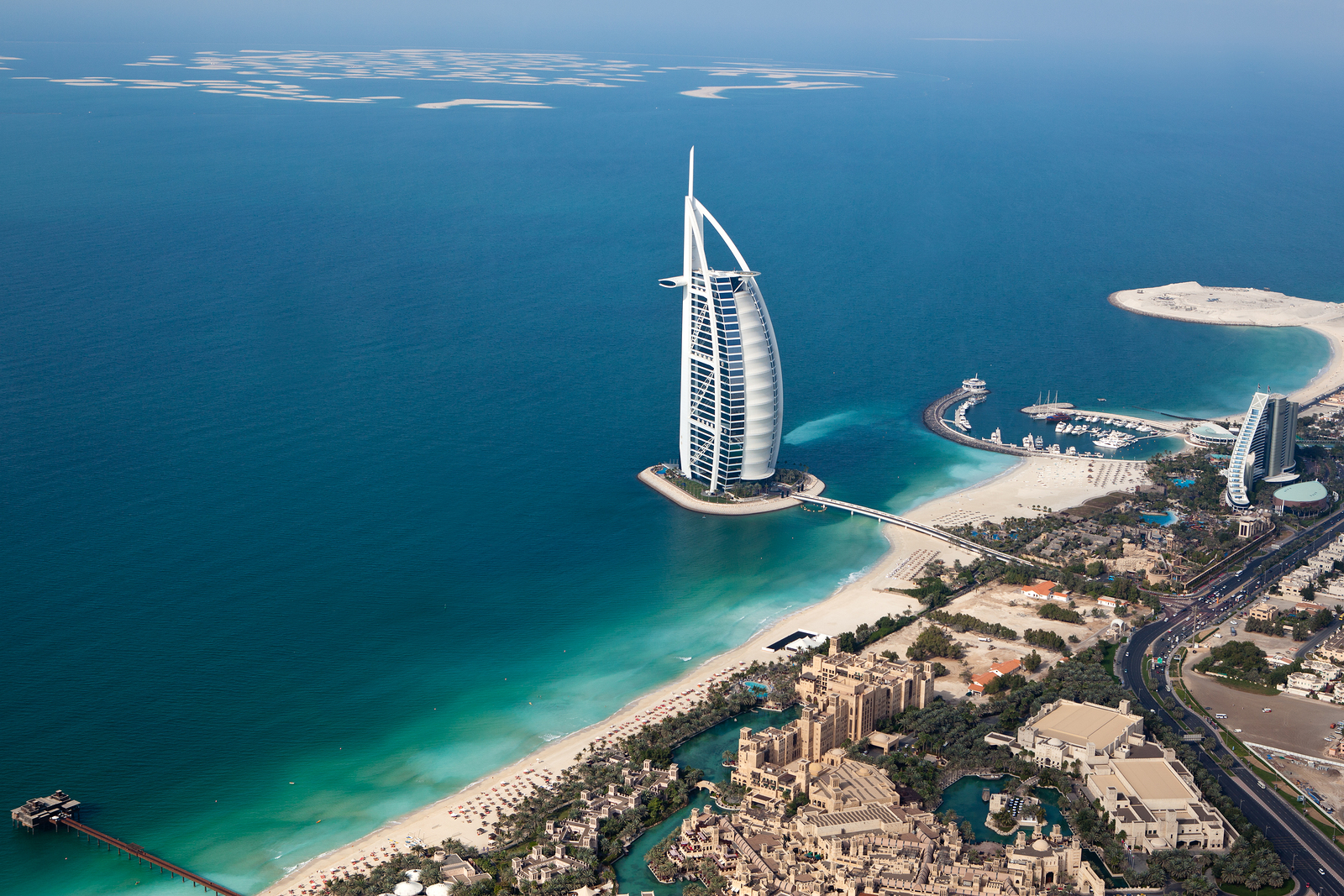
The ongoing conflict involving the United States, Israel, and Iran has sharply reduced tourism activity in Dubai, leading to steep revenue declines across restaurants, hotels, and travel-related businesses.
Hospitality operators report a sudden drop in customer traffic, with some restaurants seeing revenues fall by more than half, while tourism-dependent outlets face declines of up to 80%.
Restaurants And Businesses Face Sharp Declines
Natasha Sideris, founder of the Tashas restaurant group, said her business has been significantly affected. Her company operates 14 outlets and employs more than 1,000 staff, but falling demand has forced salary cuts of 30% across the organisation.
Other operators report similar pressures. One restaurant executive said footfall has dropped to 15–20% of normal levels, leading to temporary closures and staff being placed on unpaid leave.
The downturn extends across Dubai’s wider hospitality ecosystem, affecting hotels, travel agencies, and transport providers.
Tourism Disruption And Security Concerns
Dubai, which welcomed 19.59 million international visitors last year, has seen a sharp decline in arrivals since the conflict began on 28 February.
The United Arab Emirates has faced repeated missile and drone attacks, with authorities reporting more than 2,400 projectiles launched toward the country. While over 90% were intercepted, debris has landed in areas including hotels and residential zones.
Images of damage, including debris striking the Fairmont The Palm, have circulated widely, contributing to reduced traveller confidence.
The attacks have resulted in 11 deaths and more than 185 injuries across the UAE, according to officials.
Air Travel And Hotel Occupancy Impact
Air travel disruptions have compounded the downturn. Thousands of flights have been cancelled, and Dubai International Airport, the world’s busiest for international passengers, has operated at reduced capacity.
Hotel occupancy rates fell to between 15% and 20% of typical levels in the weeks following the outbreak, according to travel firm Wego. Some properties reported single-digit occupancy rates.
Hotels have introduced price reductions of up to 50%, particularly in high-end areas such as Palm Jumeirah, to attract local customers.
Economic Impact And Workforce Effects
The downturn has affected short-term rental markets, with data from AirDNA indicating more than 226,500 booking cancellations across the UAE between late February and late March.
Migrant workers, who form a significant portion of the hospitality workforce, have been particularly affected. Many have seen reduced hours or unpaid leave, with some facing potential job losses.
Industry participants said the situation resembles conditions during the Covid-19 pandemic, when tourism activity declined sharply.
Regional And Long Term Outlook
Research from Tourism Economics, part of Oxford Economics, estimates that the Middle East could see 23 million to 38 million fewer travellers this year, with potential losses of $34 billion to $56 billion in visitor spending.
Dubai has announced a $272.26 million support package for businesses, including deferred tourism-related fees for hotels. Authorities are also preparing recovery plans, including promotional campaigns, once conditions stabilise.
Business owners said the recovery timeline will depend on the duration of the conflict, with some estimating a rebound could begin later in the year if conditions improve, while a prolonged conflict may extend the downturn into the following year.
Featured image credits: Wikipedia
For more stories like it, click the +Follow button at the top of this page to follow us.