

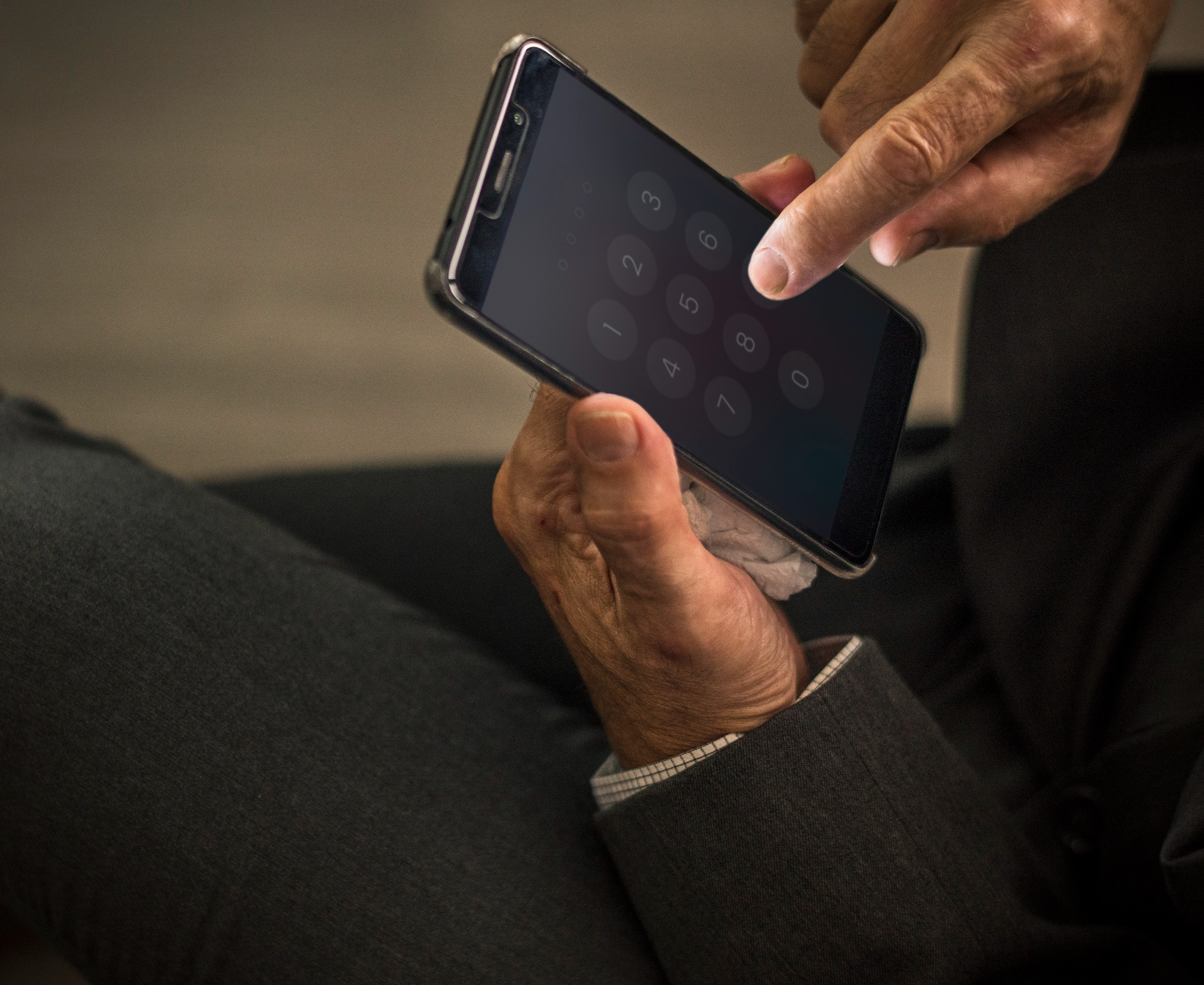
US prosecutors have charged an Atlanta man with allegedly providing border officers a passcode that erased his phone during an airport inspection. Security specialists believe it may be the first known federal prosecution involving a phone’s built-in duress password feature.
Samuel Tunick has pleaded not guilty to one count of destroying property to prevent its seizure. His lawyers are asking a federal court to suppress evidence from the incident, arguing that Customs and Border Protection unlawfully detained him and seized his device.
Passcode Allegedly Triggered Device Wipe
The case began when Tunick returned to Hartsfield-Jackson Atlanta International Airport on January 24, 2025. Border officers took him to a secondary inspection area and repeatedly asked him to unlock his Google Pixel phone, according to his defence filing.
After Tunick provided a passcode, officers said the screen went blank, flashed several times and appeared to restart. Prosecutors allege that the code caused the phone’s digital contents to be deleted before authorities seized it.
Tunick’s phone was running GrapheneOS, a privacy-focused Android operating system. Its official documentation states that users can configure a duress PIN or password that irreversibly wipes the device and its installed eSIMs when entered where device credentials are requested.
Federal prosecutors charged Tunick under a statute that prohibits knowingly destroying or damaging property to prevent authorities from seizing it. His attorneys said use of the provision in these circumstances is extremely rare.
Defence Challenges Border Search
Tunick’s lawyers argue that officers denied several requests for an attorney and did not explain his legal rights. They also allege that authorities presented the inspection as a search for child exploitation material while actually investigating his association with Defend the Atlanta Forest, a movement opposing Atlanta’s police training facility.
The federal government generally has wider search authority at international borders and airports than it does inside the country. However, courts continue to examine when more intrusive searches of phones require reasonable suspicion or a warrant.
Digital security experts said they were unaware of an earlier US case involving criminal charges for activating a duress password. They warned that the prosecution could affect journalists, activists and other travellers who use security features to protect sensitive information.
The US District Court for the Northern District of Georgia is expected to rule later this year on Tunick’s request to exclude the evidence. The Justice Department declined to comment on the pending case.
Featured image credits: Magnific.com
For more stories like it, click the +Follow button at the top of this page to follow us.