

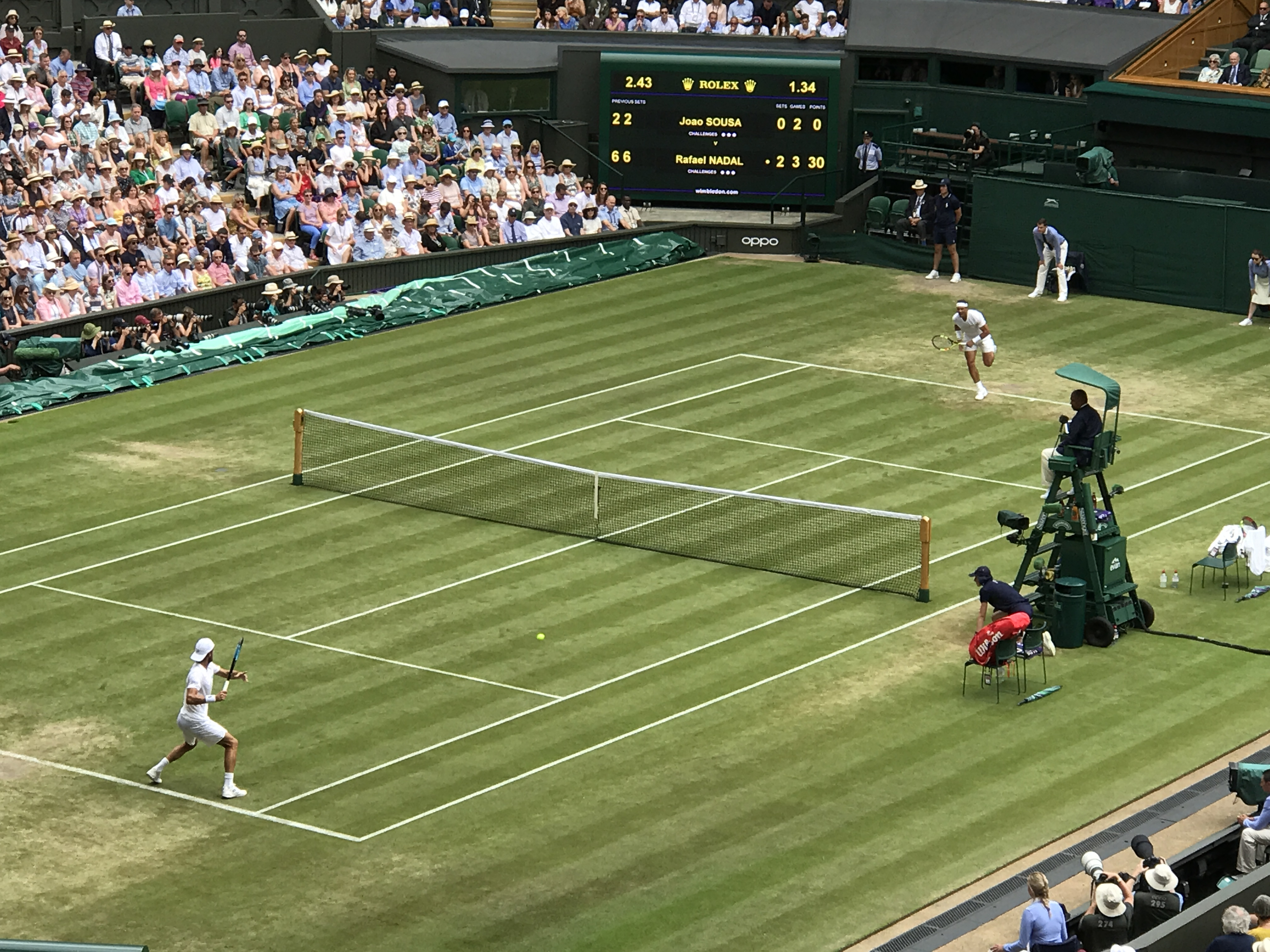
Wimbledon’s strawberries and cream are prepared through a daily supply chain that begins at a family farm in Kent and ends at kiosks across the All England Lawn Tennis Club. The tournament receives several tons of strawberries each year from Hugh Lowe Farms in Mereworth, which has supplied the event for decades.
The fruit is closely associated with the Grand Slam, both for fans and players. World number one Aryna Sabalenka told the BBC she was “addicted” to the strawberries and could not stop eating them.
Amelia McLean, part of the fifth generation working at Hugh Lowe Farms, said the farm is conscious of maintaining the quality of what she described as one of the most photographed berries in the world. She said growing conditions in 2026 had helped the fruit ripen well, although recent hot weather also created challenges.
Farmers Adjust to Hotter Weather
McLean said the farm has had to prepare for more frequent heat events. What was previously considered a once-in-10-years heat event is now closer to once every three years, she said.
The farm installed a new reservoir in 2025 and collects water runoff from its polytunnels to help manage dry periods. McLean said farmers growing similar crops are increasingly looking at water storage as part of their planning.
Once picked, the strawberries are dispatched daily to London throughout the tournament. They arrive at Wimbledon early in the morning before being moved through the venue’s food operation.
Ryan Stanton, Wimbledon’s culinary purchasing manager, said the tournament receives about 15 to 16 pallets of strawberries a day. His team then distributes them around the grounds, with much of the supply going to the Strawberry Centre.
Strawberries Are Hulled by Hand
Before the berries are sold, workers remove their leafy tops by hand in a process known as hulling. The aim is to remove the green part while keeping as much of the fruit intact as possible.
Emily Ostrowska began working as a strawberry huller when the tournament started on Monday. She said the team has to maintain a steady rhythm to keep up with demand.
After hulling, the strawberries are boxed and sent to kiosks around the grounds. From there, they are served to tennis fans as one of Wimbledon’s best-known traditions.
Ostrowska said she enjoys the work and likes strawberries, although she admitted that two weeks of handling them might change that.
Featured image credits: Wikimedia Commons
For more stories like it, click the +Follow button at the top of this page to follow us.