

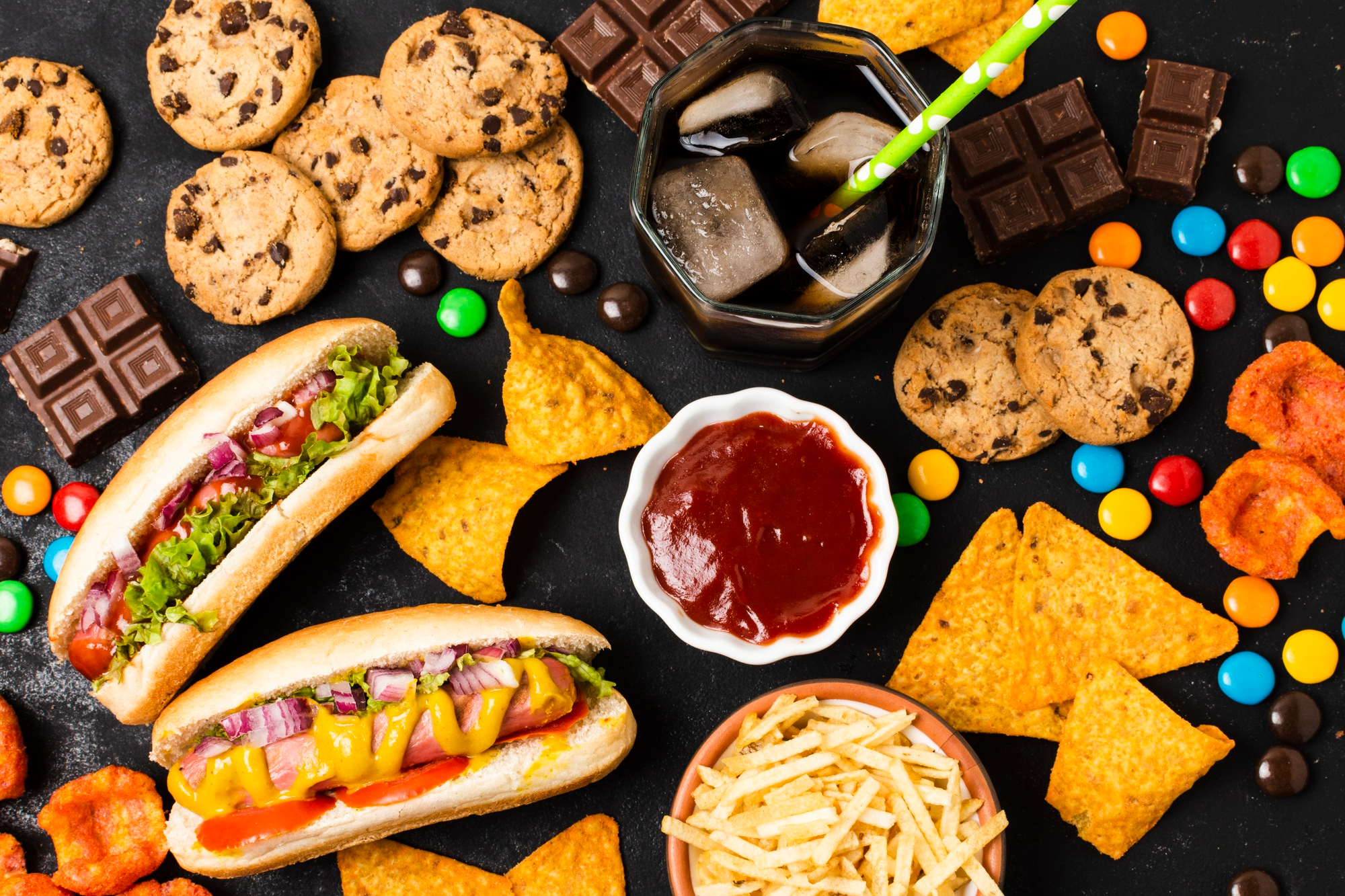
San Francisco has sued ten major food and beverage companies, accusing them of knowingly producing and marketing ultra-processed foods that the city says are linked to rising rates of serious diseases, while shifting public health costs onto local governments.
Lawsuit targets major food and beverage brands
The lawsuit was filed on Tuesday in San Francisco Superior Court. The city named several major manufacturers as defendants, including Kraft Heinz, Mondelez, and Coca-Cola. City officials said the companies intentionally marketed unhealthy and addictive products in violation of California laws governing public nuisance and unfair competition.
The companies named in the lawsuit did not immediately respond to requests for comment. The products cited in the complaint include a wide range of packaged foods such as cookies, sweets, cereals, and granola bars.
“This case is about food products with hidden health harms,” the complaint states.
City compares tactics to tobacco industry practices
San Francisco officials said the companies’ conduct mirrors strategies once used by tobacco companies. The city argued that local governments are now required to absorb the financial burden of growing public health costs tied to diet-related illnesses.
“These companies engineered a public health crisis, they profited handsomely, and now they need to take responsibility for the harm they have caused,” said San Francisco City Attorney David Chiu in a statement.
The city is seeking monetary penalties and a statewide court order that would compel the companies to change what it described as deceptive marketing practices.
Industry group disputes scientific definition
Sarah Gallo, senior vice president of product policy at the Consumer Brands Association, said there is no agreed-upon scientific definition of ultra-processed foods.
“Attempting to classify foods as unhealthy simply because they are processed, or demonizing food by ignoring its full nutrient content, misleads consumers and exacerbates health disparities,” Gallo said in a statement.
She added that food and beverage manufacturers are developing new products with higher levels of protein and fibre, reduced sugar and sodium, and without synthetic colour additives.
Health impact claims outlined in the complaint
The lawsuit argues that the expanding availability of ultra-processed foods has coincided with a “dramatic increase” in obesity, diabetes, heart disease, cancer, and other chronic illnesses. City officials contend that the marketing of these products has contributed to long-term public health harm across California.
The filing describes the legal action as one of the first lawsuits of its kind brought by a government entity over the intentional marketing of ultra-processed foods.
Political backdrop and federal policy actions
Concern over ultra-processed foods has drawn support from some left-leaning officials and from the Trump administration, despite broad policy differences in other areas. In April, US Health Secretary Robert F Kennedy Jr announced that the United States would ban eight commonly used artificial food dyes.
Kennedy and his Make America Healthy Again movement have called on food companies to eliminate ingredients such as corn syrup, seed oils, and artificial dyes, which they link to various health problems.
Following President Trump’s return to the White House, some companies have announced product changes. Coca-Cola this summer said it would switch to real cane sugar in its drinks sold in the United States.
Related legal action elsewhere
The San Francisco lawsuit follows a separate legal case filed this year in Pennsylvania by an individual who claimed ultra-processed foods contributed to his diabetes and liver disease. A judge dismissed that complaint.
Featured image credits: Freepik
For more stories like it, click the +Follow button at the top of this page to follow us.