

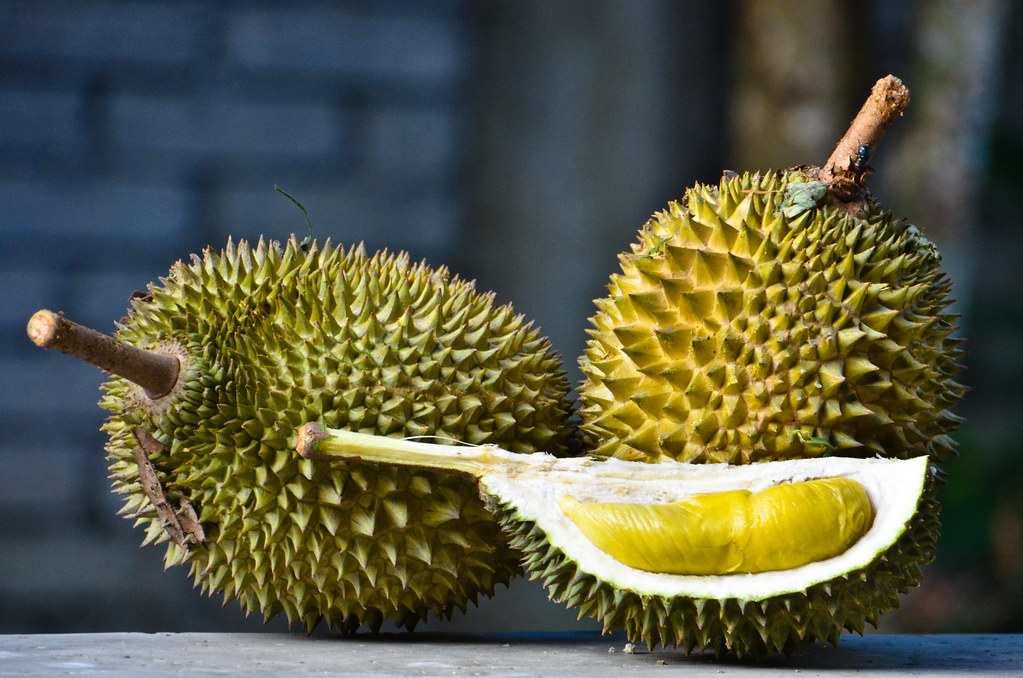
Raub, a small town in Malaysia once known for gold mining, has become a focal point of the global durian trade as China’s rising demand for the fruit drives exports, lifts prices, and reshapes farming across South East Asia.
The Musang King durian dominates Raub’s identity, from murals and roadside signs to a large spiked sculpture that greets visitors entering the town. The variety, known for its buttery and bittersweet taste, has been branded by Chinese consumers as the “Hermès of durians,” a reference to its premium status and high prices. Trucks carrying the fruit now wind through Raub’s mountain roads, leaving behind a faint smell that reflects the scale of the trade.
China imported a record $7bn, or £5.2bn, worth of durians in 2024, which was three times the amount it imported in 2020. More than 90 percent of the world’s durian exports now go to China, according to the figures cited. Chee Seng Wong, factory manager at Fresco Green, a durian exporter in Raub, said even a small share of Chinese consumers is enough to support a large market. He recalled how, during the 1990s economic downturn, farmers cut down durian trees to plant oil palms, Malaysia’s main cash crop at the time. He said the trend has since reversed, with oil palms now being removed to make room for durian orchards.
Durian’s strong smell has long divided opinion. The fruit has been banned on some public transport systems and in certain hotels, and it has been blamed for gas leak scares and even for grounding a plane after passengers complained about the odor from cargo. Despite that reputation, it has found a growing audience in China, where it is sold as an exotic luxury gift, used in social media posts, and turned into products such as durian chicken hotpot and durian pizza.
Thailand and Vietnam remain China’s main durian suppliers, together accounting for nearly all imports. Malaysia’s share is smaller but growing, driven by demand for premium varieties such as Musang King. While the average durian in South East Asia can cost less than $2, or £1.4, premium fruits can sell for between $14 and $100, or £10 to £74, depending on quality and season.
Xu Xin, a 33 year old durian seller from northeastern China, said her first experience with Malaysian durians convinced her to import them. She was in Raub with two exporters from southern China who said business has been strong and that demand continues to grow because many people have yet to try the fruit. Nearby, Chinese tour groups sampled durians arranged from mild to rich, a local tasting order that is meant to reveal flavors such as caramel, custard, and a bitter finish associated with Musang King.
Uncle Thing, whose full name is Lu Yuee Thing, owns several farms and a durian shop in Raub. He is among the farmers who have benefited from the trade, with family members helping in transport and accounting. He said durians have contributed heavily to the local economy, pointing to the newer pickup trucks he now uses to move his produce. At 72, he still collects ripe fruit each morning, moving through hilly terrain where durians fall onto nets or hang from branches. He said farming remains physically demanding, noting a shoulder injury caused by a falling fruit.
At his shop, durians are sorted into grades, with a separate basket reserved for the highest quality fruit, which is shipped to China. These premium exports sit at the center of a broader trade effort by Beijing, which has signed durian agreements with Thailand, Vietnam, Malaysia, and newer suppliers including Cambodia, Indonesia, the Philippines, and Laos. Chinese state media in 2024 described the competition as one where all participants benefit. The China Laos Railway, opened in 2021, now moves more than 2,000 tonnes of fruit each day, most of it Thai durian.
The rapid growth has brought challenges. Chinese authorities last year raised food safety concerns over Thai durians after finding a carcinogenic dye believed to enhance their color. In Vietnam, farmers switching from coffee to durians have helped push up global coffee prices, which were already affected by weather. In Raub, Malaysian authorities cut down thousands of durian trees they said were planted illegally on state land. Farmers said they had used the land for decades and now face eviction or lease payments.
China is also developing its own durian industry in Hainan, where the 2025 harvest was expected to reach 2,000 tonnes. State media has framed the effort as a step toward what it calls “durian freedom,” meaning less reliance on imports. Hainan’s first home grown durians entered the market in 2023 but made up less than 1 percent of China’s total consumption that year.
Uncle Thing said Hainan’s progress could affect Malaysian exports if China reduces imports, but for now he is focused on maintaining yields. In Raub, many farmers dismiss the idea that Chinese grown durians can rival Malaysian varieties, even as China continues to invest in domestic production.
Featured image credits: Dr.13 Photography via Flickr
For more stories like it, click the +Follow button at the top of this page to follow us.