

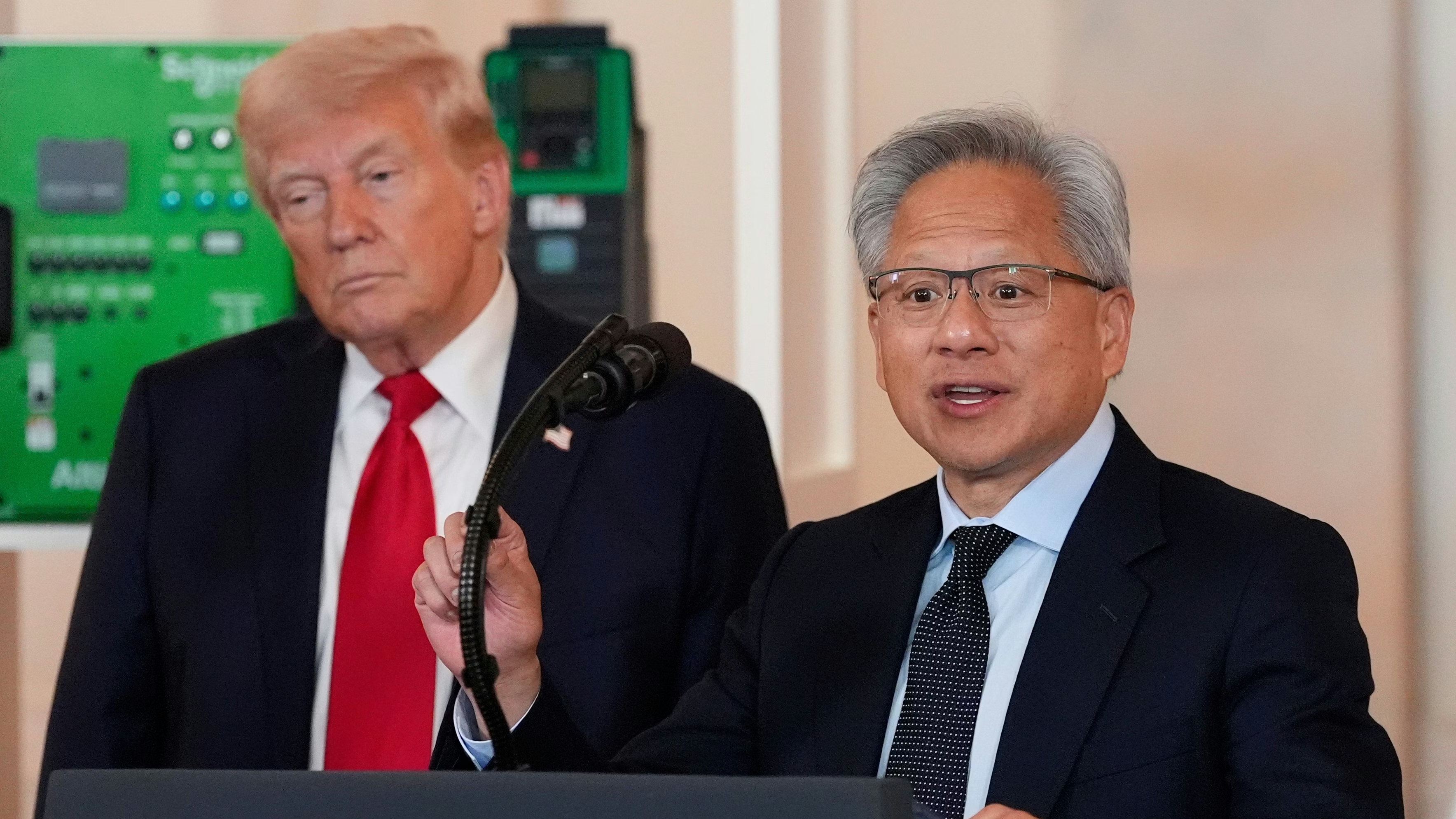
The US government has approved Nvidia to resume sales of some advanced artificial intelligence processors to China, easing earlier restrictions while imposing new conditions tied to supply levels, security safeguards, and revenue sharing.
Export Approval And Scope
The Department of Commerce said on Tuesday that Nvidia can ship its H200 processors to China provided there is sufficient supply available in the United States. The H200 is Nvidia’s second most advanced AI chip and had previously been restricted over concerns that it could strengthen China’s technology sector and military capabilities.
The Commerce Department’s Bureau of Industry and Security said the revised export policy applies to the H200 as well as less advanced processors. Chinese customers must demonstrate adequate security procedures and confirm that the chips will not be used for military purposes. Nvidia’s most advanced Blackwell processor remains prohibited from sale in China.
Government And Company Responses
President Donald Trump said last month that chip sales to China would be permitted for “approved customers” and would be subject to a 25% fee paid to the US government. Nvidia said it welcomed the decision, with a company spokesperson telling the BBC that the move would support manufacturing activity and jobs in the United States.
Chinese embassy spokesman Liu Pengyu said Beijing opposed what it described as the politicisation of technology and trade. He said restrictions on China disrupt global industrial and supply chains and do not serve the interests of either country.
Geopolitical And Industry Context
Nvidia has been at the center of ongoing tensions between Washington and Beijing as both countries compete in AI development. Trump reversed earlier chip export restrictions last July but required Nvidia to share a portion of its China related revenue with the US government. Following that decision, Beijing reportedly directed domestic technology firms to reduce reliance on Nvidia and prioritise locally produced semiconductors.
Throughout 2025, Nvidia chief executive Jensen Huang lobbied US officials to allow renewed sales to China, arguing that access to global markets is important for US competitiveness. Some US officials have continued to warn that advanced chips could benefit China’s military and slow American progress in AI.
Market Impact And Analyst Views
Semiconductor analyst Austin Lyons said Chinese firms are likely to seek access to H200 chips while domestic alternatives continue to lag behind US technology. He added that Nvidia would benefit from restoring revenue from China even if margins are reduced by the US government’s fee.
Marc Einstein of Counterpoint Research said Trump’s proposal to collect a share of Nvidia’s China sales is unusual and could influence future tariff negotiations in other sectors.
Featured image credits: Heute.at
For more stories like it, click the +Follow button at the top of this page to follow us.