

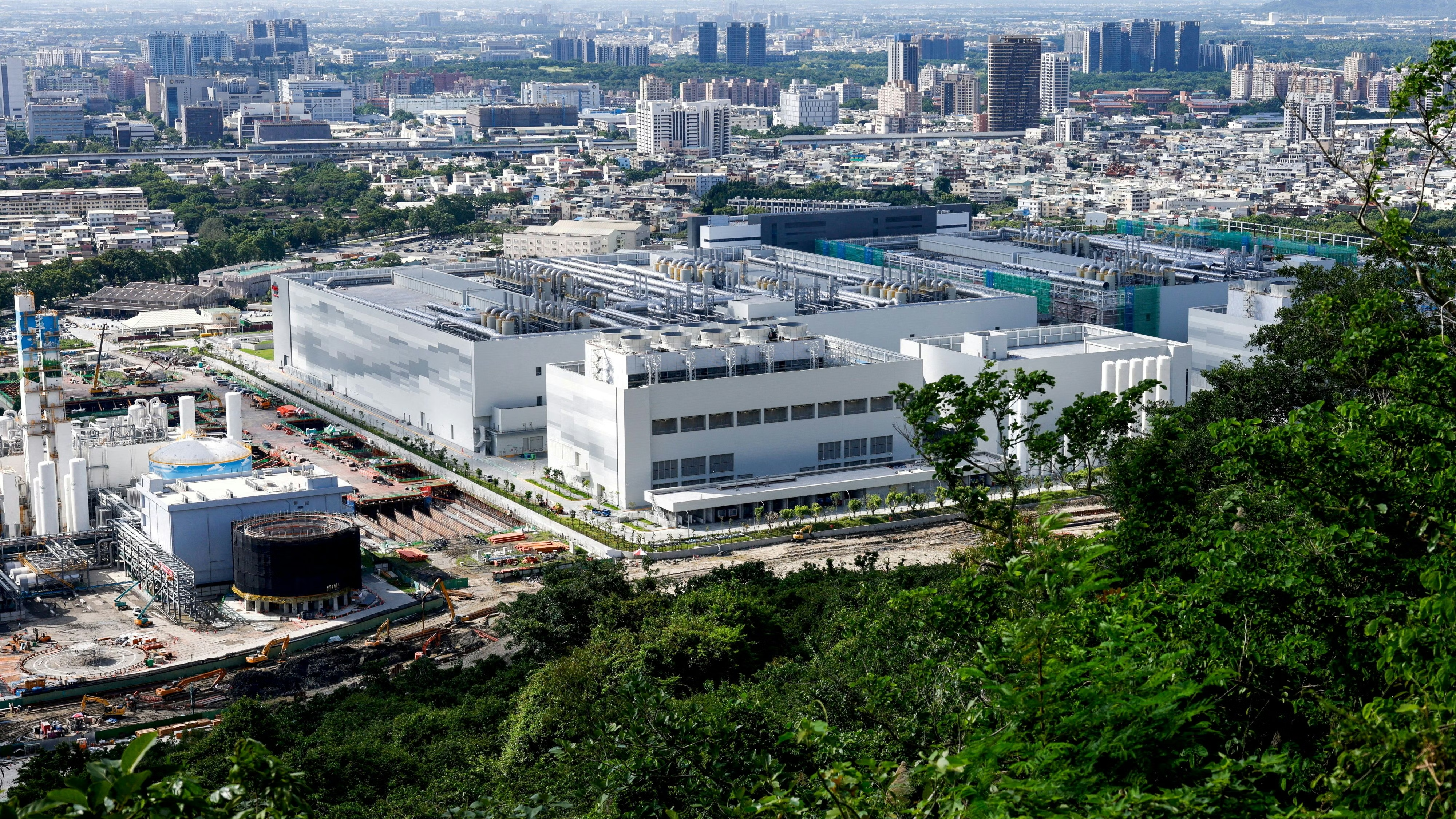
The United States has agreed to reduce tariffs on goods from Taiwan to 15% after securing commitments for large-scale investment aimed at expanding domestic semiconductor production. The agreement links lower trade barriers to new capital spending by Taiwanese technology firms, as Washington continues to prioritise chip manufacturing capacity following supply disruptions during the Covid-19 pandemic.
The US Commerce Department said Taiwan’s semiconductor and technology companies had committed to at least $250bn (£187bn) in new direct investments in the United States. The deal also includes tariff carve-outs for Taiwanese semiconductor firms that invest in US-based operations.
Investment Commitments And Trade Terms
Under the agreement, Taiwanese companies will channel hundreds of billions of dollars into projects designed to increase US chip production. In addition to corporate investments, the Taiwanese government will provide a further $250bn in financing to support companies participating in the initiative, according to the Commerce Department.
The tariff reduction is tied directly to these investment commitments and applies to goods imported from Taiwan. The carve-outs are intended to reduce costs for semiconductor manufacturers that expand or relocate production to the United States.
US Policy Focus On Chip Manufacturing
Expanding domestic semiconductor output has been a key objective for the United States since global chip shortages disrupted industries ranging from automotive manufacturing to consumer electronics. Those shortages highlighted the risks of concentrated supply chains and reliance on overseas production.
In an interview on CNBC, Commerce Secretary Howard Lutnick said the agreement would support US efforts to become self-sufficient in semiconductor production.
Role Of TSMC And Existing US Investment
The US government has already committed hundreds of billions of dollars in subsidies to attract semiconductor investment, helping to expand the US footprint of TSMC, the dominant global contract chipmaker.
In its earnings update on Thursday, TSMC said it was accelerating its investments in the United States, where it opened a manufacturing plant in 2024. The Arizona facility produces chips for major American technology firms including Nvidia, Apple, and AMD.
The plant was built with the support of $40bn in US government subsidies approved during the Biden administration.
Supply Chain Expansion Goals
Lutnick said the latest trade arrangement could encourage TSMC to expand further in the US and was designed to strengthen the wider semiconductor supply chain. He said the policy aims to persuade smaller firms that support chip manufacturing to relocate operations to the United States alongside larger producers.
The Commerce Department said the combination of corporate investment, government financing from Taiwan, and tariff relief is intended to reinforce domestic production capacity while reducing exposure to external supply risks.
Featured image credits: Heute.at
For more stories like it, click the +Follow button at the top of this page to follow us.