

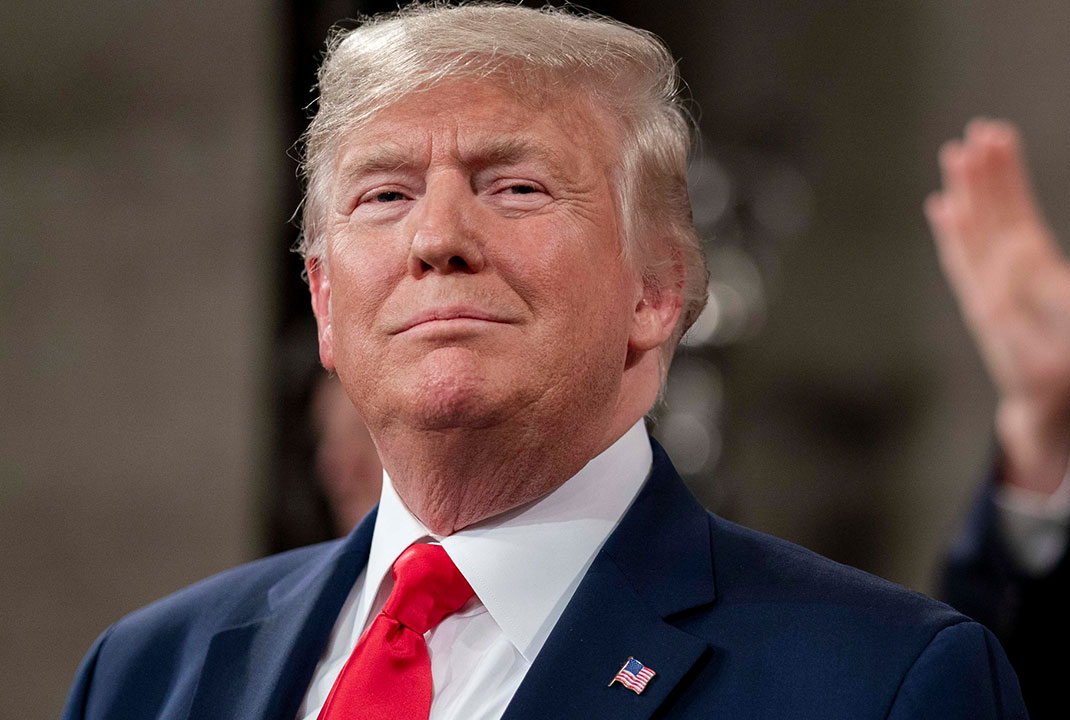
U.S. President Donald Trump has announced a sharp increase in tariffs on South Korean imports, raising levies to 25% after accusing Seoul of failing to follow through on a trade agreement reached last year.
Tariff Increase Announced On Social Media
Donald Trump said in a social media post that the United States would raise tariffs on South Korean goods from 15% to 25%. The higher tariffs apply across a broad range of products, including automobiles, lumber, pharmaceuticals, and what Trump described as “all other Reciprocal TARIFFS.”
Trump said South Korean lawmakers had been slow to approve the agreement, while the United States had already reduced its own tariffs “in line with the Transaction agreed to.”
South Korea Seeks Urgent Talks
South Korea said it had not received official notice of the tariff increase and called for urgent discussions with Washington. The government said its Industry Minister, Kim Jung-kwan, would travel to Washington as soon as possible to meet with U.S. Commerce Secretary Howard Lutnick.
South Korean officials said Kim was currently in Canada and would head to the U.S. following that trip.
Market Reaction In Seoul
South Korea’s benchmark KOSPI fell in early trading on Tuesday after the announcement. The index later recovered and was trading about 1.8% higher as shares of major export-focused companies rebounded.
Background Of The Trade Agreement
Seoul and Washington reached a trade agreement in October last year that included a pledge by South Korea to invest $350 billion in the United States. Part of that investment was earmarked for shipbuilding.
In November, the two countries agreed that the U.S. would lower tariffs on certain products once South Korea began the process of approving the deal. The agreement was submitted to South Korea’s National Assembly on November 26 and remains under review. Local media reports have said it is likely to be passed in February.
How Tariffs Affect Trade
Tariffs are paid by companies that import goods. Under the new policy, U.S. firms importing products from South Korea will pay a 25% tax on those goods, increasing costs for American buyers.
Broader Use Of Tariffs By Trump
Trump has repeatedly used tariffs as a foreign policy tool during his second term. Over the weekend, he threatened Canada with a 100% tariff if it pursued a trade deal with China.
On Monday, Chinese officials said a “strategic partnership” agreement with Canada was not intended to undermine other countries. Canadian Prime Minister Mark Carney said Canada was not pursuing a free trade deal with China and had never considered doing so.
Earlier, Trump said he would impose import taxes on eight countries, including the UK, that opposed U.S. plans related to Greenland, an autonomous territory within the Kingdom of Denmark and a member of Nato. He later withdrew the tariff threat after citing progress toward a future agreement, though the episode strained relations with Denmark and other Nato allies.
Featured image credits: rawpixel
For more stories like it, click the +Follow button at the top of this page to follow us.