

Court Testimony And Case Scope
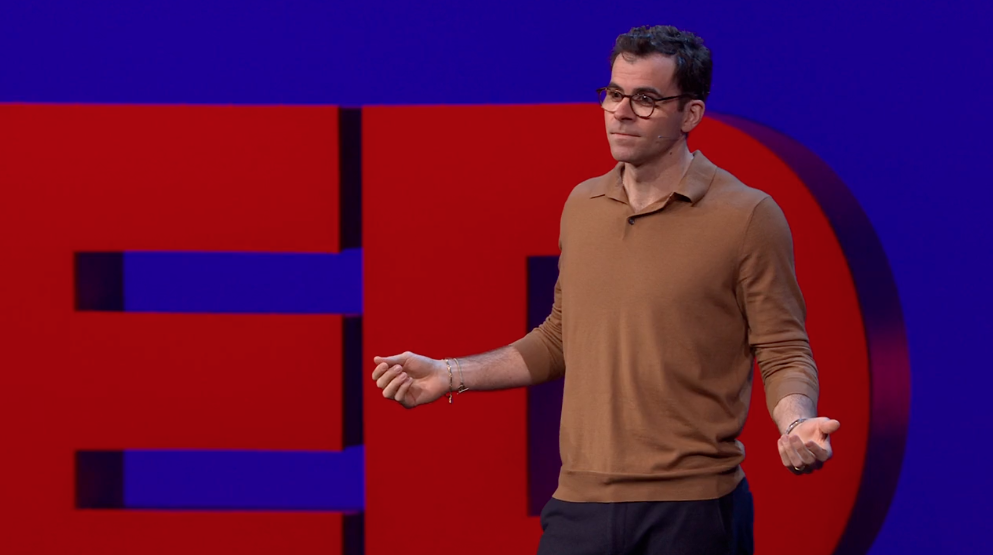
The head of Instagram told a California court that it is not possible to define a single level of use that is harmful for everyone, arguing that what looks excessive for one person could be normal for another. Adam Mosseri, who has led Instagram for eight years, testified in a trial that began this week and is expected to run for six weeks, making him the first senior executive to appear. The case is seen as a test of legal arguments that seek to hold technology companies responsible for the effects of their products on young people.
The lawsuit names Meta, which owns Instagram, and also includes YouTube as a defendant. Snapchat and TikTok reached settlements before the trial began. Lawyers for Meta have argued that the lead plaintiff, identified by the initials K.G.M., was harmed by factors in her life rather than by Instagram.
Mosseri’s Position On Usage And Safety
Early in his testimony, Mosseri agreed with a point made by Mark Lanier, the lead attorney for K.G.M., that Instagram should do everything within its power to keep users safe, especially young people. He said, however, that he did not believe it was possible to set a universal threshold for how much Instagram use is too much.
He told the court that whether use becomes a problem is personal and said one person could use Instagram more than another and still feel fine. He added that it is important to distinguish between clinical addiction and what he called problematic use, comparing the way people say they are addicted to a television show after binge watching with medical definitions of addiction.
Questions About Image Filters And Internal Discussions
Mosseri was questioned about a 2019 email exchange among Meta executives that discussed the possible negative impact of a feature that lets users change their appearance in photos. Nick Clegg, who later served as Meta’s head of global affairs after more than a decade as a British lawmaker, raised concerns at the time that the company could be accused of prioritizing growth over responsibility and damaging its reputation.
Mosseri said Meta ultimately decided to ban image filters that went beyond mimicking makeup. After Lanier challenged that claim, Mosseri said the ban had been modified, while denying that it had been removed entirely.
Public Reaction And Broader Litigation
Outside the courthouse, Mosseri was met by a group that included onlookers, protesters, and parents who are not part of the case but say they have seen their children harmed by what they describe as social media addiction. Among them was Mariano Janin from London, who held a photo of his daughter Mia, who died by suicide in 2021 at age 14. Janin said he traveled to Los Angeles to support limits on social media use for young people and said companies have the resources to do more to protect children.
Meta and other social media companies, including YouTube, Snapchat, and TikTok, are facing thousands of related cases filed by families, state prosecutors, and school districts across the United States. Meta chief executive Mark Zuckerberg and YouTube chief executive Neal Mohan are among the executives expected to testify.
Featured image credits: Plann
For more stories like it, click the +Follow button at the top of this page to follow us.