

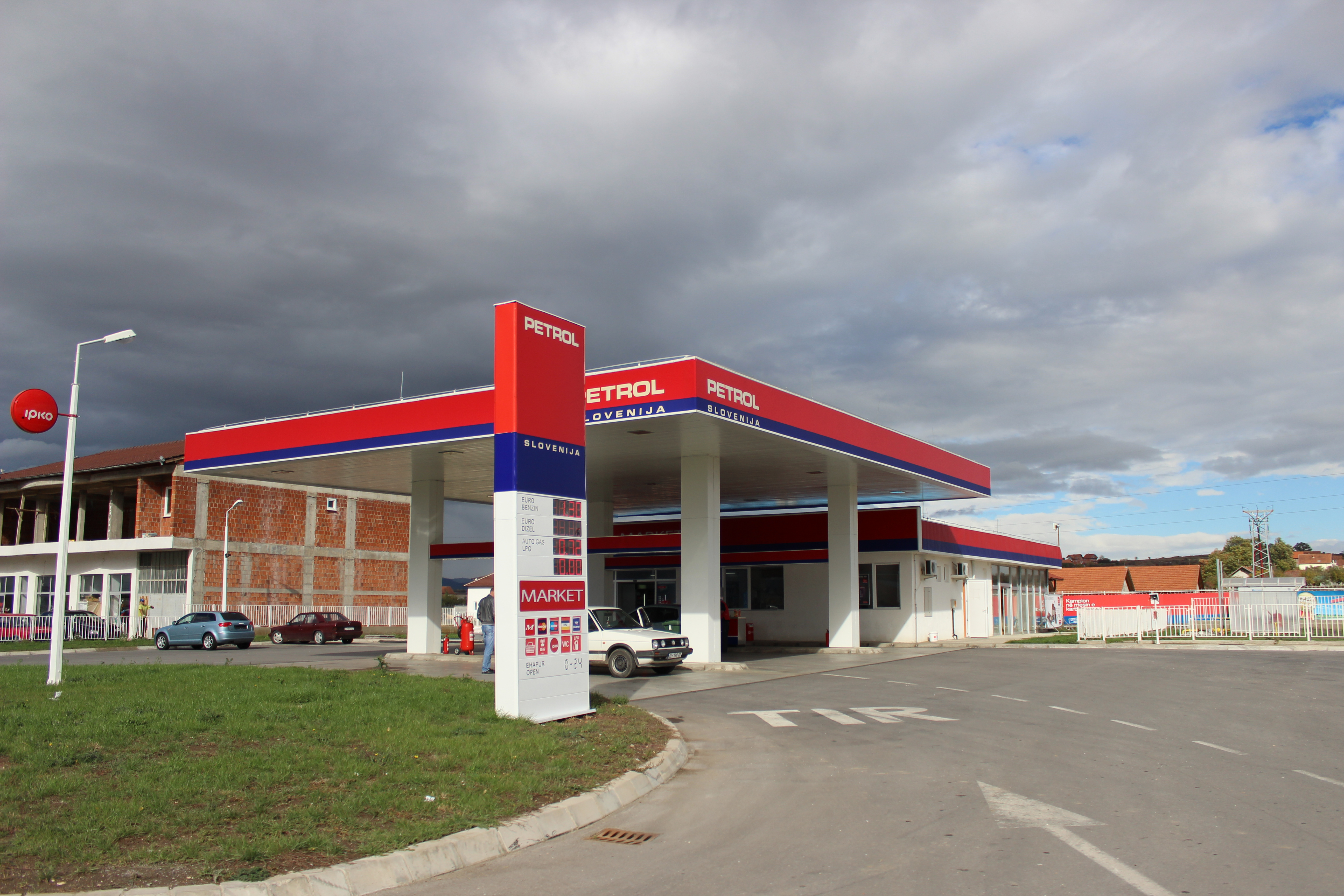
Slovenia has become the first EU member state to introduce fuel rationing in response to supply disruptions linked to the conflict involving the US, Israel, and Iran. The measures aim to manage rising demand and prevent shortages as fuel prices increase across the region.
The policy follows sharp price rises and increased cross-border demand, particularly from neighbouring Austria.
Rationing Measures And Limits
Under the new rules, private motorists in Slovenia are limited to purchasing a maximum of 50 litres of fuel per day.
Businesses and farmers are allowed up to 200 litres.
The restrictions are enforced at petrol stations, where staff are responsible for ensuring compliance.
The government has also encouraged retailers to apply stricter limits to foreign drivers.
Before the nationwide policy, some companies had already introduced their own caps.
MOL Group had implemented a 30-litre limit at its stations across the region.
Prime Minister Robert Golob said fuel supplies remain stable, stating that storage facilities are full and shortages are not expected.
Price Differences Drive Cross Border Demand
Fuel price differences between Slovenia and neighbouring countries have contributed to increased demand.
In Austria, Euro-super 95 petrol is approaching €1.80 per litre, with diesel near €2.00.
In Slovenia, prices are capped at €1.47 for petrol and €1.53 for diesel, although increases are expected.
The lower prices have led to “fuel tourism,” with drivers crossing into Slovenia to refuel.
This surge in demand has contributed to longer queues and, in some cases, temporary shortages at petrol stations.
Reports from border areas described stations running out of fuel, with drivers expressing concern over the situation.
Local Impact And Mixed Reactions
The influx of foreign drivers has created mixed reactions among residents.
Some Slovenians view the increased traffic and queues as disruptive, particularly when it affects local access to fuel.
Others note that visiting drivers often spend money in nearby businesses, including restaurants and shops, providing some economic benefit.
Political Response And Public Messaging
In Austria, Herbert Kickl, leader of the Freedom Party, highlighted the situation by sharing images of Austrian vehicles queuing at Slovenian petrol stations.
He used the example to comment on domestic fuel prices and cost-of-living pressures.
The situation reflects broader regional effects of energy market disruptions following the escalation of conflict in the Middle East, with fuel pricing differences influencing cross-border behaviour.
Featured image credits: Wikimedia Commons
For more stories like it, click the +Follow button at the top of this page to follow us.