

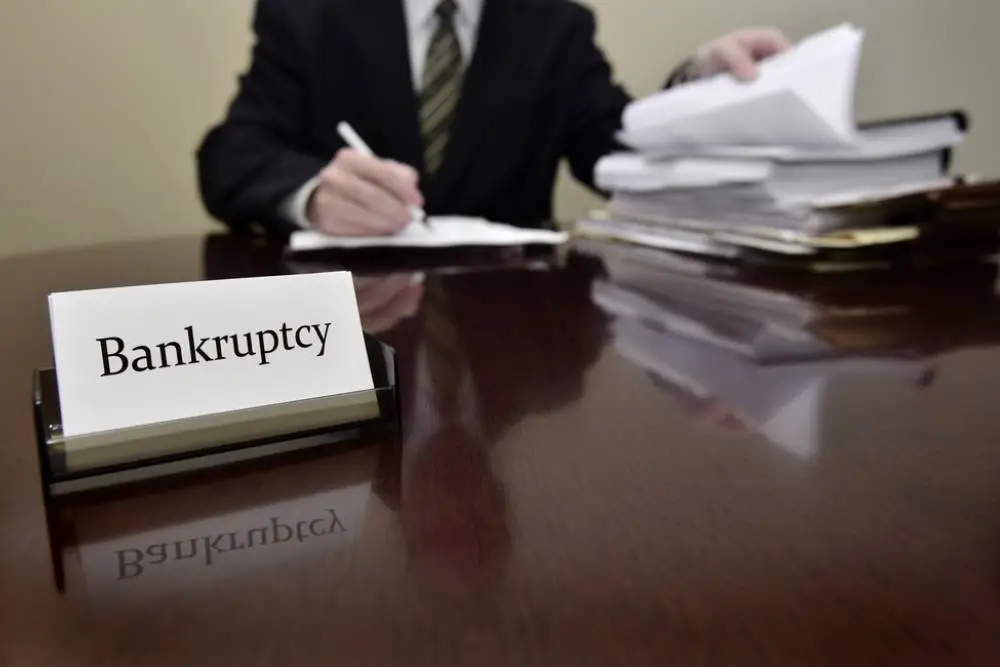
Ascend Elements has initiated Chapter 11 bankruptcy proceedings in the United States, dealing a major setback to investors who had committed nearly $900 million to the battery materials startup.
Financial Pressures Prompt Bankruptcy Filing
Chief Executive Officer Linh Austin announced the decision in a LinkedIn post late Thursday, citing “insurmountable” financial challenges. The filing reflects mounting pressures facing companies across the electric vehicle supply chain, particularly as market conditions in the United States shift.
The bankruptcy comes during a period of softening demand for electric vehicles in the U.S., which has weighed heavily on battery-related investments and production plans.
Canceled Federal Grant Compounds Funding Challenges
Ascend’s financial difficulties were likely exacerbated by the Trump administration’s decision to cancel a $316 million federal grant intended to support construction of a facility in Kentucky. Of that amount, $204 million had already been disbursed, leaving the company to secure additional funding to complete the project.
The Kentucky plant, spanning approximately 1 million square feet, has also faced lawsuits and delays, according to local reports, further complicating its development timeline.
EV Market Headwinds Impact Industry Investments
The broader EV market in the United States has encountered recent turbulence. Sales surged ahead of the expiration of tax credits in September last year but have yet to fully recover. Analysts have suggested that some buyers accelerated purchases to benefit from the incentives, dampening demand in subsequent months.
Automakers have responded by reassessing their electrification strategies. Volkswagen recently announced it would end production of the ID.4 at its Chattanooga, Tennessee, plant in favor of the gasoline-powered Atlas.
Recycling Technology Targets Critical Minerals Supply
Ascend Elements developed a process to extract critical minerals from scrap and end-of-life batteries. The company says its technology reduces the number of steps required to convert shredded battery waste into precursor materials used in new cathodes, a key component in lithium-ion batteries.
Such innovations aim to strengthen domestic supply chains for battery materials amid growing demand for electrification and energy storage solutions.
Intense Competition And Strategic Shifts Across The Sector
The battery materials industry remains highly competitive. Automakers often operate with long lead times, and technical specifications can evolve over time, adding uncertainty for suppliers. Meanwhile, Chinese manufacturers have dominated the market, supported by sustained state backing and cost advantages.
Other companies in the sector have pursued alternative strategies. Redwood Materials has pivoted toward repurposing used battery packs into grid-scale storage systems capable of powering data centers. The rapid expansion of the stationary storage market has enabled Redwood to generate near-term revenue while continuing to develop its recycling operations.
Featured image credits: Cava Law
For more stories like it, click the +Follow button at the top of this page to follow us.