

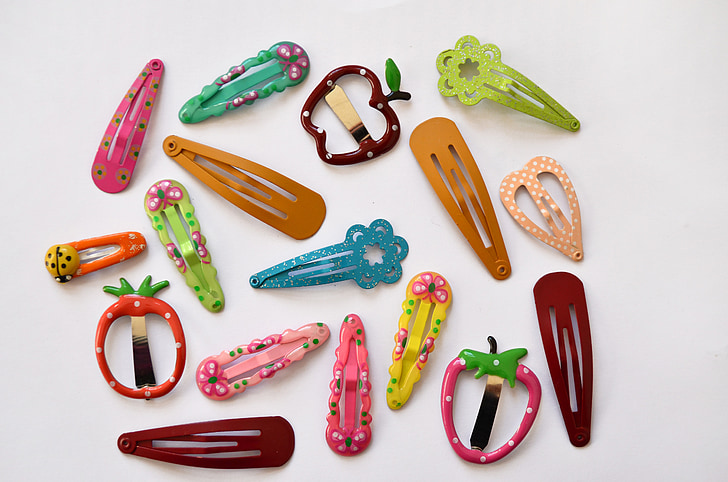
Jennie Lennick has built a profitable accessories business around food-themed hair clips, growing her brand Jenny Lemons to $2 million in annual revenue after shifting away from a struggling physical retail model.
Business Model And Product Focus
Based in San Francisco, Lennick designs colorful hair claw clips shaped like items such as strawberries, sardine tins, and vegetables. The products are made from cellulose acetate, a plant-based alternative to petroleum plastic. The brand sells directly through its website and supplies around 1,500 independent retail stores across the United States and international markets. The strawberry clip is currently the company’s best-selling item.
Origins And Early Challenges
Lennick launched the business in 2015 as a food-themed clothing line after studying art for more than six years. She later opened a retail store in San Francisco’s Mission district in 2018, combining her own designs with products from other artists. The store faced rising rent, high staffing costs, and reduced foot traffic following the pandemic, leading to its closure at the end of 2023 with $90,000 in debt.
Shift To Hair Accessories
The transition to hair accessories began in 2022 after Lennick connected with a supplier at a craft fair. She started producing food-themed hair clips through a manufacturing partner in China, and online sales of the clips quickly surpassed clothing revenue. She said the accessories effectively sustained the business during the final period of the retail store.
Design And Production Process
Lennick now operates from a home studio, where she designs products digitally and works with a long-term factory partner in China to develop prototypes. Her approach simplifies food designs into a limited color palette, often using three colors to maintain wearability. Product ideas also reflect current trends, such as increased interest in tinned fish, and seasonal themes like pumpkin spice latte designs.
Operations And Sales Structure
The company employs three full-time staff, including Lennick, her husband as operations director, and an operations manager, alongside contractors supporting logistics and marketing. A recent shipment of 31,000 units marked the company’s largest to date, handled through a fulfillment center in Missouri. Approximately 60% of revenue comes from wholesale channels, with the remainder generated through direct online sales.
Customer Base And Market Position
A customer survey indicated that most buyers are aged between 25 and 45, with around 30% working in teaching or healthcare. Some customers use the clips as accessories for professional attire. Academic observers note that the brand aligns with broader fashion trends, offering accessible entry points into food-inspired design at a moderate price, with large clips priced at $24.
Sustainability And Manufacturing Considerations
The company promotes its use of cellulose acetate as an alternative material with environmental advantages, including biodegradability under certain conditions. However, the material remains semi-synthetic due to chemical processing. Lennick said the company is working to provide more transparency regarding production standards and labor practices.
Operational Pressures And Competition
The business faces cost pressures linked to tariffs on Chinese imports, which Lennick has chosen to absorb rather than pass on to customers. She noted that increasing prices could reduce sales volume. Domestic manufacturing has not been pursued due to limited availability of suitable production facilities and higher costs.
The company also addresses product imitation. Lennick has taken legal action against retailers selling similar designs, securing a $45,000 settlement in one case, and continues to monitor online platforms for potential infringements.
Growth Plans And Future Strategy
Lennick aims to increase revenue by 30% this year. The company is in discussions with a national home goods retailer for potential distribution and has previously stocked products with Urban Outfitters. It is also expanding into brand collaborations, producing custom designs for promotional campaigns.
The company has introduced additional product categories, including hats, socks, and earrings, while avoiding a return to clothing due to complexity in sizing. Lennick said maintaining focus on food-themed designs remains central to the brand’s identity.
Featured image credits: Pickpik.com
For more stories like it, click the +Follow button at the top of this page to follow us.