

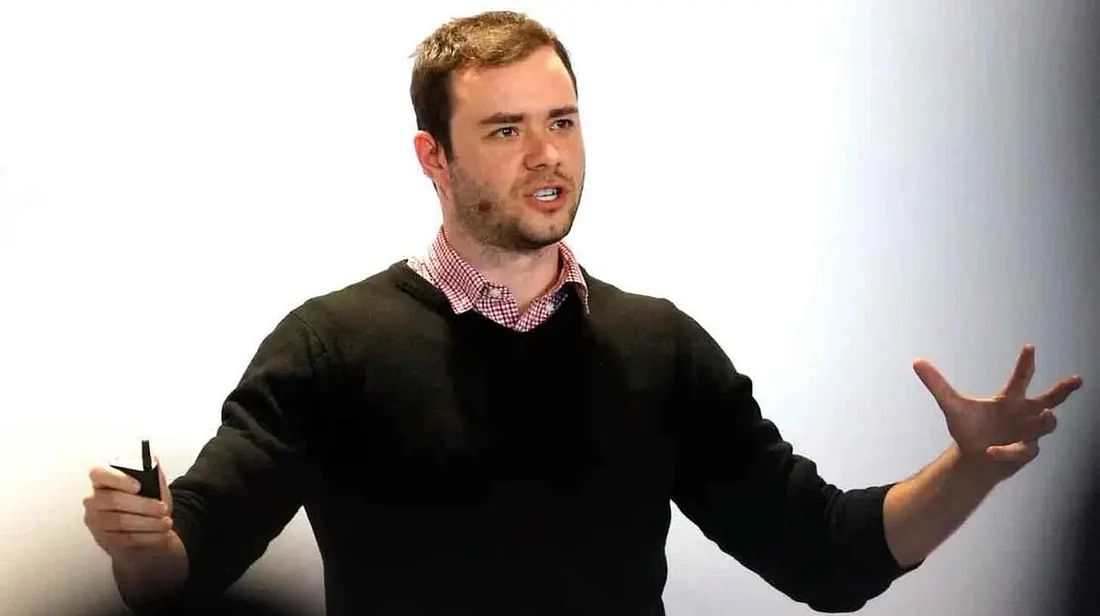
Artificial intelligence researcher Andrej Karpathy, who co-founded OpenAI and previously directed automated driving vision systems at Tesla, has joined Anthropic. Karpathy announced his appointment via the social media platform X on Tuesday, stating his intent to return to core research and development during a formative phase for large language models. The prominent scientist started his operational duties this week within Anthropic’s foundational pre-training division, reporting directly to team lead Nicholas Joseph.
Automated Pre Training Research Initiatives
Karpathy will establish and direct a specialized internal research unit focused exclusively on utilizing the Claude model ecosystem to accelerate pre-training methodologies. Pre-training represents the highly expensive, compute-intensive phase of machine learning that establishes core knowledge bases within frontier models. The corporate strategy signals that Anthropic intends to rely on artificial-intelligence-assisted research optimization rather than raw computational scaling to maintain market parity with Google and OpenAI.
Professional History And Educational Projects
Karpathy completed his doctoral studies at Stanford University under computer vision researcher Fei-Fei Li before becoming a founding research scientist at OpenAI in 2015. He exited the startup in 2017 to manage Tesla’s Autopilot and Full Self-Driving computer vision programs, returning briefly to OpenAI in 2023 for a one-year period. In July 2024, Karpathy established Eureka Labs, an educational platform dedicated to building artificial intelligence assistants for student learning environments. The researcher, who coined the developer term “vibe coding” in early 2025, indicated he remains passionate about open education and intends to resume his instruction projects in the future.
Cybersecurity Red Team Expansion
In a concurrent personnel expansion, Anthropic appointed cybersecurity veteran Chris Rohlf to its specialized frontier red team. Rohlf possesses more than twenty years of information security experience, specializing in technical vulnerability research and the automation of cyber defense systems. He previously served within Yahoo’s security division, known as “The Paranoids,” and spent six years managing defensive engineering projects at Meta before transitioning to his new role. Rohlf also operated as a research fellow at Georgetown University’s Center for Security and Emerging Technology, where he contributed to the CyberAI research project to analyze machine learning infrastructure threats.
Featured image credits: Wikimedia Commons
For more stories like it, click the +Follow button at the top of this page to follow us.