

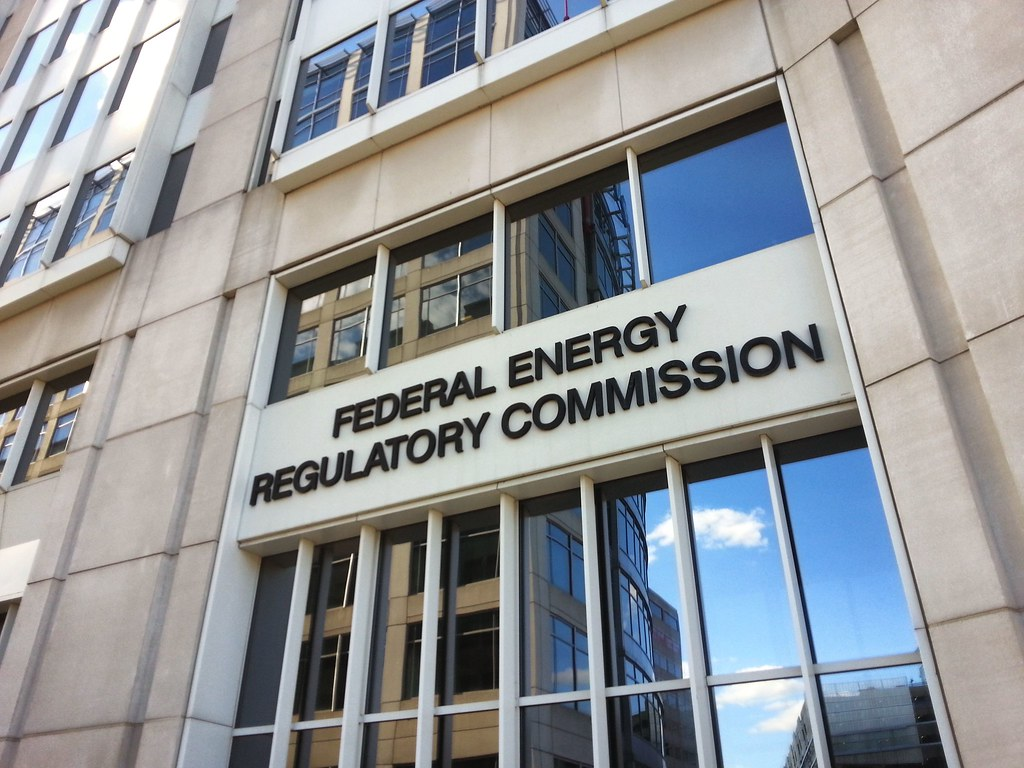
The Federal Energy Regulatory Commission has ordered six regional grid operators to justify or revise their rules for connecting data centers and other large electricity users. The commission wants these facilities to reach the transmission system faster without shifting infrastructure costs or reliability risks to existing customers.
FERC approved the six orders unanimously on June 18. Data centers will generally be responsible for paying the costs of transmission upgrades needed to support their connections.
Grid Operators Face New Reporting Deadlines
The commission gave grid operators 60 days to defend their existing tariffs or propose revised rates, terms, and connection procedures. The orders cover several areas, including interconnection studies, cost allocation, load flexibility, and the use of on-site generation.
Within 30 days, the operators must also report how much surplus generating capacity is available in their regions. FERC said the information would help determine whether additional large electricity users could connect without creating reliability problems.
The commission outlined the requirements in its official announcement. The six operators cover most of the United States but exclude Texas, which manages its main grid through a separate state-regulated system.
FERC also directed operators to consider alternative transmission technologies that could increase grid capacity or reduce connection times. The commission did not identify specific products, but such systems could include advanced conductors, solid-state transformers, and superconducting transmission lines.
On-Site Power Could Support Faster Connections
Data centers that use behind-the-meter generation may receive more flexible treatment under the orders. These facilities can produce some or all of their own electricity and reduce their reliance on the wider grid during periods of high demand.
FERC also supports non-firm transmission arrangements for customers willing to reduce their electricity use when the grid is under pressure. Such agreements could allow projects to connect before every planned network upgrade is completed.
The orders do not directly solve the shortage of power generation. At the end of 2023, proposed generating projects waiting for grid connections represented more capacity than the country’s existing power plant fleet, according to Lawrence Berkeley National Laboratory.
Data center electricity consumption is expected to rise sharply as companies build more cloud and AI infrastructure. The International Energy Agency expects global data center electricity demand to more than double by 2030.
Offshore Wind Projects Face Separate Cancellations
The FERC action came one day after the Trump administration agreed to reimburse Invenergy $765 million for ending four offshore wind leases near New York, Maine, and California. Invenergy plans to redirect the money toward natural gas plants in the Midwest and geothermal developments in the western United States.
The agreement increased the administration’s total spending on offshore wind lease cancellations to about $2.6 billion. One discontinued project had been planned to generate up to 2.4 gigawatts of electricity.
Featured image credits: Ryan McKnight via Flickr
For more stories like it, click the +Follow button at the top of this page to follow us.