

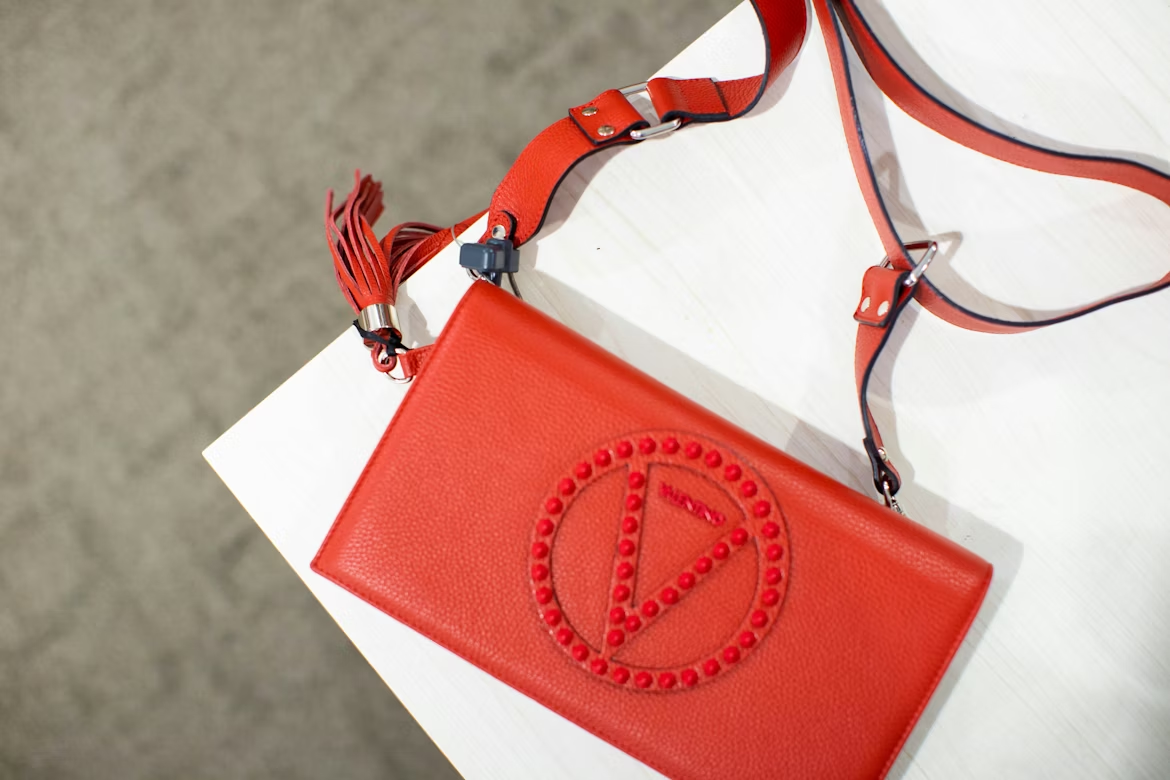
Italian luxury fashion house Valentino is facing criticism after publishing artificial intelligence-generated adverts for its DeVain handbag, with social media users describing the campaign visuals and use of AI as “disturbing,” “sloppy,” and “sad.”
AI campaign sparks criticism on social media
Valentino announced the adverts as part of what it described as a “digital creative project” created in collaboration with digital artists. One AI-generated video, posted on Instagram and labelled as AI-made, promotes the DeVain handbag through a series of surreal visual sequences.
The video features models spliced into a collage of Valentino logos and images of the handbag. In one sequence, models appear to emerge from an ornate gold version of the DeVain bag. In another, the Valentino logo morphs into human arms, which then merge into a swirling mass of bodies.
Hundreds of comments were posted under the video on Monday, many of them critical of both the visuals and the use of AI. One user wrote: “Disappointing from a couture fashion house.” Another said advertising campaigns should place talented creatives at the centre and described the use of AI in this case as “lazy.” Other users accused the brand of producing “AI slop,” called the post “cheap,” and urged the marketing team to “read the room.” Some also claimed the post appeared designed to provoke outrage.
The BBC has contacted Valentino for comment.
Industry reaction to the use of generative AI
Dr Rebecca Swift, senior vice president of creative at Getty Images, said the response reflected a broader perception that AI-generated content is viewed as less valuable than work produced by humans.
She said that while people may accept AI-generated material for personal use, they hold brands, particularly luxury brands, to stricter standards. She added that disclosing the use of AI was not enough to prevent negative reactions in this case.
Wider use of AI in the fashion sector
The fashion industry has increasingly adopted generative AI tools that can produce images and videos in seconds. Companies have cited cost savings in production and marketing as one reason for the shift. The technology has also been presented as a tool for examining changes in design processes, manufacturing workflows, and garment sizing.
However, the growing use of AI has raised concerns about the potential displacement of human workers and the effect on product quality.
Anne-Liese Prem, head of cultural insights and trends at digital creative agency Loop, said Valentino’s decision to be open about the use of AI showed transparency but also exposed what she described as a deeper cultural issue.
She said criticism is often tied to the belief that AI replaces human creativity rather than supports it. When AI becomes part of a brand’s visual identity, she said, audiences may interpret the shift as prioritising efficiency over craftsmanship, even when the execution is intended to appear creative.
Ms Prem added that generative AI can reduce the sense of human presence at a time when audiences are placing increased value on it.
Previous AI advertising controversies
Other fashion brands have also faced scrutiny over their use of AI. H&M drew criticism after introducing “digital twins” of models for advertising and social media, with concerns raised about the effects on human models as well as photographers and make-up artists.
An AI-generated Guess advert published earlier this year in Vogue prompted debate over how artificial imagery may influence female beauty standards.
Ms Prem said that although AI offers new creative possibilities to brands, it also carries clear risks. She said that without a strong emotional concept behind its use, generative AI can make luxury branding feel less human.
Featured image credits: The Nix Company via Unsplash
For more stories like it, click the +Follow button at the top of this page to follow us.