

The Trump administration has unveiled plans for a major arms sale to Taiwan worth about $11bn (£8.2bn), a move that has prompted a sharp response from Beijing and added to tensions across the Taiwan Strait. The package, which requires approval from the US Congress, would be the second arms sale to Taiwan since President Donald Trump returned to office in January.
Details of the proposed arms package
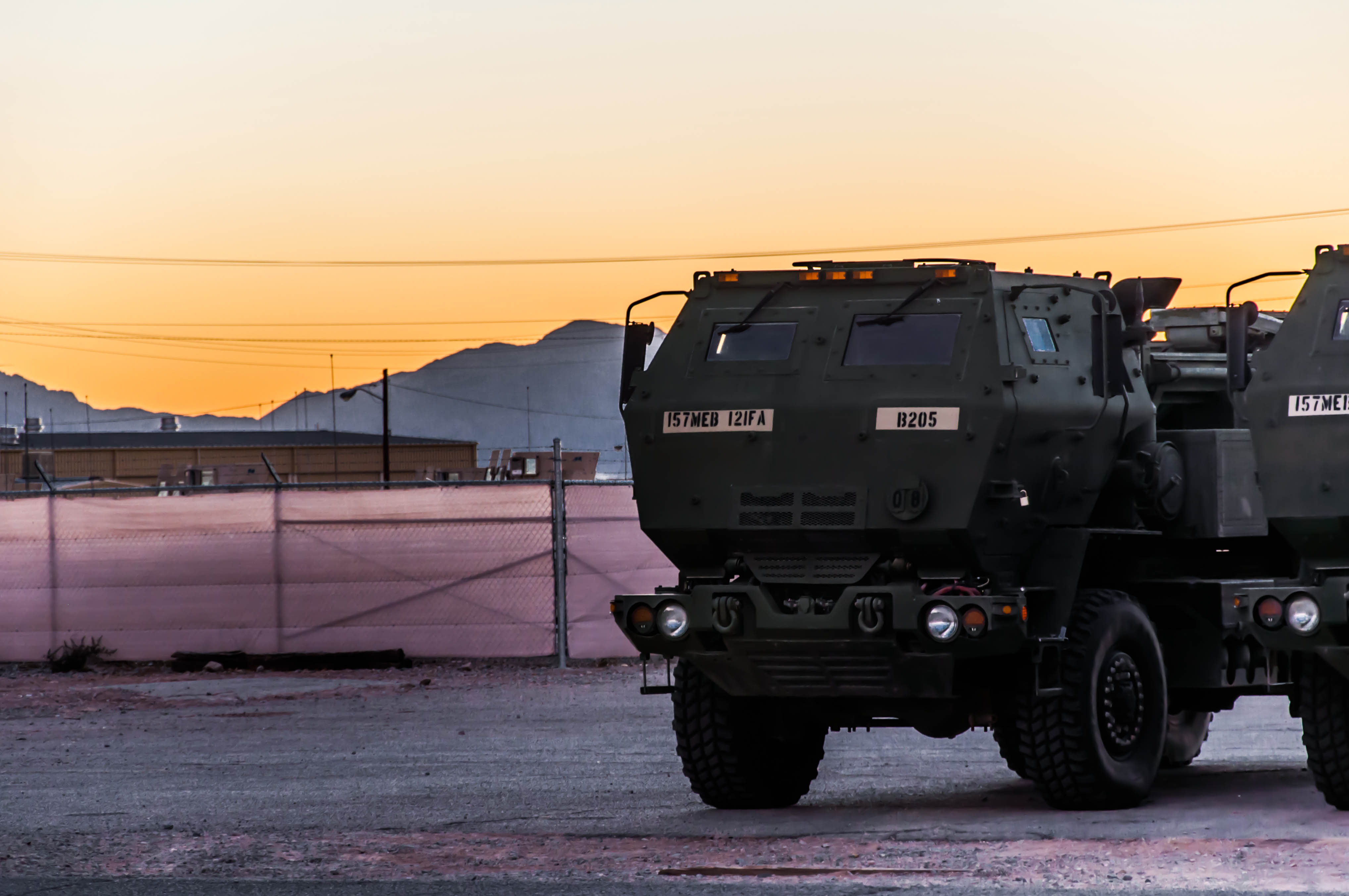
According to the US Defense Security Cooperation Agency, the proposed sale includes High Mobility Artillery Rocket Systems (Himars) valued at around $4bn, self-propelled howitzers worth another $4bn, and a range of missiles. The agency released details of the package late on Wednesday.
If approved, the scale of the deal would exceed arms sales made to Taiwan during the previous US administration. Under President Joe Biden, Washington completed 19 arms sales to Taiwan with a combined value of $8.38bn. During Trump’s first term, the US approved arms sales totalling $18.3bn, including a single package worth $8bn.
The US State Department said the proposed sale supports American interests by backing Taiwan’s efforts to modernise its armed forces and maintain what it described as a credible defensive capability.
Taiwan’s response and defence plans
Taiwan’s defence ministry welcomed the announcement and thanked the United States. It said the weapons package would help the island build deterrence more quickly as it faces growing military pressure.
Taiwan has been increasing its focus on defence in recent years. The government plans to raise defence spending to more than 3% of gross domestic product next year, with a target of up to 5% by 2030. In October, President Lai Ching-te announced plans to build a dome-style air defence system to guard against what he described as hostile threats, without naming China.
China condemns the move
China reacted strongly to the announcement. Beijing considers Taiwan a breakaway province and has repeatedly said it will seek reunification, by force if necessary. China’s foreign ministry said the arms sale severely harms China’s sovereignty, security, and territorial integrity.
Foreign ministry spokesman Guo Jiakun said the US was attempting to support Taiwanese independence through military means and warned that such actions would fail. He said the move would push the situation across the Taiwan Strait toward greater danger.
In recent years, China has increased pressure on Taiwan through large-scale military drills and frequent incursions into Taiwan’s air defence identification zone and surrounding waters.
Wider regional tensions
The arms sale comes against a backdrop of heightened regional strain. China has taken a more assertive posture in East Asia, leading to friction with neighbouring countries.
In June, Japan lodged a protest after Chinese aircraft carriers conducted an unprecedented naval drill in the Pacific. More recently, Tokyo and Beijing exchanged sharp words after the Japanese prime minister suggested Japan could deploy its self-defence forces if China were to attack Taiwan.
This month, tensions rose further when vessels from China and Japan confronted each other near disputed islands, and Chinese fighter jets reportedly locked radar onto Japanese aircraft.
Featured image credits: Sean K. Huolihan SGT via Wikimedia Commons
For more stories like it, click the +Follow button at the top of this page to follow us.