

Growth of the Cannabis Industry in the Caribbean
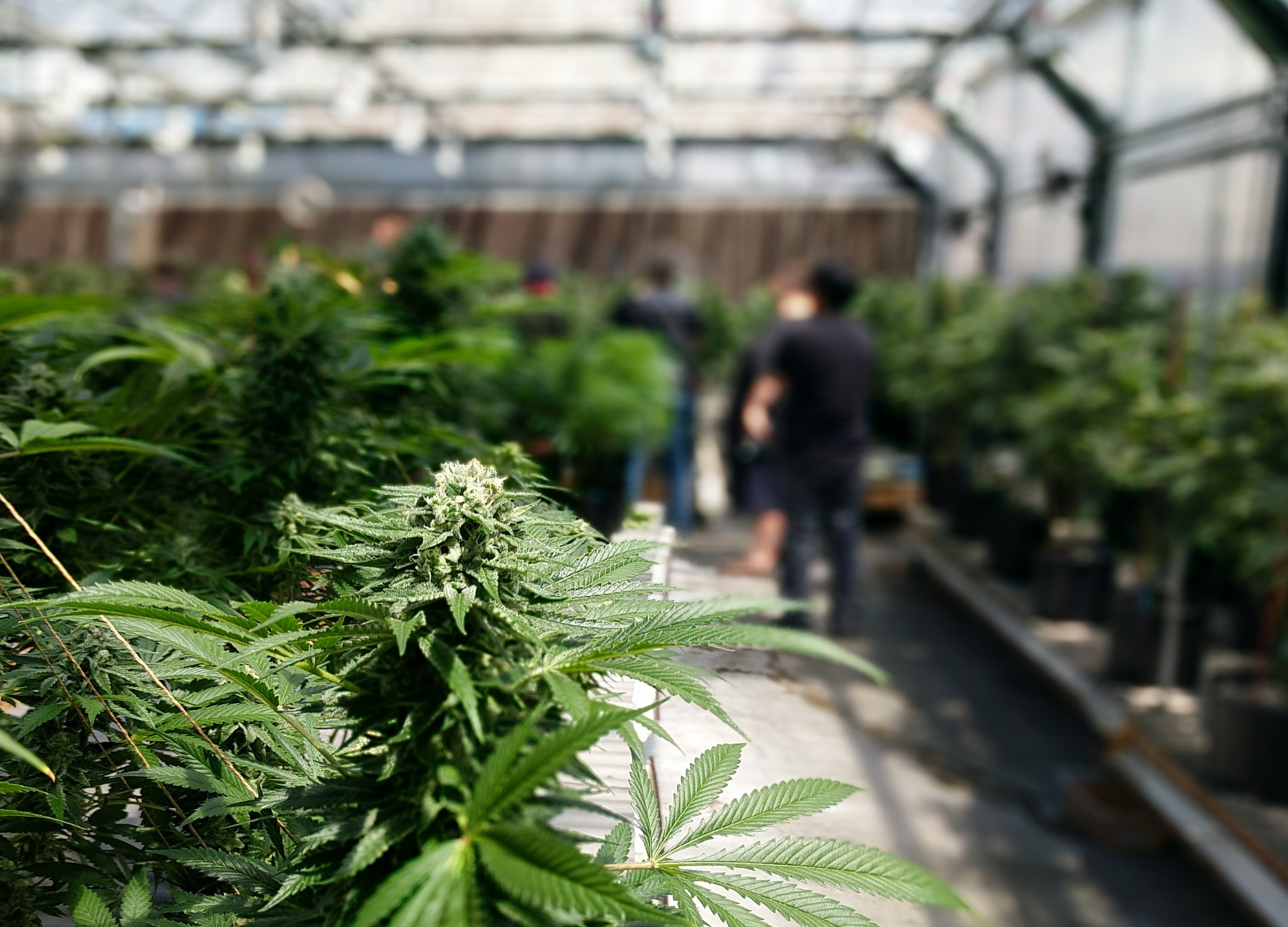
In Antigua, master cultivator Michaelus Tracey guides visitors through rows of flowering cannabis plants at Pineapple Road, a farm producing nine distinct strains. The warm temperatures, abundant sunshine, and high humidity make Antigua a prime location for growing cannabis. Trials were conducted to produce various strains with different flavor profiles and medicinal effects, such as relaxation, pain relief, and energy enhancement.
Cannabis cultivation has grown in the Caribbean following Jamaica’s decriminalization of recreational cannabis in 2015 and the subsequent legalization of medical cannabis. Several other Caribbean nations, including Antigua and Barbuda in 2018, followed suit. These developments have led to a thriving market of legal cannabis farms and medicinal dispensaries, with both locals and tourists able to purchase the drug with a valid medical authorization.
Calls for Further Legalization and Research
Despite progress, experts like Professor Rose-Marie Belle Antoine, an advocate for the cannabis industry in the Caribbean, argue that decriminalization alone is not enough. She calls for full legalization and regulation to facilitate further growth. Antoine believes that Caribbean nations have the knowledge and expertise in cannabis strains and cultivation, but legal barriers hinder the full potential of the industry.
Research into the potential benefits of cannabis is expanding, with studies set to begin in Antigua. These will explore areas such as alleviating cancer treatment side effects and improving soil health in agriculture. Antoine stresses that legalizing cannabis would streamline this research and boost the industry’s development.
US Policy Shift and Export Potential
There is hope that changes in US cannabis policy could benefit the Caribbean. In December, US President Donald Trump’s executive order to reclassify cannabis as a lower-level drug is seen as a significant milestone. This shift could ease regulatory hurdles and make it easier for Caribbean nations to export cannabis to the US for recreational use, although federal law still prohibits such imports.
Jamaica and Antigua and Barbuda have made moves toward exporting cannabis, with Jamaica’s Cannabis Licensing Authority facilitating the export of cannabis to countries that hold valid import permits. Antigua’s Medicinal Cannabis Authority is working on developing an export industry, with a focus on novelty value, as few countries can claim to offer Antiguan-grown cannabis.
Domestic Challenges: Over-Regulation and Illicit Market
Despite the legal framework in place, both Jamaica and Antigua face significant challenges in the domestic cannabis market. High overheads, strict regulations, and the requirement for medical authorization have left much of the market in the hands of illegal producers. In Jamaica, an estimated 90% of the 87 tonnes of cannabis consumed annually comes from illicit sources. Similarly, in Antigua, illegal imports continue to dominate, with authorities intercepting large quantities of cannabis.
Many licensed producers struggle to stay afloat, with limited success in reaching consumers due to the over-regulation of the industry. Jacana, a business in Jamaica, estimates that half of the country’s cannabis users are tourists, yet much of the cannabis consumed remains outside the legal market.
Innovative Approaches to Combat the Illicit Market
In response to these challenges, Antigua has taken an innovative approach to dealing with illegal cannabis growers. Instead of prosecution, violators are invited to take part in a six-week course to learn how to enter the legal market. As a result, several participants have successfully transitioned to medicinal cannabis businesses, which could help ensure the success of the legal industry in the long run.
Social Justice and the Rastafarian Community
Cannabis legalization has also brought social justice benefits, particularly for the Rastafarian community in Antigua. In 2018, Prime Minister Gaston Browne issued a formal apology for the historic persecution of Rastafarians due to their cannabis use. The government also granted Rastafarians the right to grow cannabis for sacramental purposes. Last summer, plans were announced to expunge the criminal records of those previously convicted for small amounts of marijuana.
Future Outlook for the Cannabis Industry in the Caribbean
At Pineapple Road, two employees hand-roll joints for sale in the farm’s dispensary, symbolizing the local cannabis industry’s growing role in the Caribbean. Industry leaders like Regis Burton, CEO of Antigua’s Medicinal Cannabis Authority, hope to keep the profits within the region, using the Caribbean’s climate advantages to compete with larger cannabis-producing nations. While they are not aiming to create an “Amsterdam” model, the focus remains on wellness and the potential benefits cannabis can bring to the region.
Featured image credits: Wikimedia Commons
For more stories like it, click the +Follow button at the top of this page to follow us.