

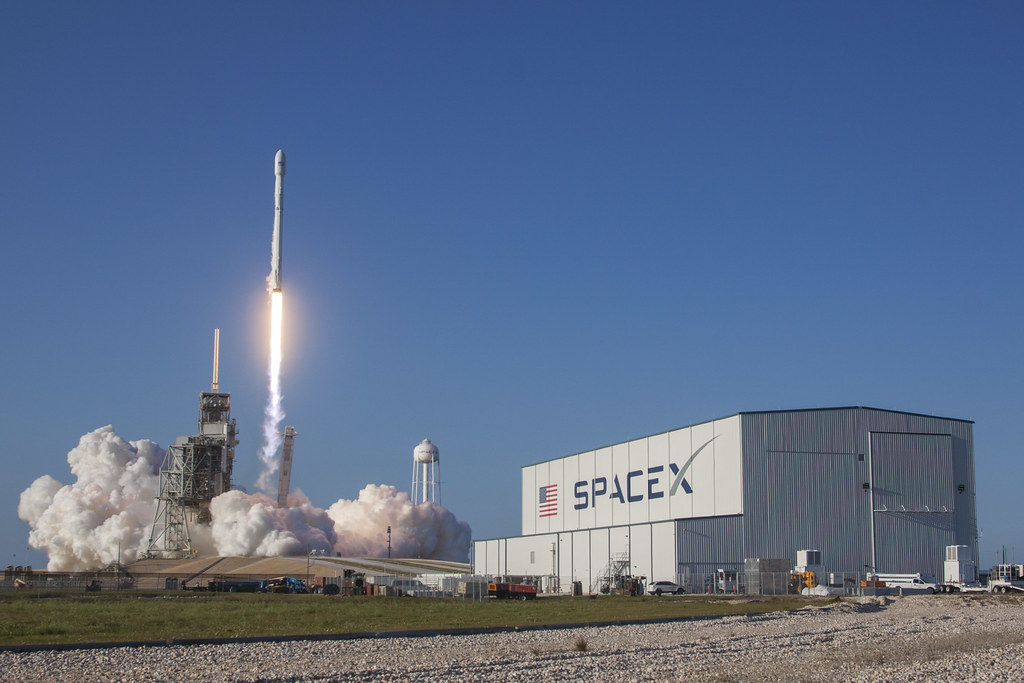
SpaceX has acquired Elon Musk’s artificial intelligence startup xAI, combining the two companies in a deal that values the merged business at $1.25 trillion and positioning it as the most valuable private company in the world, according to Bloomberg News.
Merger Framed Around Space-Based Data Centers
In a memo published on SpaceX’s website, chief executive Elon Musk said the acquisition is centered on building space-based data centers to support artificial intelligence workloads. Musk argued that current AI development relies on large terrestrial data centers that consume significant power and require extensive cooling.
Musk wrote that global electricity demand driven by AI cannot be met by ground-based infrastructure alone without placing strain on communities and the environment. xAI has previously faced criticism over the impact of its data center operations near Memphis, Tennessee.
Valuation And IPO Questions
Bloomberg News, which first reported the completed transaction, said the merger values the combined entity at $1.25 trillion. SpaceX has been preparing for a potential initial public offering as early as June, according to previous reports, though Musk did not address whether the acquisition would affect that timeline.
Financial Pressures On Both Companies
The merger brings together two companies facing distinct financial pressures. xAI is currently burning about $1 billion per month, according to Bloomberg. SpaceX, meanwhile, derives as much as 80% of its revenue from launching and operating its own Starlink constellation, according to Reuters.
Last year, xAI acquired X, another Musk-owned company. At the time, Musk said the combined valuation of xAI and X stood at $113 billion.
Satellite Demand And Revenue Implications
Musk said creating space-based data centers would require a continuous deployment of satellites, though he did not specify how many. He wrote that this would create a sustained demand for launches, providing SpaceX with a long-term revenue stream.
The economics are reinforced by regulatory requirements from the Federal Communications Commission, which mandate that satellites be de-orbited after five years, increasing the need for ongoing replacements.
Diverging Near-Term Priorities
Despite the merger, SpaceX and xAI retain different short-term goals. SpaceX is focused on proving the capability of its Starship rocket to transport astronauts to the Moon and Mars. xAI is competing directly with major AI developers such as Google and OpenAI.
According to the Washington Post, competitive pressure has led Musk to loosen restrictions on xAI’s chatbot Grok. The report said those changes contributed to the tool being used to generate nonconsensual sexual imagery involving adults and children.
Musk’s Broader Business Ties
Musk also leads Tesla, The Boring Company, and Neuralink. Tesla and SpaceX had previously invested $2 billion each into xAI, deepening the financial links between Musk’s businesses ahead of the acquisition.
Featured image credits: Flickr
For more stories like it, click the +Follow button at the top of this page to follow us.