

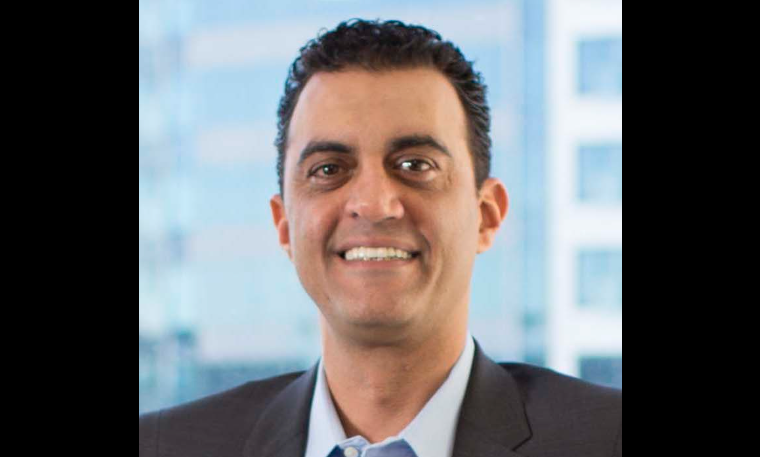
Emil Michael has outlined his views on the U.S. government’s dispute with Anthropic in a recent podcast interview, while also revisiting his departure from Uber and its long-term impact on the company’s strategy.
The interview, released Monday and conducted by Joubin Mirzadegan of Kleiner Perkins, covered both policy issues and Michael’s personal history. It was recorded before tensions between the Department of Defense and Anthropic escalated publicly, but included detailed comments on both topics.
Michael Reflects On Uber Departure
When asked about his exit from Uber in 2017, Michael said he was “effectively” pushed out alongside then-CEO Travis Kalanick. He resigned eight days before Kalanick, following an internal investigation led by Eric Holder into workplace issues, which recommended his removal despite him not being named in the underlying allegations.
Michael said he has not moved past the episode, stating he would “never forget” or forgive the circumstances of his departure.
Debate Over Uber’s Autonomous Driving Strategy
Michael and Kalanick both argued that investor pressure led to the abandonment of Uber’s autonomous driving ambitions. Michael said investors focused on preserving short-term returns instead of pursuing longer-term growth potential.
After their departure, Uber sold its self-driving unit to Aurora in 2020. At the time, the decision was viewed as a response to high costs and uncertain timelines.
Since then, Waymo has expanded its robotaxi services across multiple U.S. cities. Kalanick, speaking at a conference in Los Angeles last year, said Uber’s program had been close to competing with Waymo before it was discontinued.
Kalanick has continued to pursue new ventures, recently introducing a robotics company called Atoms and investing in Pronto, with plans to acquire it.
DoD Dispute With Anthropic
Michael’s comments on Anthropic focused on its role as an approved vendor of large language models for the Department of Defense. He said the agency operates under extensive legal and regulatory constraints, and argued that companies should not impose additional policy restrictions on top of those frameworks.
He compared the situation to commercial software, stating that providers should not dictate how customers use their tools once deployed.
Michael also referenced concerns about foreign access to AI capabilities. He cited findings from Anthropic indicating that Chinese companies have used distillation techniques to replicate model behavior. He said such developments could allow access to comparable capabilities under China’s civil-military framework, while U.S. systems remain constrained by additional safeguards.
Legal Escalation Between Anthropic And The Government
The dispute has since moved into legal proceedings. Pete Hegseth designated Anthropic as a supply-chain risk in February. The U.S. government later filed a legal brief arguing that integrating Anthropic’s technology into military systems could introduce risks, including the possibility of the company altering or restricting its tools during critical operations.
Anthropic responded with court filings disputing those claims. The company said the government’s arguments rely on technical misunderstandings and stated that it cannot interfere with deployed systems in the way described. Thiyagu Ramasamy submitted a declaration asserting that such control is not technically feasible.
A hearing on the case is scheduled to take place Tuesday in San Francisco.
Featured image credits: Wikimedia Commons
For more stories like it, click the +Follow button at the top of this page to follow us.