

Artificial intelligence became an unexpected flashpoint at several university commencement ceremonies this year, with graduating students loudly booing speakers who promoted AI as a defining force in the future economy and workforce.
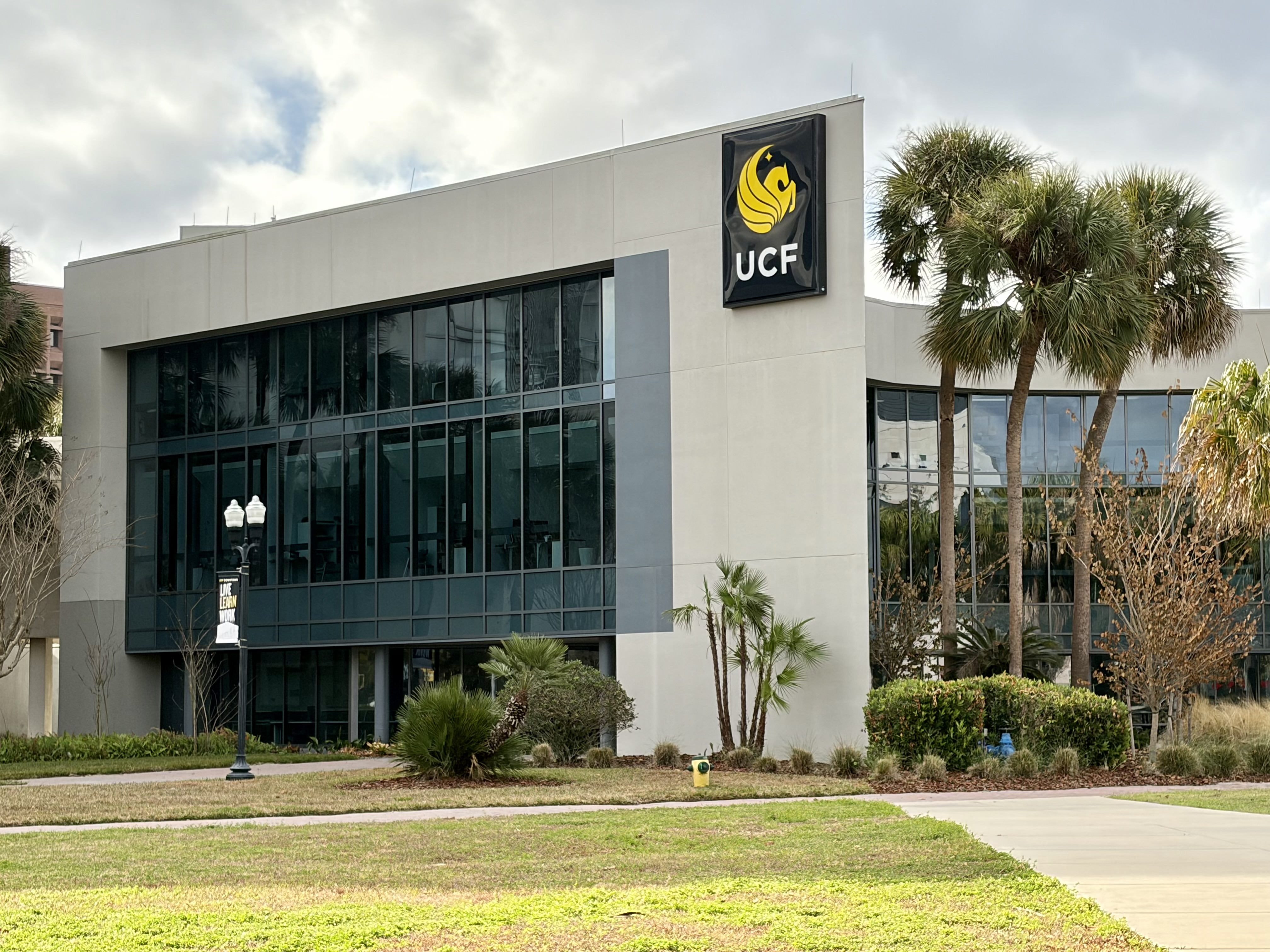
At a commencement ceremony at the University of Central Florida last week, Gloria Caulfield, an executive at Tavistock Development Company, spoke about what she described as a period of “profound change.”
Caulfield told graduates that the rise of artificial intelligence represented “the next industrial revolution.” The statement triggered loud boos from students in the audience, with the reaction growing strong enough that Caulfield paused and laughed before asking fellow speakers, “What happened?”
“Okay, I struck a chord,” she said.
When Caulfield attempted to continue by saying, “Only a few years ago, AI was not a factor in our lives,” students interrupted again, this time with loud cheering and applause.
Eric Schmidt Receives Similar Reaction At Arizona Ceremony
Former Google chief executive officer Eric Schmidt encountered similar reactions during a commencement speech at the University of Arizona on Friday.
Before the ceremony, some student organizations had already called for Schmidt to be removed as commencement speaker because of a lawsuit filed by a former girlfriend and business partner accusing him of sexual assault allegations that Schmidt has denied.
According to a local news report, students began booing even before Schmidt reached the stage.
The audience reaction intensified after Schmidt told graduates, “You will help shape artificial intelligence.”
Students continued booing as Schmidt attempted to continue his remarks.
“You can now assemble a team of AI agents to help you with the parts that you could never accomplish on your own,” Schmidt said. “When someone offers you a seat on the rocket ship, you do not ask which seat, you just get on.”
AI Discussions Reflect Broader Employment Concerns
Not all commencement speeches mentioning AI received negative reactions.
Jensen Huang, chief executive officer of Nvidia, spoke at the Carnegie Mellon University commencement ceremony and did not appear to face audible criticism after stating that AI had “reinvented computing.”
Still, concerns about employment prospects and economic uncertainty appear to be shaping reactions among younger audiences.
A recent Gallup poll found that only 43% of Americans between ages 15 and 34 believe it is currently a good time to find a job locally. That figure declined sharply from 75% recorded in 2022.
The concerns are not limited solely to artificial intelligence, though AI-related job disruption has become a growing issue across multiple industries, including software engineering.
Journalist and technology industry critic Brian Merchant argued that many younger people increasingly associate AI with economic pressure and workplace instability.
“For many students, AI has become ‘the cruel new face of hyper-scaling capitalism,’” Merchant wrote.
Merchant also said he understood why younger graduates facing unemployment concerns might react negatively to speeches framing AI as an opportunity.
Commencement Speakers Focus On Uncertainty And Resilience
Even ceremonies that did not focus directly on artificial intelligence frequently emphasized themes of resilience and uncertainty.
During his speech, Schmidt acknowledged broader anxieties facing younger generations.
“There is a fear in your generation that the future has already been written,” Schmidt said, adding that many students believe “the machines are coming, that the jobs are evaporating, that the climate is breaking, that politics are fractured, and that you are inheriting a mess that you did not create.”
Some graduates at the University of Central Florida also criticized Caulfield’s speech beyond the AI remarks.
One student said the audience had already begun disengaging after what they described as generic praise for corporate executives including Jeff Bezos.
Another graduate, Alexander Rose Tyson, told The New York Times that the reaction emerged collectively within the crowd.
“It wasn’t one person that really started the booing,” Tyson said. “It was just sort of like a collective, ‘This sucks.’”
Featured image credits: Wikimedia Commons
For more stories like it, click the +Follow button at the top of this page to follow us.