

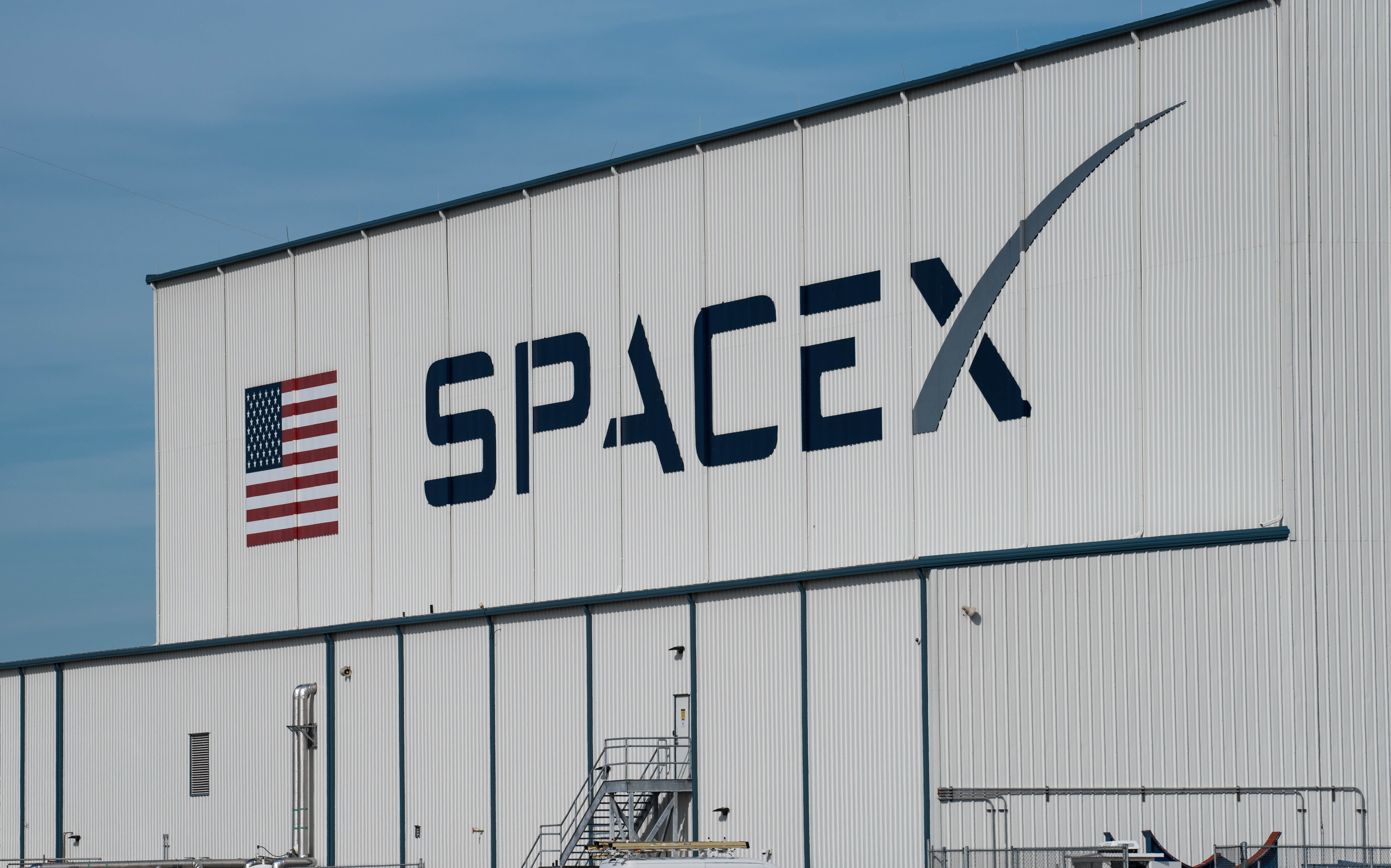
Reflection AI has agreed to pay SpaceX $150 million per month for access to Nvidia’s latest AI chips at the Colossus 2 data centre near Memphis, Tennessee.
The agreement begins on July 1, 2026, and could continue through the end of 2029, giving it a potential value of approximately $6.3 billion. Either company may end the contract with 90 days’ notice after the first three months.
Reflection Gains Immediate Access to GB300 Chips
The agreement gives Reflection immediate access to Nvidia GB300 accelerators and supporting computing equipment. These systems will help the startup train and operate increasingly capable open-weight AI models.
Reflection described the agreement as one of the largest infrastructure commitments announced by an open AI company. It is also the startup’s first major external computing contract.
Founded in 2024 by former Google DeepMind researchers, Reflection is developing models whose trained parameters can be downloaded, studied, and adapted. The company positions its work as an alternative to closed systems offered by laboratories such as OpenAI and Anthropic.
Reflection has assembled researchers who previously contributed to systems including Gemini, AlphaGo, PaLM, ChatGPT, and Character.AI. In October 2025, the company announced that it had raised $2 billion to build frontier open intelligence.
A Reflection spokesperson said growing concern about dependence on closed models had increased interest in open alternatives. The additional computing capacity will allow the company to train larger models and conduct more research at scale.
SpaceX Expands Its AI Infrastructure Business
Colossus was originally developed by xAI for its own model-training work before the AI company became part of SpaceX. SpaceX has since begun leasing portions of its computing infrastructure to outside AI laboratories.
Reflection’s agreement is smaller than SpaceX’s existing contracts with Anthropic and Google. Anthropic reportedly agreed to pay $1.25 billion per month, while Google committed $920 million per month for access to Nvidia GPUs and related equipment.
Those agreements also contain termination provisions, giving SpaceX flexibility to reclaim the computing capacity if its internal requirements change.
The contracts allow SpaceX to generate revenue from large chip holdings while demand for AI computing remains higher than available supply. They also give AI developers faster access to advanced hardware without waiting to construct their own data centres.
For Reflection, the agreement supplies the computing scale needed to compete with better-funded frontier laboratories. The company says its goal is to make powerful open models available to developers, businesses, researchers, and governments rather than concentrating advanced AI within a small number of closed providers.
Featured image credits: Wikimedia Commons
For more stories like it, click the +Follow button at the top of this page to follow us.