

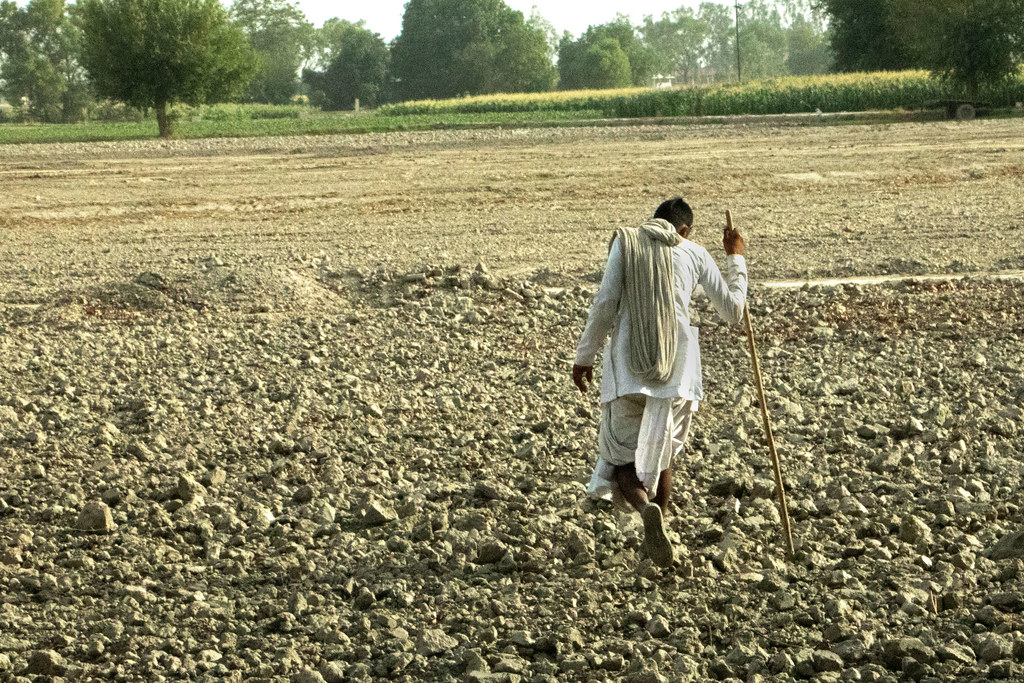
India recorded its driest June in 12 years and its fifth-driest since nationwide rainfall records began in 1901, according to the India Meteorological Department. Rainfall during the month was 39.8% below the long-period average, raising concerns about summer crop planting after a delayed start to the monsoon.
The IMD’s monsoon updates show that the southwest monsoon reached Kerala on June 4, three days later than its usual arrival around June 1. Its advance then slowed for about two weeks across parts of western India, delaying field preparation and planting in several farming regions.
July rainfall is also expected to remain below normal, at less than 94% of the long-period average. The month usually provides a large share of India’s four-month monsoon rainfall and coincides with the main planting period for crops including rice, cotton, corn and soybeans.
Summer Crop Planting Falls by Nearly 23%
Farmers had planted summer crops across 18.27 million hectares by late June, down nearly 23% from 23.65 million hectares during the corresponding period in 2025. Rice planting fell by about 25%, from 3.44 million hectares to 2.58 million hectares.
India’s main monsoon crops also include pulses, coarse cereals, oilseeds, sugarcane and jute. Almost half of the country’s net sown farmland lacks reliable irrigation, leaving millions of farmers dependent on the timing and distribution of seasonal rainfall.
The southwest monsoon supplies about 70% of India’s annual rainfall. A prolonged shortfall could also reduce oilseed production and increase demand for imported edible oils, although rainfall can still recover before the season ends in September.
Government Prepares Plans for At-Risk Districts
The Ministry of Agriculture and Farmers Welfare has prepared district-level measures for areas that may receive below-normal rainfall. Agriculture Minister Shivraj Singh Chouhan said authorities had identified 315 at-risk districts and were reviewing crop choices, fertiliser availability and water conservation plans.
An official government update said officials would pay particular attention to districts likely to be affected by El Niño conditions. Measures include short-duration crops, varieties requiring less water and regular reviews with district authorities.
India also entered the season with 39.7 million tonnes of rice in government warehouses as of July 1, almost three times the required buffer of 13.5 million tonnes. Another 29.8 million tonnes is expected after previously purchased paddy is milled, providing protection against an immediate supply shortage.
Featured image credits: IFPRI via Flickr
For more stories like it, click the +Follow button at the top of this page to follow us.