

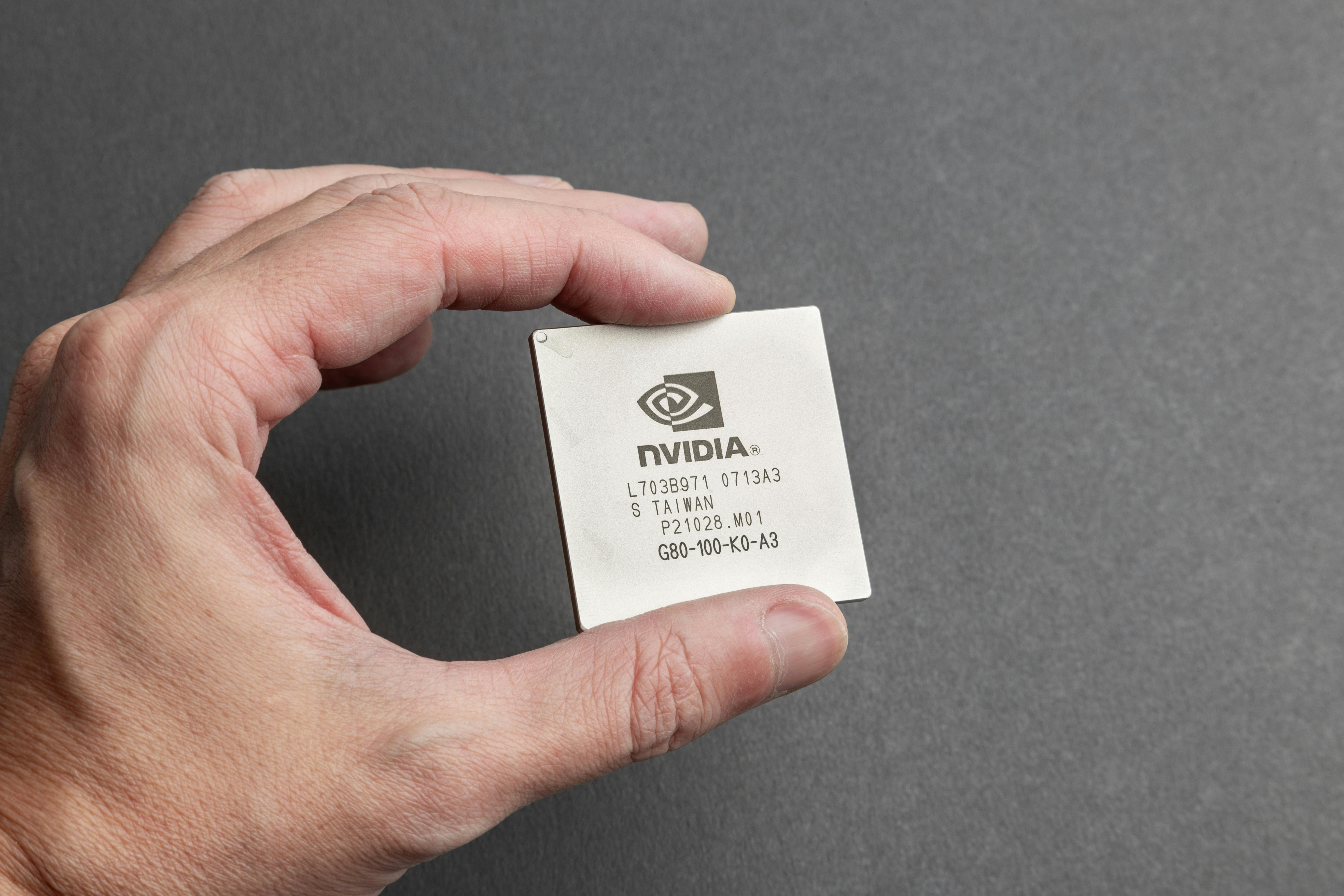
Federal prosecutors disclosed an investigation into an alleged global smuggling network that sought to move restricted Nvidia AI chips from the United States to China, revealing how U.S. authorities say conspirators attempted to bypass export controls tied to national security concerns.
Documents unsealed on Dec. 8 in Texas outlined “Operation Gatekeeper,” a federal probe into what prosecutors described as a clandestine supply chain for Nvidia graphic processing units, or GPUs. The investigation did not center on drugs or stolen goods. Instead, it focused on advanced AI chips that power large-scale computing systems used for both civilian and military applications. According to the government, the network attempted to export at least $160 million worth of Nvidia H100 and H200 GPUs to China between October 2024 and May 2025, despite U.S. export restrictions.
Operation Gatekeeper And The Alleged Smuggling Network
Prosecutors said the alleged syndicate relied on operatives who entered the United States illegally, shell companies used as fronts, and a covert warehouse operation based in Secaucus, New Jersey. Authorities said at least one undercover agent infiltrated the warehouse, which served as a staging point for relabeling and shipping the chips overseas.
The government said the network operated in defiance of American national security export control laws designed to restrict China’s access to cutting-edge AI hardware. Investigators described the operation as a coordinated effort involving logistics, false documentation, and concealed distribution channels.
China’s Demand For Nvidia Chips
China’s demand for Nvidia GPUs remains high, according to analysts cited in the filings, as the country continues to rely heavily on U.S.-designed hardware even while building a domestic AI chip industry. Ray Wang, an analyst at SemiAnalysis, said more than 60% of leading AI models in China are currently running on Nvidia hardware.
“Nvidia have [a] systematic advantage ranging from hardware to software,” Wang said. He added that China is still trying to close the gap created by that combined advantage.
Undercover Operation At The New Jersey Warehouse
As part of the investigation, the government placed an undercover agent inside the Secaucus warehouse. Prosecutors said the agent observed suspects relabeling Nvidia GPUs with the branding of a fictitious company called “Sandkayan.” Export and shipping paperwork allegedly misclassified the items as “adapters,” “adapter modules,” and “contactor controllers” to obscure their true nature.
The warehouse, according to prosecutors, functioned as a key node in the smuggling operation, allowing the group to consolidate shipments before exporting them overseas.
May 28 Interception And Seizure
The operation reached a critical point on May 28, when three trucks hired by the alleged conspirators arrived at the New Jersey warehouse to collect the chips. According to court documents, messages exchanged in a group text used by the network showed that one driver reported police presence at the warehouse and said officers were asking about the cargo’s destination.
Prosecutors said other members of the group instructed the drivers to claim they did not know anything about the shipment. Roughly five minutes later, a message sent to the entire group chat ordered participants to dissolve the chat and delete contacts. Federal agents then moved in, securing the GPUs at the warehouse and preventing the shipment from leaving the United States.
Wider Enforcement Context And Industry Response
The case unfolded alongside a series of similar enforcement actions targeting unauthorized exports of Nvidia chips. The Center for a New American Security estimates that between 10,000 and several hundred thousand AI chips were smuggled into China during 2024.
Wang said illicit access to Nvidia hardware remains difficult to prevent. He said shell companies, overseas data centers, and indirect purchasing methods make it challenging for Nvidia to fully track where its chips end up or to conduct thorough due diligence on secondary-market transactions.
Nvidia, in a statement to CNBC, said U.S. export controls are strict and wide-ranging. The company said even older-generation products sold on the secondary market face close scrutiny. While millions of controlled GPUs are already deployed across businesses, homes, and schools, Nvidia said it continues to work with the U.S. government and customers to prevent second-hand smuggling.
Trump Announcement Complicates The Case
The investigation took an unexpected turn the same day prosecutors announced the case. President Donald Trump posted on Truth Social that the United States would allow exports of Nvidia’s H200 GPUs to China, provided the U.S. government receives a 25% share of the sales. Trump said Nvidia’s most advanced chips, including the Blackwell and Rubin GPUs, would remain barred from export.
Operation Gatekeeper led to the arrests of two businessmen and a guilty plea from a Houston man and his company related to smuggling charges. Trump’s announcement complicated the government’s argument that exporting the seized H200 GPUs posed a national security threat.
In a court filing submitted the following day, defense lawyers argued that the president undercut the government’s position by authorizing exports of the same H200 chips seized in the case. They wrote that the announcement contradicted claims that shipping those GPUs to China endangered U.S. security.
Outlook From Industry Analysts
Some experts said unauthorized exports are likely to continue. Wang said he does not expect smuggling activity to stop, noting that global demand for computing power continues to rise and that China’s need for advanced AI hardware remains substantial. He added that it remains unclear whether allowing limited exports of H200 chips would satisfy that demand.
Featured image credits: Pexels
For more stories like it, click the +Follow button at the top of this page to follow us.