

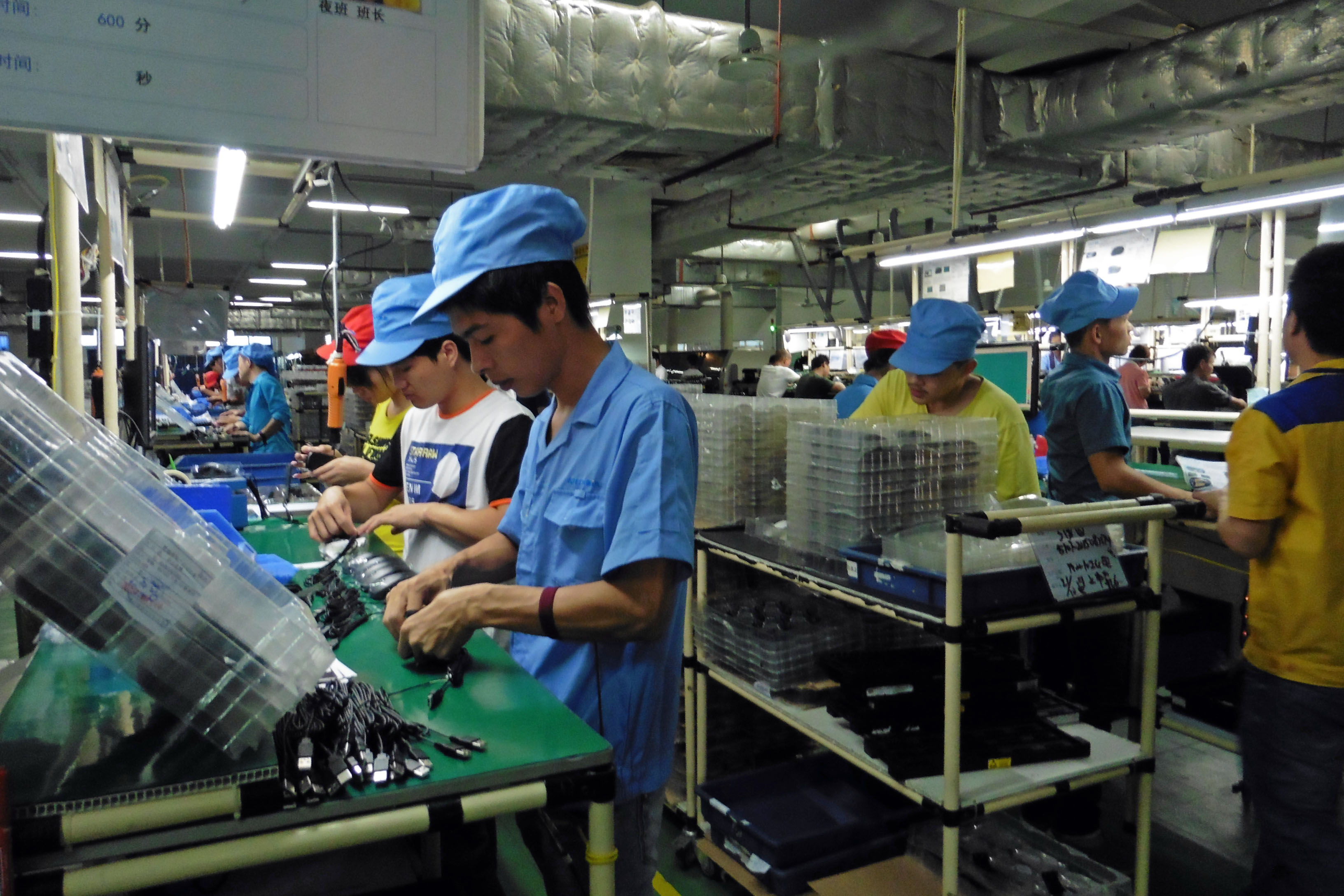
China has reported the largest annual trade surplus on record in 2025, surpassing $1 trillion for the first time, even as US tariffs under President Donald Trump disrupted global trade flows and weakened commerce between the world’s two largest economies.
Record Trade Surplus And Export Performance
Beijing said on Wednesday that China’s full-year trade surplus reached $1.19 trillion (£890 billion), the highest ever recorded globally. The figure exceeded the previous record of $993 billion set in 2024 and marked the first time China’s annual surplus crossed the $1 trillion threshold.
China’s monthly trade data showed export surpluses above $100 billion in seven separate months during the year. The figures suggest that US tariffs had limited impact on China’s overall trade balance, even as exports to the United States declined.
Shifts In Trade Partners
Trade with the US weakened during the year, but Chinese exporters offset the decline by expanding shipments to other regions. Exports rose to markets in Southeast Asia, Africa, and Latin America, according to the data.
Wang Jun, deputy director of China’s customs administration, said at a press conference on Wednesday that the results were “extraordinary and hard-won,” given what he described as profound changes and challenges in the global trading environment. He highlighted growth in exports related to green technology, artificial intelligence, and robotics.
Domestic Factors And Import Growth
The large surplus was also driven by subdued domestic demand. China’s economy has been affected by a prolonged property downturn and rising debt levels, which have reduced business investment and made consumers more cautious about spending.
As a result, demand for imported goods remained weak. Imports rose by only 0.5 percent over the year, according to the official figures.
Other contributing factors included a weaker yuan, ample domestic supply, and higher inflation in Western economies, which together made Chinese exports more competitive in overseas markets.
Mixed Implications For Beijing
Deborah Elms, a trade policy analyst at the Hinrich Foundation, described the results as a mixed outcome for Beijing. She said China has benefited from higher overseas sales and job creation linked to export growth, but warned that Chinese goods may face increased scrutiny in foreign markets struggling to compete with lower-priced imports.
Elms said China’s export momentum is likely to continue into 2026 as Chinese goods and services become more embedded in global supply chains.
External Risks And Trade Tensions
Chinese officials acknowledged ongoing risks in the external environment. Wang Jun said China faces continued uncertainty, as several countries have raised concerns about an influx of low-priced Chinese products into their markets.
Businesses are also preparing for further volatility linked to US trade policy. In April last year, US President Donald Trump announced sweeping tariffs on goods from more than 90 countries, with some of the most severe measures aimed at China, the largest exporter to the US market.
The tariff measures led to sharp tensions between the two economies, including threats of blanket tariffs exceeding 100 percent. Trade analysts at the time viewed the dispute as a test of China’s dependence on the US market, which Chinese officials said represented only one destination among many for exporters.
Temporary Easing In US China Relations
Tensions eased later in the year after Trump met with China’s leader Xi Jinping in South Korea in October. The talks helped pause further escalation and avoided a complete breakdown in trade relations.
More moderate tariffs remain in place, however, and have significantly reduced Chinese exports to the United States, according to the latest data.
Featured image credits: Wikimedia Commons
For more stories like it, click the +Follow button at the top of this page to follow us.