

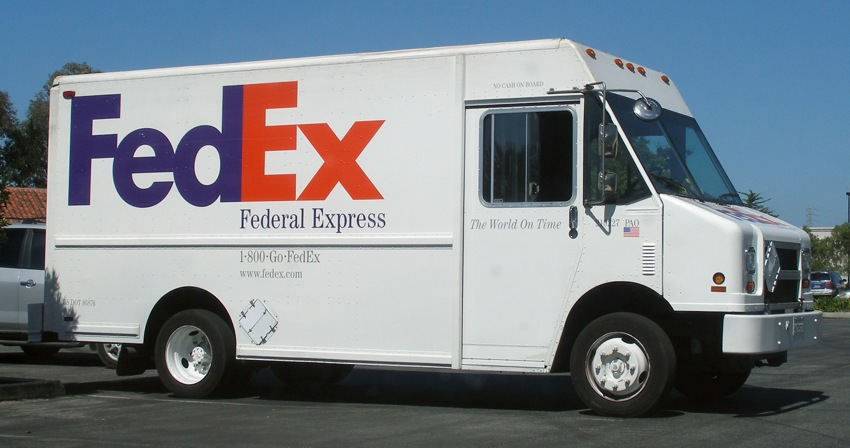
FedEx has filed a lawsuit seeking a “full refund” of emergency tariffs imposed by President Donald Trump, after the U.S. Supreme Court ruled that the law used to introduce the duties did not authorize them.
Supreme Court Decision And Legal Basis
Trump introduced higher tariffs on imports from most countries last April under the International Emergency Economic Powers Act. The Supreme Court ruled last week that the statute does not allow the president to impose tariffs, a decision that opens the door for companies to seek repayment of duties paid since the levies began.
The court’s ruling did not provide instructions on how refunds should be handled. After the decision, Trump and Treasury Secretary Scott Bessent said the question of repayments could take years to resolve in court.
FedEx Filing And Defendants
In its lawsuit, FedEx said it is seeking a full refund of all IEEPA duties it paid to the United States. The company did not state the dollar amount it is seeking. The suit names U.S. Customs and Border Protection, the agency’s commissioner Rodney Scott, and the United States as defendants.
FedEx told the U.S. Court of International Trade that it was responsible for paying the tariffs as an importer of record and is seeking redress on that basis. In a separate statement on Monday, the company said it had taken action to protect its rights to seek duty refunds from Customs and Border Protection following the Supreme Court’s ruling. The BBC has contacted the agency for comment.
Congressional Action And Scale Of Collections
On Monday, 22 U.S. senators, all Democrats, introduced legislation that would require the administration to refund all revenue collected from the tariffs, with interest, within 180 days. The bill would direct Customs and Border Protection to oversee the repayments and to prioritize small businesses.
It is estimated that the administration collected at least $130 billion in additional tariff revenue on most goods imported into the United States under the IEEPA.
Other Corporate Challenges
In the weeks before the court issued its decision, hundreds of companies filed lawsuits contesting the tariffs in an effort to position themselves for refunds. Those firms include Revlon, Alcoa, and food importers such as Bumble Bee. Costco also sued last year, arguing in its filing that the text of the IEEPA does not use the word “tariff” or any equivalent term.
New Tariff Authority
On Friday, Trump signed a proclamation using Section 122 of the 1974 Trade Act to impose a new temporary 10% tariff on goods from all countries. He said on Saturday that the rate would be increased to 15%.
Featured image credits: Wikimedia Commons
For more stories like it, click the +Follow button at the top of this page to follow us.