

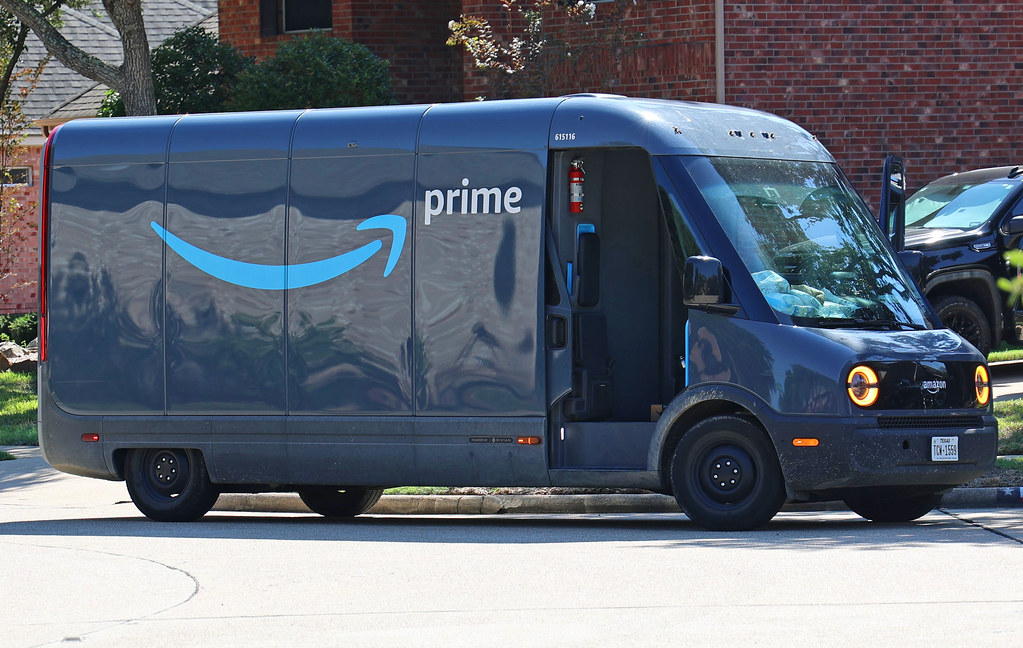
Amazon is introducing a 3.5% fuel surcharge for merchants using its logistics network, as rising oil prices linked to the Iran conflict increase transportation costs across the industry.
The surcharge will apply to sellers using Fulfillment by Amazon (FBA), a service that handles storage, packing, and shipping of products, and is set to take effect on April 17.
Rising Costs Drive New Policy
Amazon said the decision reflects sustained increases in fuel and logistics expenses. A company spokesperson stated that Amazon had previously absorbed higher costs but is now implementing a surcharge to partially offset them.
The company added that the fee is lower than similar surcharges imposed by other major carriers and will remain in place for the foreseeable future, subject to review based on market conditions.
Impact On Sellers Using Fulfillment By Amazon
FBA is widely used by third-party merchants selling through Amazon’s marketplace, though the company does not disclose exact participation figures. The program supports a large portion of third-party sales on the platform, meaning the surcharge could affect a broad range of sellers.
The additional fee represents a new cost layer for businesses already facing increased operating expenses tied to fuel and supply chain pressures.
Oil Market Disruptions And Geopolitical Context
The surcharge follows a sharp rise in global energy prices tied to the ongoing conflict involving Iran. Oil markets have been affected by disruptions around the Strait of Hormuz, a key passage through which roughly 20% of the world’s oil supply flows.
Iran’s position along the northern edge of the strait and its actions affecting shipping routes have contributed to volatility in global oil prices.
Comparison To Previous Surcharges
Amazon previously implemented a similar surcharge in 2022, when crude oil prices exceeded $100 per barrel following Russia’s invasion of Ukraine.
The current policy reflects a repeat of that approach as elevated energy costs once again affect logistics operations and supply chains.
Featured image credits: Flickr
For more stories like it, click the +Follow button at the top of this page to follow us.