

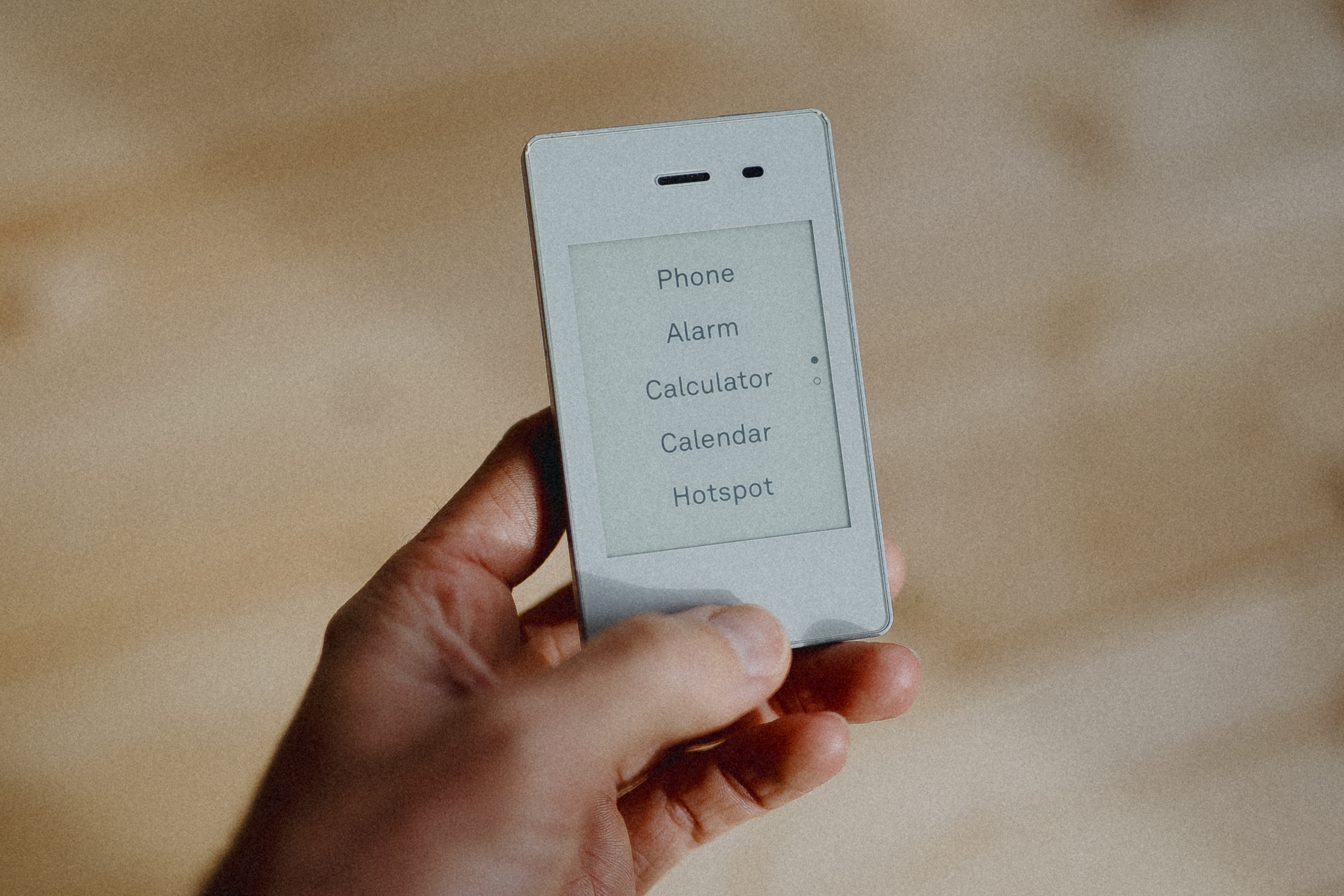
Light Phone Partners With Noble Mobile To Launch Data Rebate Subscription Contract
The minimalist device manufacturing startup Light is collaborating with Noble Mobile, a cellular network established by entrepreneur and politician Andrew Yang, to distribute 500 units of the Light Phone III model without requiring upfront hardware payments. Under the terms of the commercial rollout introduced on Tuesday, customers secure immediate device shipment by committing to a two-year telecommunications contract priced at $50 per month. The contract structure aggregates a total cost of $1,200 over the twenty-four-month duration, bypassing the standard $699 standalone retail price. This strategic arrangement effectively eliminates fulfillment delays that would otherwise defer device delivery until September.
Subscription Architecture And Financial Reimbursements
The integrated Noble Mobile cellular service allocates 5 gigabytes of data monthly, incorporating a financial incentive that refunds up to $5 for each gigabyte remaining unused by the subscriber. For standard device subscriptions, the carrier provides unlimited voice calls, text messaging, and data services for $50 per month. This baseline plan extends cash-back rewards of up to $20 for unused data allocations sitting beneath a 20-gigabyte monthly threshold.
Light co-founder Joe Hollier stated that the fiscal structure matches the core operational intent of the minimalist hardware. The physical product is intentionally engineered to minimize user interaction and digital screen time.
Evolving Hardware Specifications And Design Constraints
The Light Phone III transitions away from the electronic-ink screens utilized in previous product iterations, incorporating a color organic light-emitting diode display panel instead. The updated display implementation allowed designers to integrate front- and back-facing camera modules to facilitate upcoming software support for real-time video conversations.
Co-founders Joe Hollier and Kaiwei Tang, who originally formed the enterprise in 2014 within Google’s 30 Weeks design incubator, opted to omit artificial intelligence sharpening filters or cosmetic blemish-smoothing software from the camera processing pipeline. The physical assembly includes a dedicated, two-step manual shutter button that permits users to focus via a half-press action. This setup mimics the tactile feedback of vintage point-and-shoot film cameras to prevent digital social sharing loops.
Market Positioning And Technical Performance Limitations
The startup positions its product catalog as an intermediary alternative between high-connectivity smartphones and historical flip phones that rely on T-9 text entry systems. To balance functionality with digital distraction limits, the proprietary LightOS operating system includes restricted utility tools such as a digital map navigation application and a local telephone directory. The custom interface completely excludes infinite content feeds and mainstream international messaging platforms like WhatsApp.
Production scaling remains heavily restricted by a persistent global random-access memory shortage. This manufacturing bottleneck caps total historical shipments at 20,000 units since the initial product line launch last spring.
Additionally, the network architecture lacks support for modern Rich Communication Services protocol standards, forcing the hardware to rely on unencrypted Short Message Service routing instead. This technical limitation automatically compresses transferred visual media files. It also significantly alters group messaging functions when communicating with alternative smartphone brands.
Featured image credits: Jordan Mansfield via Wikimedia Commons
For more stories like it, click the +Follow button at the top of this page to follow us.