

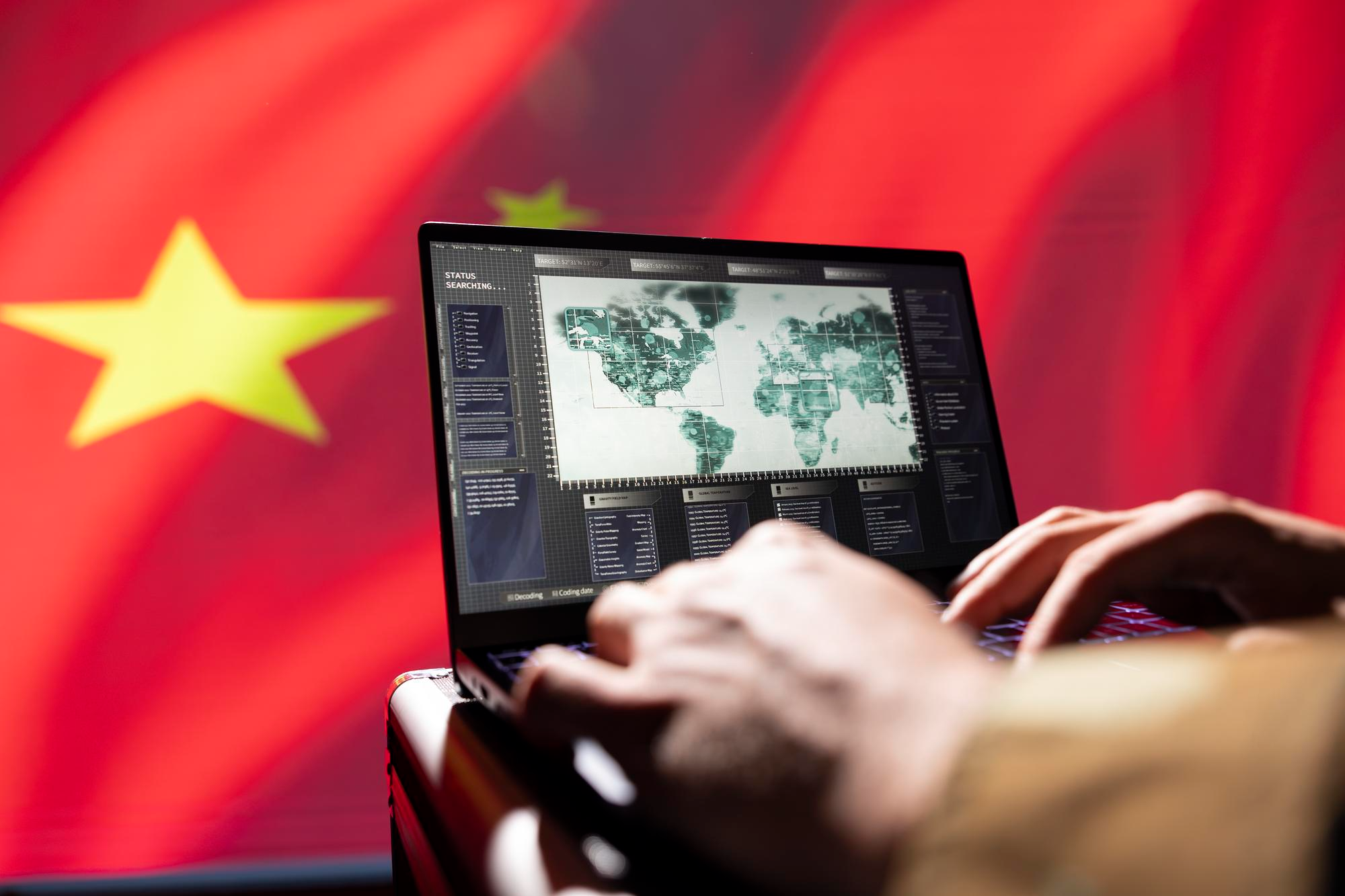
The US Treasury Department could impose sanctions on Chinese artificial intelligence companies if an examination finds that their models were developed using stolen American intellectual property. Treasury Secretary Scott Bessent said the administration supports open models but would act against companies found to have copied technology from US developers.
Bessent’s comments follow the growing popularity of advanced Chinese systems, including Moonshot AI’s Kimi K3. The model has performed competitively against leading proprietary systems from OpenAI and Anthropic, while offering developers access to its underlying weights.
Treasury Raises Possibility of Sanctions
Bessent said on Fox Business that US officials would examine overseas models for evidence of intellectual property theft. Companies could face sanctions if investigators determine that they unlawfully extracted capabilities from American AI systems.
The administration has previously accused Chinese organisations of conducting large-scale efforts to obtain knowledge from US models. An April White House directive instructed federal agencies to share information with domestic AI companies about suspected foreign extraction campaigns and consider measures against those responsible.
Reports have also suggested that officials are considering restrictions on advanced Chinese open-weight models. However, accounts differ over whether the administration is preparing a wider ban or focusing on individual companies suspected of misconduct.
Distillation Becomes Central to Dispute
US AI companies have accused some foreign developers of using model distillation without authorisation. Distillation involves training a smaller model to reproduce capabilities or response patterns from a larger system, reducing the computing resources required to operate it.
Whether unauthorised distillation qualifies as intellectual property theft remains disputed. The technique is widely used across the AI industry, including by American developers, and its legal status can depend on how a model was accessed and what contractual restrictions applied.
Microsoft Chief Executive Satya Nadella recently criticised companies that claim fair-use rights when training models on public material but impose restrictive terms on others using their outputs for distillation. He described the difference between those positions as inconsistent.
Chinese Research Strength Draws Attention
Hugging Face Chief Executive Clem Delangue said distillation alone does not explain the improvement of Chinese AI models. He attributed their progress partly to strong research teams and a more collaborative approach to releasing models.
The administration has already limited China’s access to advanced semiconductors through export controls. Sanctions tied to AI model development would extend US scrutiny from the hardware used to train models to the software systems produced with that computing capacity.
Featured image credits: Magnific.com
For more stories like it, click the +Follow button at the top of this page to follow us.