

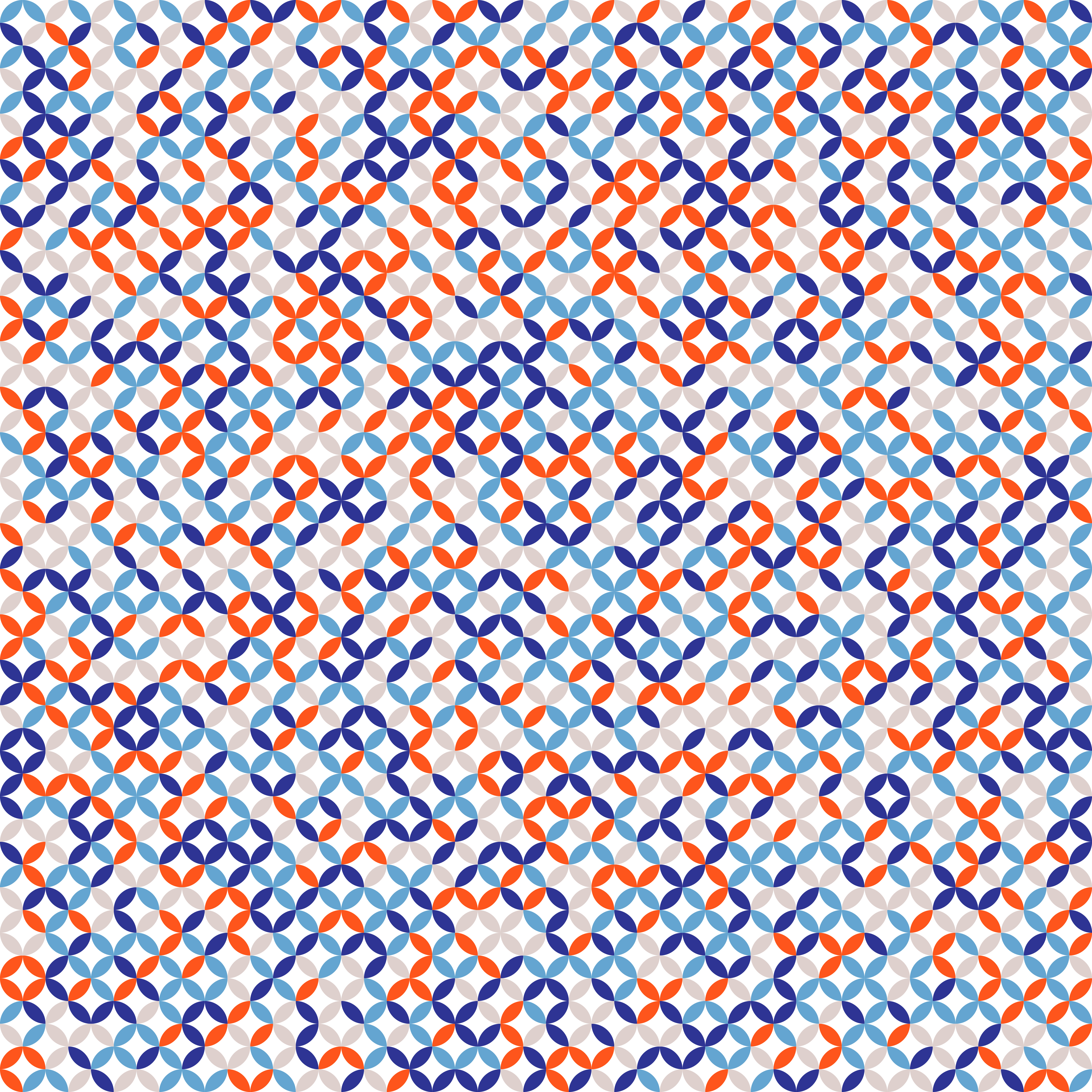
Cybersecurity researcher Bill Swearingen says he has developed computer-generated patterns designed to interfere with AI-powered surveillance systems, including some person detectors and license plate readers. His noRecognition project uses reinforcement learning to generate patterns that can reduce or prevent automated detection without stopping cameras from recording footage.
Swearingen spent about a year testing the approach, running roughly 31 million experiments against multiple detection systems. The patterns are intended to make covered people or objects harder for algorithms to identify, which can prevent automated alerts from being triggered even though the underlying video remains available.
He said the project grew from concerns about the expanding use of surveillance cameras and facial recognition. Swearingen described the patterns as a way for people to opt out of automated tracking in public spaces.
Model Tested Against 11 Detection Systems
The project’s research dashboard says its testing covers 11 surveillance detectors, including a production person detector extracted from a deployed camera. Swearingen’s system repeatedly generates patterns, tests them and adjusts future outputs based on which designs are most effective.
Published noRecognition results remain largely based on digital simulations rather than printed material tested under real-world conditions. The project reports, for example, a 61.7% non-detection rate against one production-grade YOLOv5 detector and a 90% rate against another YOLOv5 test, using held-out digital evaluations.
Swearingen said his model eventually produced patterns capable of defeating multiple algorithms at once. The systems tested include software associated with surveillance products used for license plate detection, body-worn cameras and facial recognition.
First Public Vehicle Test Held at Def Con
Swearingen conducted the project’s first public physical test at the Def Con cybersecurity conference in Las Vegas. With help from Donut Media, the team covered a 2009 Toyota Yaris with one of the generated patterns and tested whether a Flock camera would automatically detect it.
Swearingen said the test was successful, although the vehicle’s wheels presented difficulties. The demonstration does not mean the camera could no longer record the car, only that the automated detection layer reportedly failed to identify it during the test.
The public evidence remains limited because footage, detailed logs and repeated independent physical trials have not yet been released. Donut Media said video of the test would be published later.
Swearingen is also seeking funding to produce clothing carrying the patterns, including T-shirts and hoodies, with vehicle wraps potentially following later. He said his strongest designs are being kept offline so surveillance providers cannot immediately retrain their systems against them, while the model continues generating new patterns.
Featured image credits: Magnific.com
For more stories like it, click the +Follow button at the top of this page to follow us.