

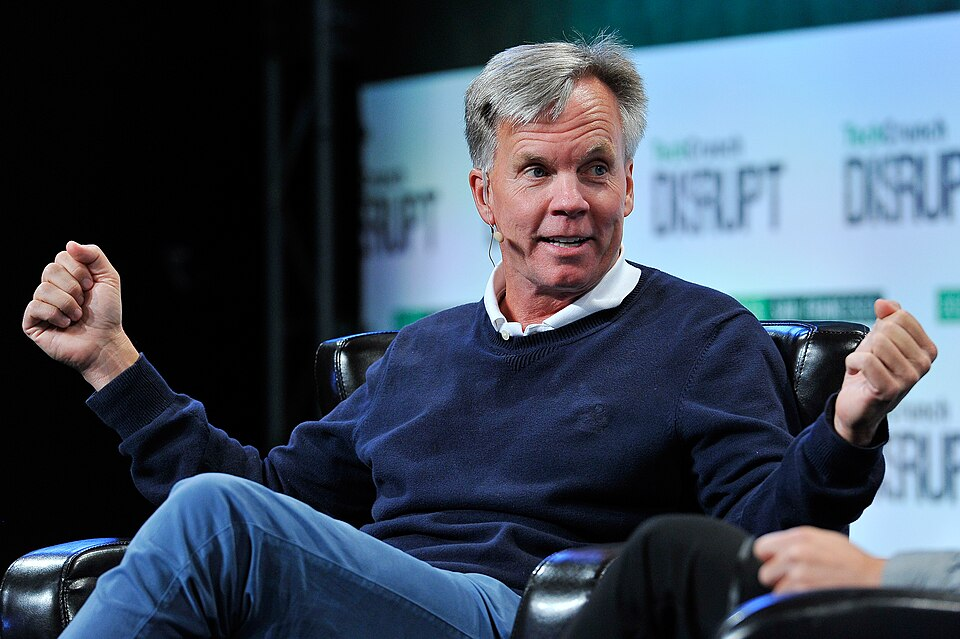
Ron Johnson, the former Apple executive who helped build the company’s retail business, believes AI will change how people research products but will not eliminate the need for physical stores. His view contrasts with growing investment in agentic commerce, where companies including Google and OpenAI are developing AI systems that can help consumers research, compare and sometimes purchase products.
Johnson joined Apple in 2000, when online shopping was expanding rapidly, and helped create a store network where customers could try products, learn how to use them and receive support after purchase. He argues that similar reasons will keep stores relevant even as AI takes on more of the shopping process.
AI May Help Shoppers Decide, Not Decide for Them
Google is supporting agentic commerce through its Universal Commerce Protocol, while OpenAI has added shopping features that let ChatGPT users research and compare products within the chatbot. These systems could reduce the number of steps between deciding what someone needs and completing a purchase.
Johnson expects limits to that automation, particularly for expensive products. He said he does not expect consumers to let an AI agent independently select and purchase a $1,000 or $2,000 laptop without seeing the product first.
A laptop purchase can involve factors that are difficult to assess through software alone, including weight, display quality and physical size. Johnson expects AI to help narrow the choices before customers visit a store rather than replace the experience of handling the product themselves.
Apple’s Retail Model Focused on People
Johnson discusses Apple’s retail strategy in his new book, Shop Different: How Retail Revealed Apple’s Genius. He said competitors frequently copied Apple Store design elements such as open layouts and service counters but did not always reproduce the employee experience that Apple considered central to its stores.
Apple Store workers were not paid through sales commissions, according to Johnson. The approach was intended to reduce pressure to close transactions and encourage employees to focus instead on what customers needed.
Johnson later became CEO of J.C. Penney in 2011 and was removed less than two years later after sales declined. He now says he applied a startup approach to a company that instead required a slower turnaround involving existing employees and customers.
He later founded Enjoy Technology, which brought technology products and setup services directly to customers’ homes. The company filed for bankruptcy in 2022 and sold substantially all of its assets to Asurion.
Johnson remains supportive of AI despite his skepticism toward fully automated shopping. He expects the technology to improve how people gather information, while physical product experience and human judgment continue to influence many purchasing decisions.
Featured image credits: Wikimedia Commons
For more stories like it, click the +Follow button at the top of this page to follow us.