

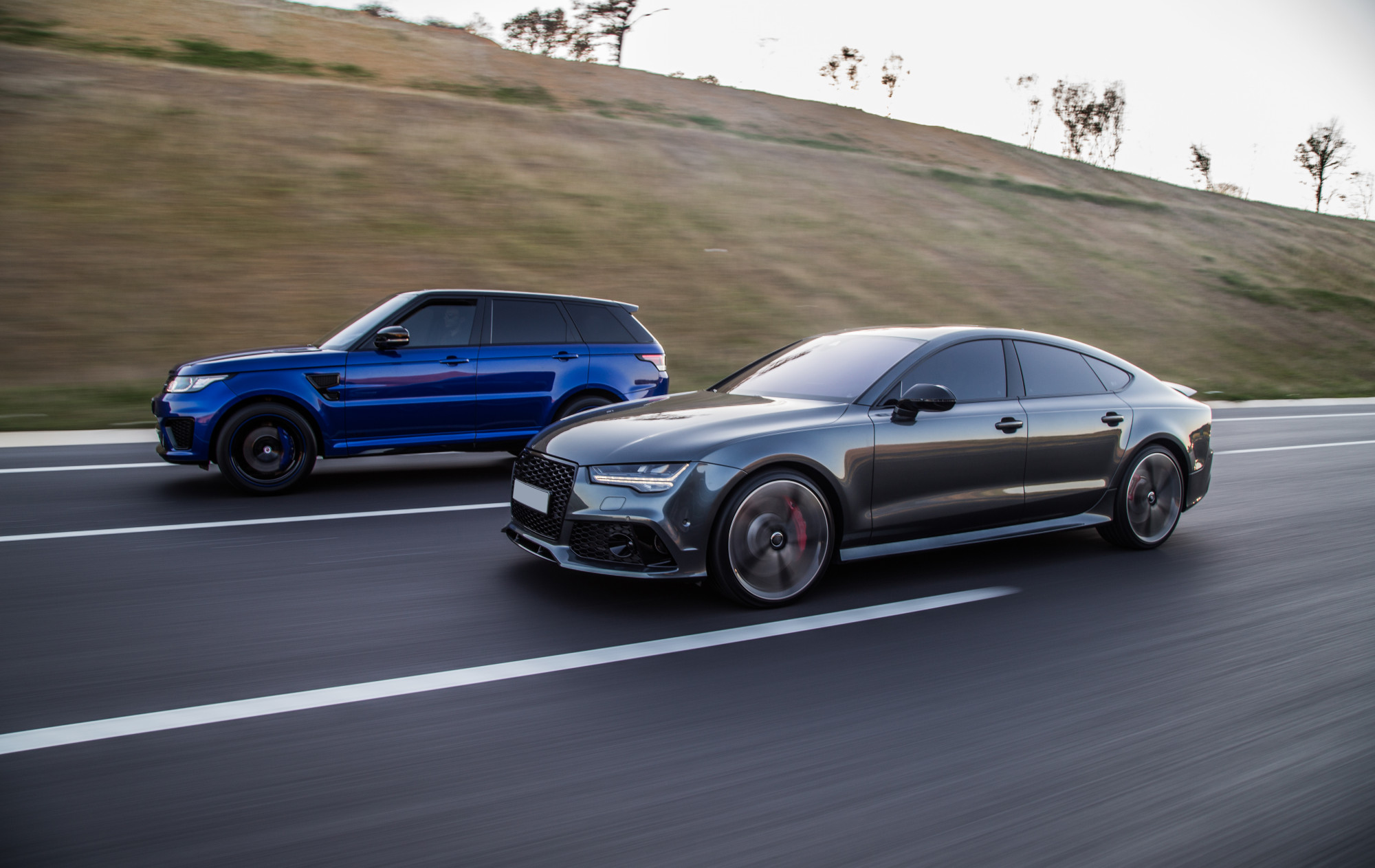
European cities are tightening controls on large vehicles as the growing size and weight of modern cars, a trend some critics describe as “carspreading,” draws pushback from authorities and residents, with Paris and Cardiff among those introducing higher charges based on vehicle weight.
Paris introduces higher parking charges for heavy vehicles
Paris has long struggled with congestion, and city authorities have spent two decades rolling out low-traffic zones, low-emission areas, and measures to encourage public transport and cycling. In October 2024, the city added a new policy targeting large vehicles.
Following a public vote, on-street parking charges for visiting “heavy” vehicles were tripled. The one-hour parking fee in central Paris rose from €6 to €18, while a six-hour stay increased from €75 to €225.
Ahead of the vote, Paris mayor Anne Hidalgo said, “The larger it is, the more it pollutes,” and said the restrictions would help tackle air pollution. Several months later, the city said the number of very heavy vehicles parking on its streets had dropped by two-thirds.
UK councils consider similar measures
Local authorities in other countries are now examining similar steps. Cardiff council has approved higher parking permit costs for vehicles weighing more than 2,400kg, roughly equivalent to the weight of two Ford Fiestas.
The Labour-controlled authority said these vehicles usually produce higher emissions, cause greater road wear, and pose a higher risk in road traffic collisions. The higher charges will initially apply to only a small number of models, but the council plans to lower the weight threshold gradually. Other local councils are considering comparable measures.
Owners say larger vehicles meet practical needs
Some drivers argue that large vehicles remain essential. Matt Mansell, a father of three based in Guildford, runs a technology firm and a property development business. He uses a Land Rover Defender 110 for business and family transport.
“I need to have enough space to put children in, with all of their kit,” he said. “You can fit a door or a three-foot length of pipe in it. It’s very much a utility vehicle, but it’s presentable.”
Lucia Barbato from West Sussex said her second-hand Lexus RX450 hybrid SUV is necessary for moving her family in an area with limited public transport. She operates a marketing agency from home and drives her three sons to the bus stop daily.
“On a Monday morning with three boys, three school bags, three sports kits, and a trumpet in the back, there isn’t even room for the dog,” she said.
Cars continue to grow in size and weight
Data show that both conventional cars and SUVs have become steadily larger. Figures from Thatcham Research indicate the average width of new cars sold in the UK and Europe has increased from 182cm in 2018 to 187.5cm. Average vehicle weight rose from 1,365kg to 1,592kg over the same period.
Earlier data from the International Council for Clean Transportation show that between 2001 and 2020, the average width of cars sold in Europe increased by nearly 10cm, while length grew by more than 19cm.
The standard minimum width of many on-street parking spaces in the UK is 1.8m. Campaign group Transport & Environment (T&E) reported that by the first half of 2023, more than half of the UK’s 100 top-selling cars were slightly wider than that limit.
SUVs dominate the European car market
Sports Utility Vehicles now account for the majority of new car sales in Europe. In 2011, SUVs represented 13.2% of the market across 27 European countries, according to Dataforce GmbH. By 2025, their market share had risen to 59%.
These vehicles range from utility-focused models to family cars and premium designs. Even smaller crossover models tend to be taller and wider than traditional hatchbacks, saloons, and estate cars.
Rachel Burgess, editor of Autocar magazine, said buyers often cite higher driving position, visibility, and perceived safety as reasons for choosing SUVs. She added that the increased height makes it easier to get children in and out of the car and improves accessibility for less mobile drivers.
SUVs also dominate premium brands. Porsche’s Cayenne SUV and Macan crossover are now its best-selling models. Bentley said its Bentayga SUV made up 44% of total sales last year. Lamborghini relies heavily on sales of its four-wheel-drive Urus.
Profit incentives encourage larger vehicle production
David Leggett, editor of industry intelligence service Just Auto, said manufacturers benefit financially from producing larger vehicles. He said profit margins tend to be higher on more expensive vehicles due to fixed costs associated with manufacturing.
Daniele Ministeri, senior consultant at JATO Dynamics, said many SUVs share their core mechanical platforms with conventional cars. Differences are often limited to body design, suspension, and seating height, allowing higher prices without proportional cost increases.
Safety rules and design changes add to vehicle growth
Even conventional cars have grown. The current Volkswagen Golf hatchback is 9cm wider and 22cm longer than the model sold in the mid-1980s and is several hundred kilograms heavier.
Alex Thompson, principal safety engineer at Thatcham Research, said early-2000s vehicles had limited crash energy absorption. He said safety upgrades required stronger structures, additional airbags, and reinforced cabins, all of which added weight.
David Leggett added that manufacturers also seek to expand interior space and add more features, placing further pressure on vehicle dimensions.
Safety concerns for pedestrians and cyclists
While larger cars may offer more protection for occupants, critics argue they increase risks for others. Tim Dexter, vehicles policy manager at T&E, said occupants of other vehicles and pedestrians face a higher risk of serious injury in collisions with larger cars.
Research published in 2023 by Belgium’s Vias Institute found that a 10cm increase in bonnet height could raise the risk of death for vulnerable road users by 27%. T&E also said higher bonnets can increase blind spots.
Alex Thompson said taller vehicles are more likely to cause severe injuries to pedestrians and cyclists, though he added that recent vehicle designs place stronger emphasis on protection for vulnerable road users. Some manufacturers have introduced external airbags to reduce injury severity.
Featured image credits: Freepik
For more stories like it, click the +Follow button at the top of this page to follow us.