

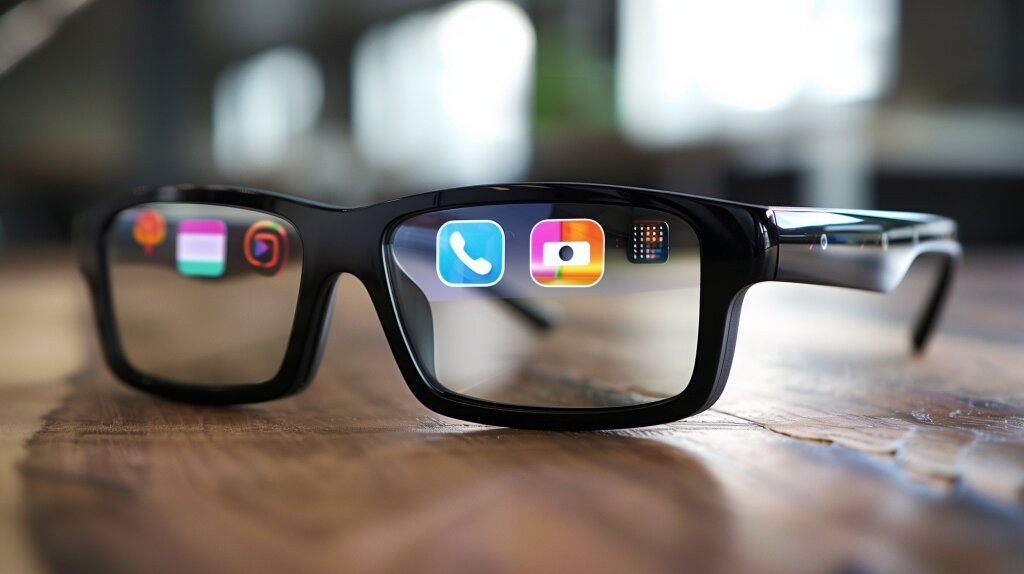
A new Android app called Nearby Glasses aims to alert users when someone nearby may be wearing Bluetooth-enabled smart glasses or other always-recording devices, as debate intensifies over wearable surveillance technology.
The app scans for Bluetooth signals emitted by devices such as smart glasses produced by Meta, Oakley and Snap. Its launch comes amid growing resistance to devices that can record or process information about bystanders without their consent.
Developer Cites Surveillance Concerns
The app was created by Yves Jeanrenaud, who previously discussed the project with 404 Media. Jeanrenaud said he was motivated in part by reporting on wearable surveillance devices, including accounts of Meta’s Ray-Ban smart glasses being used in immigration raids and to film and harass sex workers.
On the app’s project page, Jeanrenaud described smart glasses as an “intolerable intrusion, consent neglecting, horrible piece of tech.”
In an email to TechCrunch, he said his motivation stemmed from “witnessing the sheer scale and inhumane nature of the abuse these smart glasses are involved in.” He also referenced Meta’s decision to introduce face recognition as a default feature in its smart glasses, which he said could enable privacy-invasive behaviour.
How The App Works
Nearby Glasses listens for nearby Bluetooth signals containing manufacturer identifiers unique to specific device makers. When it detects a signal associated with hardware from companies such as Meta or Snap, it sends an alert to the user.
The app also allows users to input additional Bluetooth identifiers, expanding detection to other devices. During testing, adding the identifier 0x004C enabled detection of nearby devices manufactured by Apple, which resulted in numerous alerts in a typical urban environment.
Jeanrenaud acknowledged that the app may produce false positives. For example, it could detect a Meta virtual reality headset and flag it as a pair of smart glasses from the same manufacturer. However, VR headsets are generally more visible and identifiable to observers.
Limitations And Future Plans
In a city test, the app did not detect any smart glasses wearers. Jeanrenaud said he is continuing to add features and noted interest in an iPhone version, though development would depend on available time.
He described the app as a technical response to what he views as a broader social issue amplified by technology, calling it a “desperate act of resistance” intended to assist users concerned about nearby recording devices.
Featured image credits: ccnull.de
For more stories like it, click the +Follow button at the top of this page to follow us.