

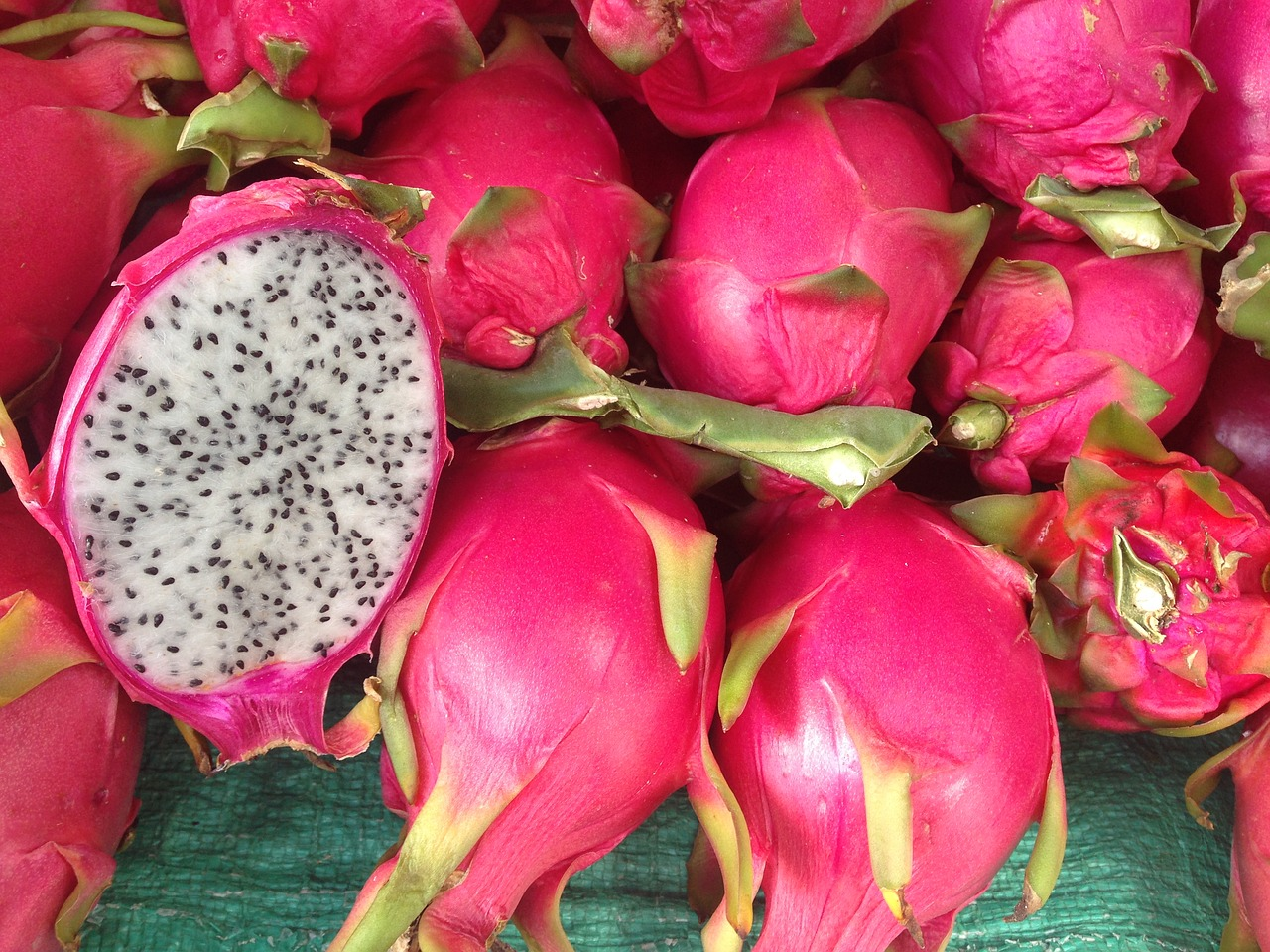
Farmers in India are increasingly adopting dragon fruit cultivation as a higher-return alternative to traditional crops, with new entrants and researchers driving its expansion across multiple regions.
Arun Srinivas is among those who have shifted into the crop. In 2020, he left a finance career, sold personal assets, and invested in his family’s farm in Karnataka to begin cultivating dragon fruit.
Shift From Traditional Crops To Dragon Fruit
Previously growing coconuts and mangoes, Srinivas chose dragon fruit after studying its financial potential, water requirements, and disease resistance. He visited dozens of farms and assessed risks and returns before making the transition.
He now cultivates the crop on 11 acres, producing around 220 tonnes annually.
Dragon fruit, a climbing cactus originally from Central America, is typically grown on vertical supports such as concrete pillars with rings for the vines to hang over. Vietnam remains the world’s largest producer, though India has been expanding cultivation.
Rising Adoption And Research Support
According to G Karunakaran, the fruit was introduced to India around 2009, with structured research beginning between 2013 and 2014. Adoption increased after 2021 as awareness of its income potential spread.
Karunakaran said the crop offers continuous harvesting over six months, providing a steady income compared to seasonal fruits like mangoes. Yields can reach up to 15 tonnes per acre under certain conditions.
Farming Challenges And Local Adaptation
Dragon fruit cultivation presents specific challenges. The plant blooms at night, and some varieties require manual pollination during nighttime hours.
Srinivas uses honey bees to support pollination, while Cheradeep Ma, who operates in Kerala, has adopted self-pollinating varieties to avoid risks from wildlife during night work.
Ma transitioned from coffee and pepper farming in 2020 and now manages between 80 and 100 varieties, selling both fruit and plant stock to other farmers.
Focus On Varieties And Market Preferences
Sunila Kumari has been working to identify high-performing varieties suited to Indian conditions. After collecting samples across the country, she selected plants that produce larger fruits and higher yields.
Indian consumers show a preference for red-flesh dragon fruit varieties, which tend to command higher prices due to their appearance and flavor.
Production Gaps And Infrastructure Needs
Despite growth, India’s production levels remain below global benchmarks. Kumari said yields typically range from 15 to 25 tonnes per hectare, compared to more than 30 tonnes internationally.
She highlighted the need for improved cultivation methods, including higher-density planting systems and better canopy management. Post-harvest infrastructure, such as pre-cooling facilities and cold-chain logistics, is also required to support exports to international markets.
Researchers and farmers say the sector is at a stage where further development will depend on investment in both agricultural practices and supply chains.
Featured image credits: needpix.com
For more stories like it, click the +Follow button at the top of this page to follow us.