

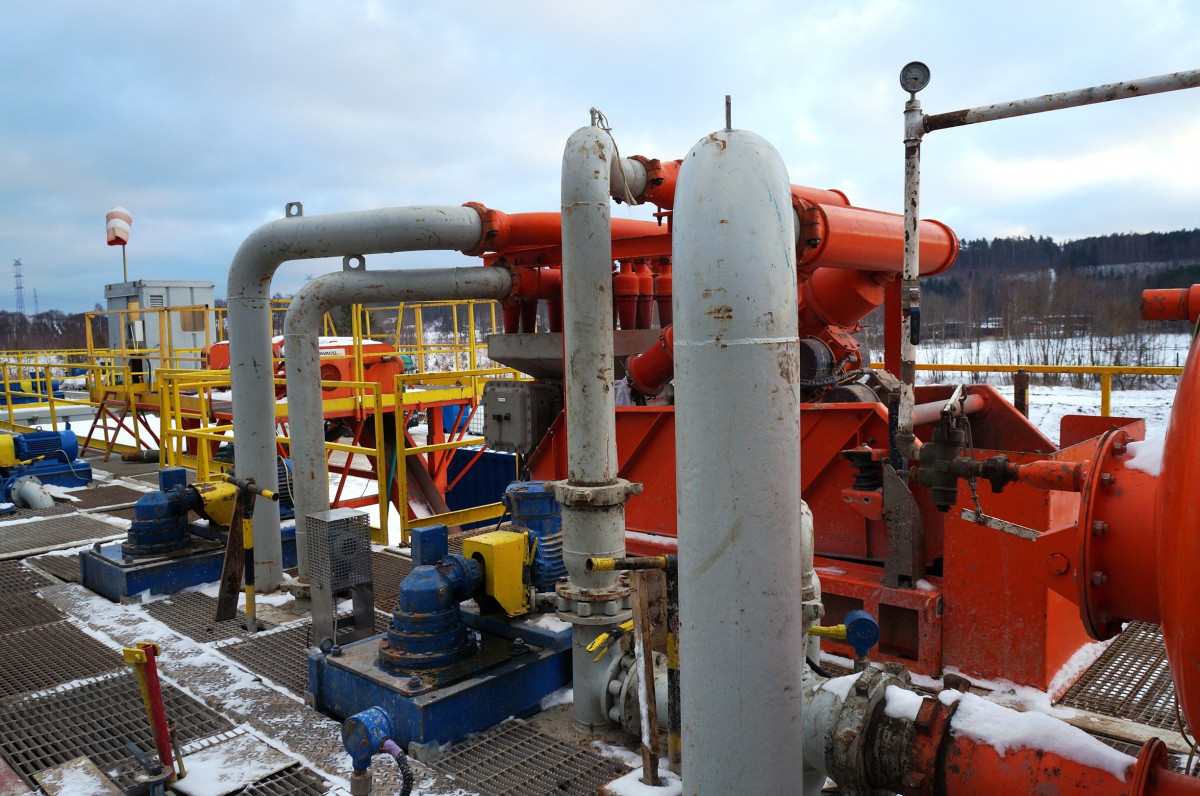
Major technology companies are accelerating investments in natural gas power infrastructure to support growing energy demands from AI data centers, as competition for computing capacity drives a parallel race to secure reliable electricity sources.
Microsoft Google And Meta Expand Gas Power Projects
Microsoft is working with Chevron and Engine No. 1 to build a natural gas power plant in West Texas that could scale to 5 gigawatts of capacity.
Google confirmed a separate project with Crusoe to construct a 933-megawatt gas-powered facility in North Texas.
Meta has announced plans to add seven additional natural gas power plants to its Hyperion data center in Louisiana, bringing total capacity at the site to 7.46 gigawatts.
These developments reflect a broader push among data center operators to secure dedicated energy supplies as AI workloads expand.
Southern US Becomes Focal Point For Energy Supply
The investments are concentrated in regions of the southern United States with significant natural gas reserves. Estimates from the U.S. Geological Survey indicate that certain areas hold enough gas to supply the entire country for months.
As demand rises, companies are seeking direct access to these resources to support large-scale data center operations.
Equipment Shortages And Rising Costs Emerge
The increased demand for natural gas infrastructure has contributed to shortages of key equipment such as turbines. Consultancy Wood Mackenzie estimates turbine prices could rise by 195% compared with 2019 levels.
Turbines account for roughly 20% to 30% of a power plant’s cost, and delivery timelines have extended to as long as six years. New orders may not be fulfilled until 2028, reflecting supply constraints in the sector.
Supply Limits And Market Risks Remain
While U.S. natural gas supplies are substantial, production growth in major shale regions has slowed. These regions account for a large share of national output, raising questions about long-term supply stability.
The terms of energy agreements between tech companies and suppliers have not been disclosed, leaving uncertainty over how firms will be affected by potential price fluctuations.
Natural gas currently generates about 40% of U.S. electricity, according to the Energy Information Administration, linking electricity costs closely to gas prices.
Broader Impact On Energy Markets And Industry
Some companies are developing “behind-the-meter” power systems that connect directly to data centers rather than the public grid. While this approach may reduce reliance on grid infrastructure, it does not eliminate demand on natural gas supply chains.
Increased consumption by data centers could affect pricing and availability for other industries that rely on natural gas and have fewer alternatives.
Weather-related disruptions also present risks. Events such as extreme winter conditions can reduce supply while increasing demand, as seen during past cold-weather incidents in Texas.
The growing reliance on natural gas highlights the physical constraints associated with expanding digital infrastructure, as energy supply becomes a central factor in scaling AI systems.
Featured image credits: PxHere
For more stories like it, click the +Follow button at the top of this page to follow us.