

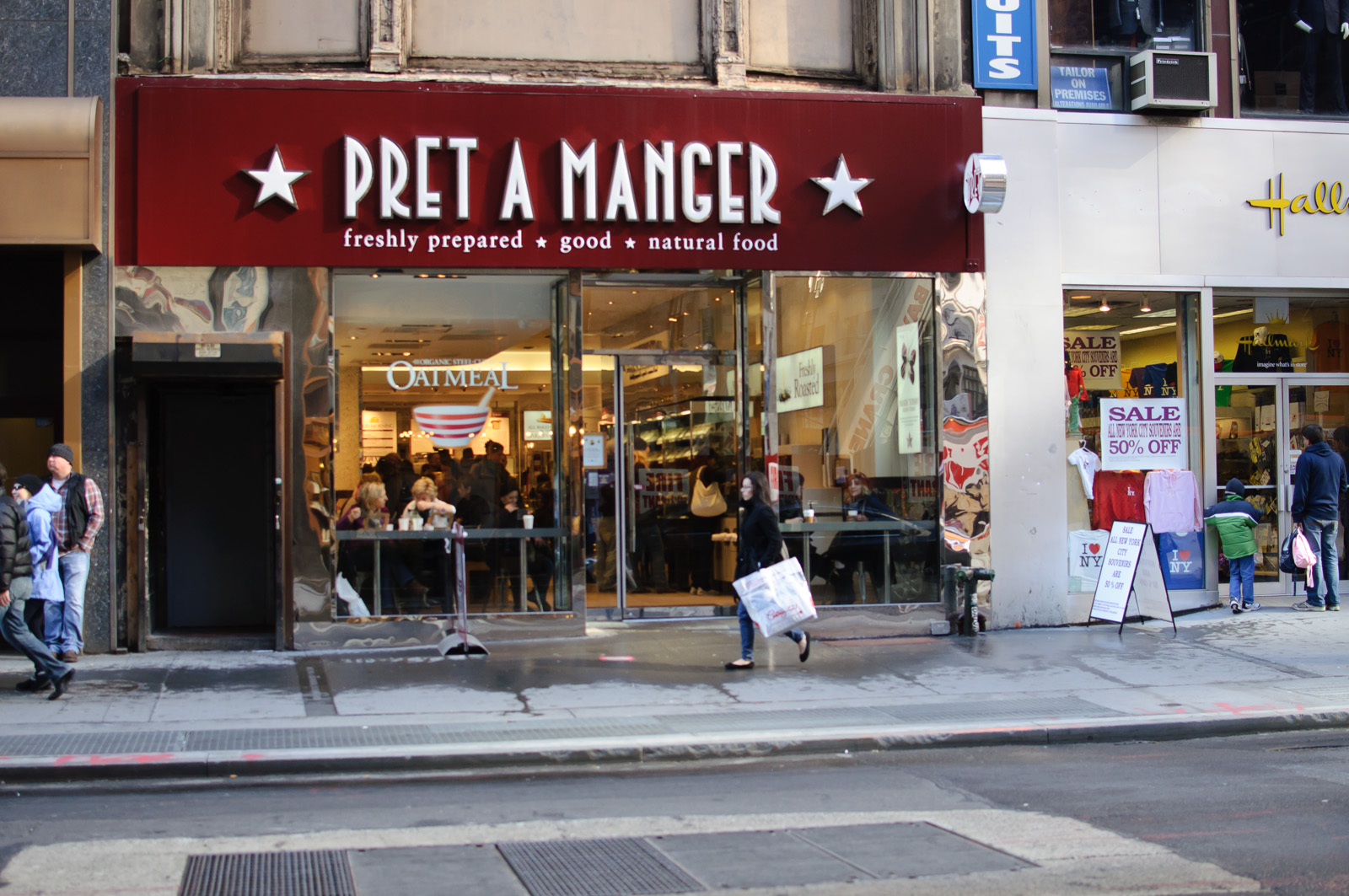
Pret A Manger is adapting its pricing, menu, and store strategy as customer habits evolve around health, hybrid work, and value, while the business faces ongoing cost pressures and changing commuter patterns.
Changing Customer Preferences And Menu Trends
Chief executive Pano Christou said customers are increasingly seeking healthier options, with rising demand for salads and protein- and fibre-focused meals. The company’s “Super Plates” salad range, priced up to £12.95, exceeded expectations, with sales running about 40% higher than forecast.
Despite this shift, bread-based items remain dominant, accounting for more than half of Pret’s top 20 products last year, while none of the salads made that list. Christou said salads are often purchased later in the day, positioning them as an evening meal option.
Pricing Strategy And Subscription Model Changes
Pret continues to address perceptions around pricing through its subscription service. Originally launched during the pandemic at £20 per month for up to five free drinks daily, the model has since been revised. The current plan costs £5 per month and offers up to five half-price drinks per day.
Christou said subscriptions have grown by nearly 25% over the past year. The company has also been testing meal deals in selected locations, adjusting pricing to gauge customer response.
Competitors such as Costa Coffee offer meal bundles, including a drink and toastie for £6.49, with optional add-ons.
Impact Of Hybrid Work On Store Performance
Hybrid working continues to affect foot traffic, particularly in city centre locations where many Pret stores are concentrated. Fridays remain quieter, and Christou said a full return to five-day office attendance is unlikely.
The company is gradually shifting toward more residential locations, though changes to its store footprint are limited by existing leases and infrastructure. Retail analyst Jonathan De Mello noted that a large portion of Pret’s estate remains tied to commuter-heavy areas.
Cost Pressures And Financial Performance
Pret reported a 2.8% increase in like-for-like sales for 2024 but recorded a significant loss following a £500 million writedown linked to a reassessment by its owner JAB Holding Company. The adjustment reflected economic uncertainty and additional costs from government budget measures.
The company also faced approximately £20 million in increased costs due to food price inflation but did not pass these increases on to customers.
External Factors Affecting Operations
Rising fuel costs linked to geopolitical tensions, including the conflict involving Israel and Iran, have increased operating expenses, particularly for logistics supplying Pret’s 550 UK locations. Christou said there are currently no supply disruptions but acknowledged ongoing volatility.
Outlook On Pricing And Consumer Demand
Pret has not implemented price increases in response to recent cost pressures, citing customer sensitivity to value. However, Christou said sustained disruption could eventually affect pricing decisions.
At the same time, the company continues to balance demand for affordability with interest in higher-value offerings, reflecting broader shifts in consumer behavior.
Featured image credits: Wikimedia Commons
For more stories like it, click the +Follow button at the top of this page to follow us.