

Chinese automakers are pulling ahead in electric vehicles, batteries, design, and software, forcing US, European and Japanese manufacturers to rethink partnerships and production strategies. Factory visits in Beijing and Hefei show rapid automation and software development that many foreign brands say they cannot match, and executives warn the industry faces an urgent competitive challenge.
Factory Automation And Speed
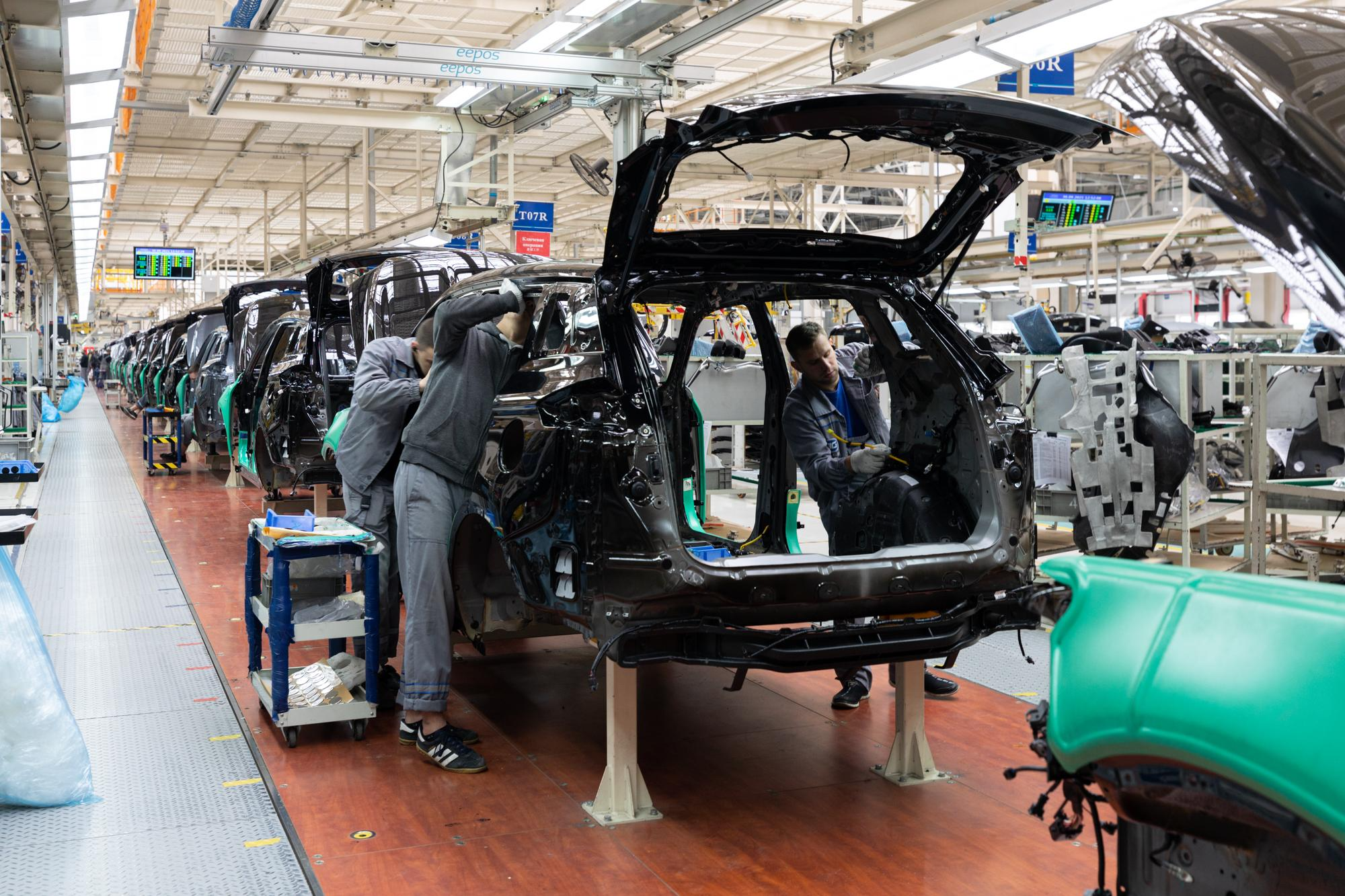
Reporters saw high levels of automation in Chinese plants, including production lines where a car rolls off every 76 seconds. Xiaomi’s factory outside Beijing and Nio’s Hefei plant demonstrate tightly integrated manufacturing and rapid software iteration that shorten development cycles.
Cost And Supply-Chain Advantages
Analysts point to lower battery costs and dense supply chains: the International Energy Agency estimates producing a small electric SUV is at least 30% cheaper in China than in advanced economies. Rhodium Group data show China now leads exports in more than 315 product categories tied to EV supply chains, up from 163 in 2016.
State Support And Competition
Years of state subsidies channelled into EV and battery manufacturing helped Chinese firms scale quickly and lower prices, while intense domestic competition among incumbents and tech entrants accelerated innovation. Tech companies such as Xiaomi, Huawei and Alibaba now build cars and integrate consumer tech into vehicles.
Software And Mobility Technology
The shift to software-driven vehicles gives Chinese firms an edge as they combine in-car systems with phones, apps and smart-home ecosystems. Volkswagen’s recent $700m deal for access to XPeng’s software architecture highlights foreign firms’ need to buy capabilities they cannot develop fast enough internally.
Product And Technology Examples
BYD has developed ultra-fast charging systems adding roughly 400 km in about five minutes, while XPeng prioritises humanoid robotics and flying-car concepts alongside EVs. Tesla exports Shanghai-built Model 3s to Europe, and BMW sells China-made electric Minis overseas, reflecting China’s role in global supply.
Market Share And Financial Effects
Foreign brands’ share of China’s market fell from 64% in 2020 to 32% this year, according to Automobility, pressuring profits at GM and German manufacturers. Luxury segments are shifting as well: Huawei’s Maextro S800 outsold high-end imports like Porsche and BMW models combined in China’s market above $100,000.
Changing Partnerships
Longstanding joint-venture models are evolving into technology and design partnerships. Stellantis signed a €1bn deal with state-backed Dongfeng to produce Peugeot and Jeep models in China and bring Dongfeng’s Voyah to Europe, while some foreign makers plan to adopt Chinese-designed vehicles in overseas plants.
Global Expansion And Trade Barriers
Chinese manufacturers are expanding abroad into Europe and emerging markets despite tariffs. Chery’s Jaecoo 7 became a UK bestseller within 14 months, while high EU tariffs and even larger US tariffs limit access to the US. Experts warn tariffs merely redirect exporters to other markets.
Risks And Industry Pressure
China’s domestic market is cooling, and overcapacity plus price wars are squeezing margins, prompting firms to expand internationally. Observers caution that the shift of production, battery innovation, and software capability toward China could harm manufacturing hubs in Southeast Asia and Europe and affect local jobs.
Featured image credits: Magnific.com
For more stories like it, click the +Follow button at the top of this page to follow us.