

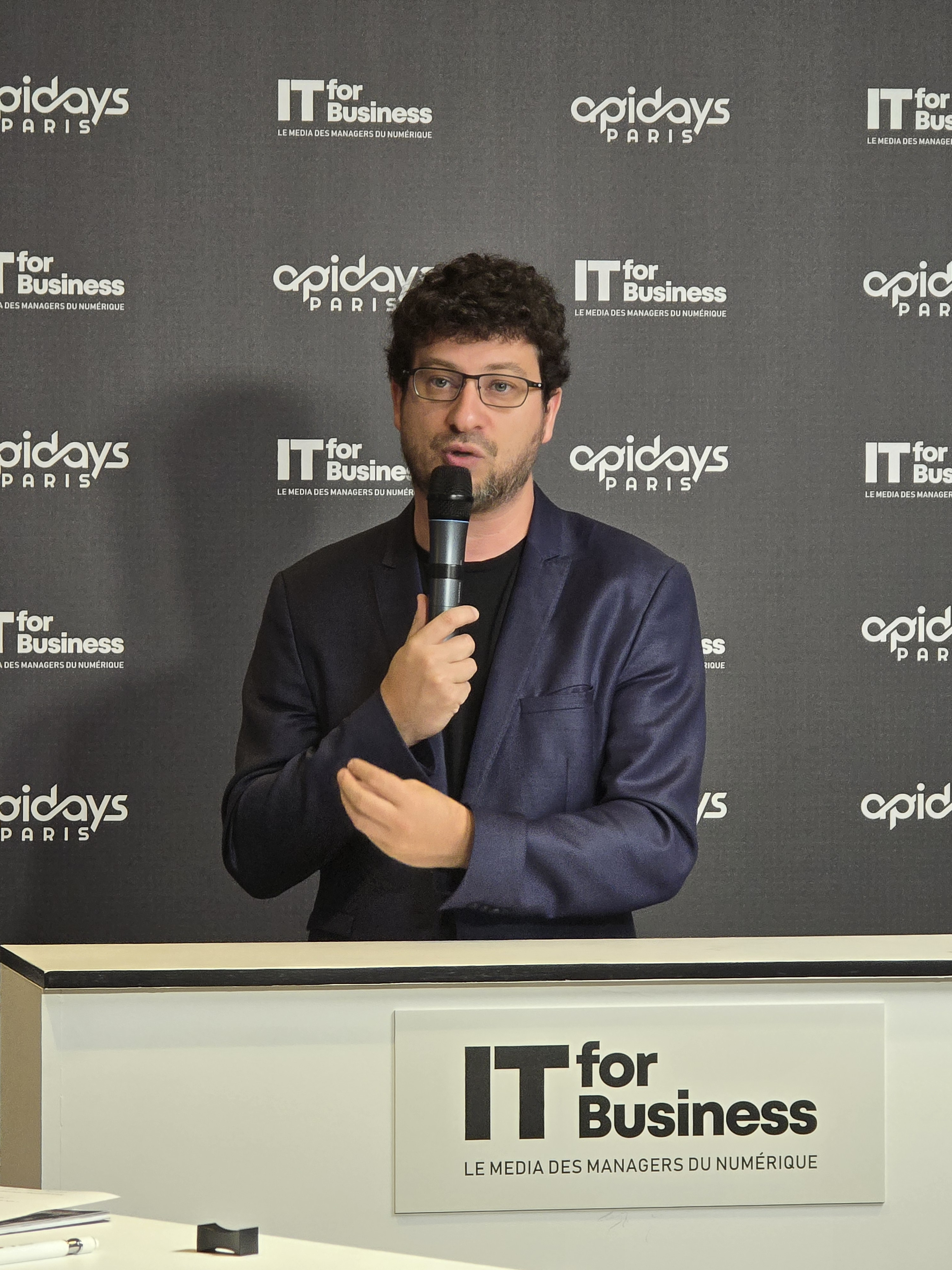
Jean-Baptiste Kempf, the lead developer behind VLC Media Player, has raised $5 million for Kyber, a Paris-based startup developing real-time infrastructure for remotely controlling robots, drones, and other connected machines.
Lightspeed led the seed round, with participation from OVNI Capital and Kima Ventures. Kyber plans to use the funding to expand its product and support commercial deployments across robotics, telecommunications, defence, and AI.
Kyber Synchronises Video, Sensors, and Controls
Kyber’s main product is a software development kit that synchronises video, audio, sensor information, and control inputs while minimising delay. The system is designed for situations where an operator, computing infrastructure, and physical machine are located in different places.
Kempf said low latency is essential when software controls equipment in the physical world because even small delays can affect accuracy and safety. The startup takes its name from the fictional crystals used to power lightsabers in Star Wars, reflecting its focus on speed.
Its technology builds on Kempf’s experience with video streaming and open-source projects such as VLC and FFmpeg. Kyber began as a side project while he was chief technology officer at cloud gaming company Shadow.
The software can adjust its performance based on the processing power and network conditions available on each device. This could allow companies to control anything from a small group of machines to fleets containing millions of connected devices.
Open-Source Software Supports Enterprise Product
Kyber is making its core technology open source, allowing developers to use and adapt it without becoming paying customers. The company sells an enterprise version with additional operational and deployment support.
It also provides forward-deployed engineers who work directly with customers to integrate the platform into their systems. Kyber currently employs about 25 people and has offices in Paris, San Francisco, and Singapore.
The startup is prioritising three areas: robotics, drones, and remote IT access. Kempf said demand has been particularly strong for remote access, where companies need to operate devices, diagnose problems, and install software without sending employees to each location.
Fleet Management Creates New Reliability Demands
Some vehicle and robotics companies have already built their own remote-control systems, but Kempf believes those tools may struggle as fleets grow. Existing deployments may manage several thousand machines, while future networks could include hundreds of thousands or millions.
Managing fleets at that scale also requires observability tools that show whether each machine, connection, and software component is working correctly. This becomes more important when AI agents, rather than human operators, oversee large numbers of devices.
Lightspeed said Kyber is building the protocol layer connecting people and AI systems to machines in real time. The investor described reliable underlying infrastructure as essential to the growth of physical AI.
Featured image credits: Wikimedia Commons
For more stories like it, click the +Follow button at the top of this page to follow us.