

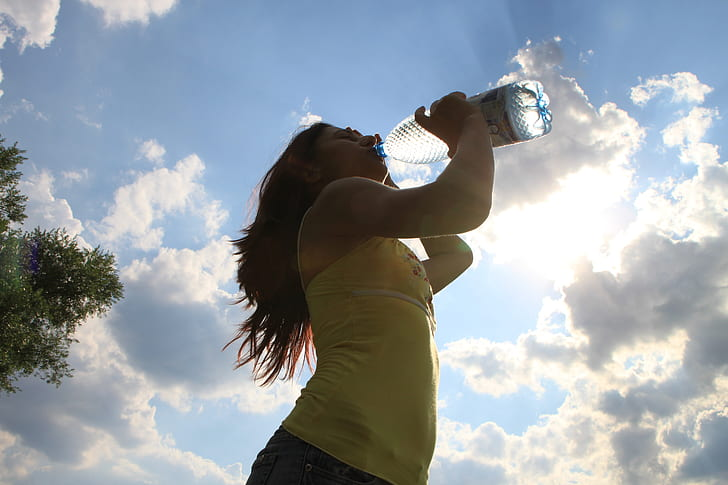
Hydration-monitoring devices are attracting more attention as rising temperatures and public health campaigns encourage people to monitor their fluid intake. Products now range from sweat-sensing wearables and smart water bottles to devices that analyse urine from a toilet bowl.
The discussion has become especially visible during the 2026 FIFA World Cup, where three-minute hydration breaks take place midway through each half of every match. FIFA introduced the mandatory pauses to protect players during the tournament’s hot and humid conditions across Canada, Mexico, and the United States.
Sweat Sensors Promise Early Warnings
Epicore Biosystems develops patches and wearable bands that measure sweat rate, sodium loss, skin temperature, and movement. Some models alert users when their data suggests that they should drink more fluids.
The company markets the devices to athletes and workers exposed to heat at construction sites, airports, and energy facilities. Its latest armband combines real-time sweat measurements with an app that calculates what Epicore calls hydration readiness.
University of Thessaly researcher Andreas Flouris said sweat monitors may work better during sustained activities such as long-distance running than during sports involving frequent changes in intensity. He said some devices evaluated in his laboratory had not achieved the accuracy researchers expected, although those findings have not yet been published.
Epicore chief executive Roozbeh Ghaffari said the company has published peer-reviewed research supporting its technology. He acknowledged that measurements taken during activities lasting less than 20 minutes can be difficult, but said the devices perform more effectively during sessions of at least 30 minutes.
Smart Bottles Focus on Habit Building
WaterH sells smart bottles that use lights and app notifications to remind owners to drink. Sensors estimate consumption by measuring the bottle’s angle and the flow of water leaving it.
The company says users may need to recalibrate the bottle when its measurements appear inaccurate. Its app also includes points, progress tracking, and social features intended to make regular drinking easier to maintain.
Vivoo takes a different approach with a toilet-mounted device that uses optical sensors to estimate urine-specific gravity. Denser urine can indicate lower hydration, although the company states that its products are intended for general wellness rather than medical diagnosis.
Urine measurements are commonly used in hydration research, but changes may not appear immediately after a person becomes dehydrated.
More Data May Not Help Everyone
Wayne State University researcher Tamara Hew-Butler said hydration technology could be useful for identifying athletes or workers who might not report symptoms themselves. Coaches could use the data to detect individuals who may need additional fluids or rest.
However, she warned that constant health measurements, reminders, and targets could increase anxiety for some users. Avoiding both dehydration and excessive fluid intake remains important, but hydration needs vary between people and activities.
Featured image credits: PickPik
For more stories like it, click the +Follow button at the top of this page to follow us.