

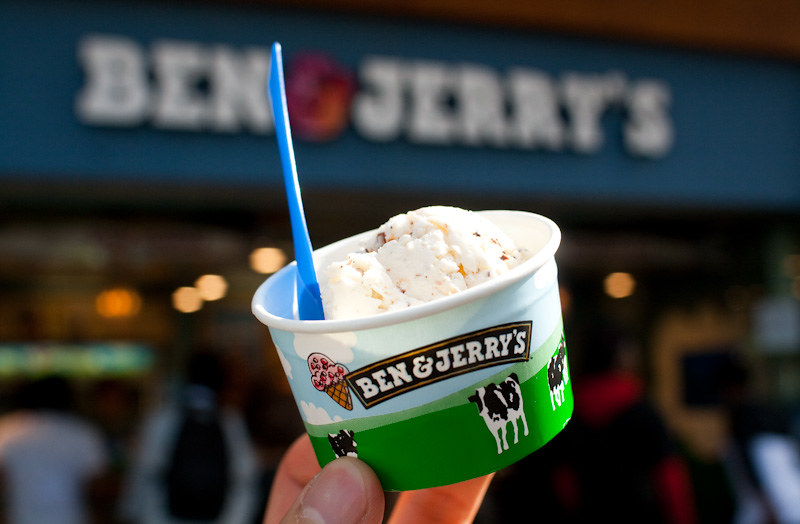
Ben & Jerry’s co-founder Ben Cohen has said the ice cream brand could be “destroyed” if it remains under the ownership of the Magnum Ice Cream Company, as tensions escalate over control of the brand’s social mission and the independence of its board.
His remarks follow the formal spin-off of Magnum from Unilever, with the new company beginning to trade on European stock markets on Monday.
Background to the Ownership Structure
Ben & Jerry’s was sold to Unilever in 2000 under an agreement that allowed the brand to retain an independent board and control over decisions related to its social mission.
Since the sale, disputes have repeatedly surfaced between the Vermont-based company and its corporate owners. Those tensions are now carried over to Magnum, which inherited the business from Unilever as part of the demerger.
A spokesperson for Magnum said the company wants to build and strengthen Ben & Jerry’s “powerful, non-partisan values-based position in the world.”
Recent Board Dispute and Audit Findings
Last month, ahead of the spin-off, Magnum said that Anuradha Mittal, chair of Ben & Jerry’s independent board since 2018, “no longer meets the criteria to serve,” citing the results of an internal audit.
Magnum said it found “a series of material deficiencies in financial controls, governance and other compliance policies, including conflicts of interest,” and added that trustees had not fully addressed the issues identified.
In a statement to Reuters, Ms Mittal rejected the findings, describing the audit as a manufactured inquiry designed to discredit her. She said it was an attempt by Unilever to undermine the authority of the board itself. The BBC has contacted Ben & Jerry’s for comment on this statement.
Cohen said Magnum has no authority to decide who chairs the independent board and argued that by attempting to do so, the company is “not fit to own Ben & Jerry’s.”
Long-Running Clashes Over Social Activism
Disagreements over the brand’s political and social positions have intensified in recent years. In 2021, Ben & Jerry’s stopped selling its products in Israeli-occupied territories, prompting Unilever to sell its Israeli operations to a local licensee.
In October, Cohen said the company was prevented from launching a product that expressed “solidarity with Palestine.”
Cohen said he wants the brand either to be owned by investors who support its values or for Magnum to reverse course and publicly back the independence of the board.
Ahead of the spin-off, Reuters reported that Ms Mittal had no plans to step down.
Founders’ Positions and Leadership Changes
Cohen remains an employee of Ben & Jerry’s and is still its most prominent public spokesperson. He said he fears the brand’s loyal customer base will be lost under the current ownership structure.
“If the company continues to be owned by Magnum, not only will the values be lost, but the essence of the brand will be lost,” he told the BBC.
On Sunday, Magnum chief executive Peter ter Kulve told the Financial Times that the brand’s founders are in their seventies and will at some point need to hand over to a new generation of leadership.
Ben & Jerry’s co-founder Jerry Greenfield left the company in September after nearly 50 years, citing concern that the company’s social mission was being constrained.
Cohen said the dispute is about adherence to a legally binding agreement tied to the 2000 sale.
Market Impact of the Spin-Off
Magnum’s primary shares opened at €12.20 on their first day of trading in Amsterdam, below the €12.80 reference price set by Euronext. The stock later recovered and closed up 1.3%.
The spin-off makes Magnum the world’s largest standalone ice cream company.
Magnum said Ben & Jerry’s is not for sale and that it has always respected the brand’s commitment to its social mission.
Featured image credits: Flickr
For more stories like it, click the +Follow button at the top of this page to follow us.