

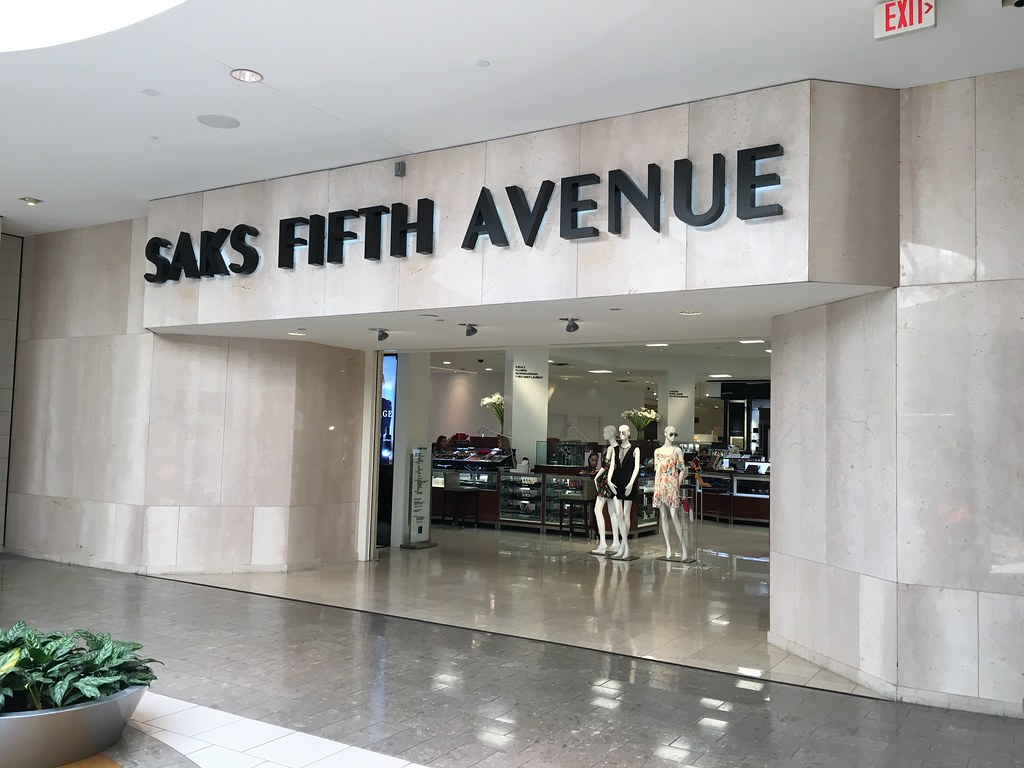
Shoppers browsing luxury handbags and fragrances at Saks Fifth Avenue’s Manhattan flagship in January encountered signs of strain behind the polished displays, as the retailer’s parent company moved into bankruptcy amid mounting debt, inventory shortages, and escalating tensions with suppliers.
Signs Of Trouble Inside Stores
During a recent visit to the midtown Manhattan Saks Fifth Avenue store, customers viewed displays of Balenciaga and Burberry handbags, but availability issues surfaced elsewhere. Penelope Nam-Stephen, a longtime Saks customer who splits her time between New York City and Boston, told the BBC she was unable to find a Diptyque home fragrance at the Boston location shortly after Christmas.
When she asked staff at the New York store whether the Berries fragrance was available, an employee told her all related products, including candles and diffusers, were out of stock.
Bankruptcy Filing And Financing Plan
Saks Global, which owns Saks Fifth Avenue and Neiman Marcus, has filed for Chapter 11 bankruptcy protection as it seeks to stabilise its finances. The company said it secured $1.75 billion (£1.3 billion) in financing from a group of investors led by Bracebridge Capital and Pentwater Capital. The funding is intended to allow Saks Global to continue operating its stores during the restructuring process.
The company also owns Bergdorf Goodman.
Debt Burden Following Neiman Marcus Deal
Saks Global’s financial difficulties intensified after the acquisition of Neiman Marcus in 2024, a $2.7 billion deal that executives said would reduce costs and strengthen the combined luxury retail group. Both department store chains were already facing pressure from high debt levels and shifting consumer behaviour that favoured online competitors.
Saks Fifth Avenue began reporting double-digit quarterly sales declines in early 2023. After the merger, the anticipated operational benefits did not materialise. In late December, Saks missed a $100 million interest payment tied to roughly $2.2 billion in debt taken on to fund the acquisition.
Vendor Frustration And Payment Delays
The missed payment added to growing frustration among vendors, many of whom have reported months-long delays in receiving payments. Several suppliers have halted shipments as a result. Saks did not respond to BBC requests for comment regarding inventory shortages or its plans to pay vendors.
Last February, former chief executive Marc Metrick wrote to vendors saying overdue payments would be made in 12 instalments. The assurance failed to calm concerns, according to vendors interviewed by the BBC.
Hilldun, a finance firm that guarantees orders for about 130 brands working with Saks, said in November it would stop approving new orders. Hilldun chief executive Gary Wassner said all orders remain on hold.
One vendor, who requested anonymity, told the BBC he was owed at least $20,000 in late payments for shipments made last year. He also said more than $35,000 worth of orders have been on hold since October, when Saks instructed him to halt shipments.
Leadership Changes During Restructuring
Leadership changes have accompanied the restructuring. Metrick resigned abruptly in early January. He was replaced by Richard Baker, the company’s executive chairman who led the Neiman Marcus acquisition. Saks later said Baker would step down, with Geoffroy van Raemdonck, the former head of Neiman Marcus, set to assume the role.
Analysts Question Recovery Prospects
Retail analysts and long-time vendors have questioned whether Saks Global can recover from what they describe as strategic missteps. Mark Cohen, former head of retail studies at Columbia Business School, said the company’s problems predated the Neiman Marcus acquisition and traced them back to Baker’s takeover of Saks more than a decade ago.
Cohen said the merger worsened existing issues by adding billions of dollars in debt. He said Saks stopped paying vendors soon after the deal closed, undermining its relationships with suppliers.
Impact On Shoppers
For customers, the company’s financial stress has shown up in reduced inventory, cancelled orders, and online stock shortages. Richard Browne, a marketing consultant in Winston-Salem, North Carolina, told the BBC he noticed increasing numbers of out-of-stock items last summer.
Browne said an order he placed on 1 January for discounted Michael Kors jeans was cancelled the following day because the item had sold out. He said the experience made him less likely to shop at Saks in the future.
In October, Saks cut its full-year financial outlook, citing falling sales partly driven by inventory challenges.
Ongoing Uncertainty
Saks Global has attempted to raise cash by selling assets, including a property in Beverly Hills, but its financial difficulties persist. While a bankruptcy filing does not necessarily mean store closures are imminent, analysts and suppliers continue to question whether the retailer can rebuild trust with vendors and restore stable operations following the merger.
Featured image credits: Wikimedia Commons
For more stories like it, click the +Follow button at the top of this page to follow us.