

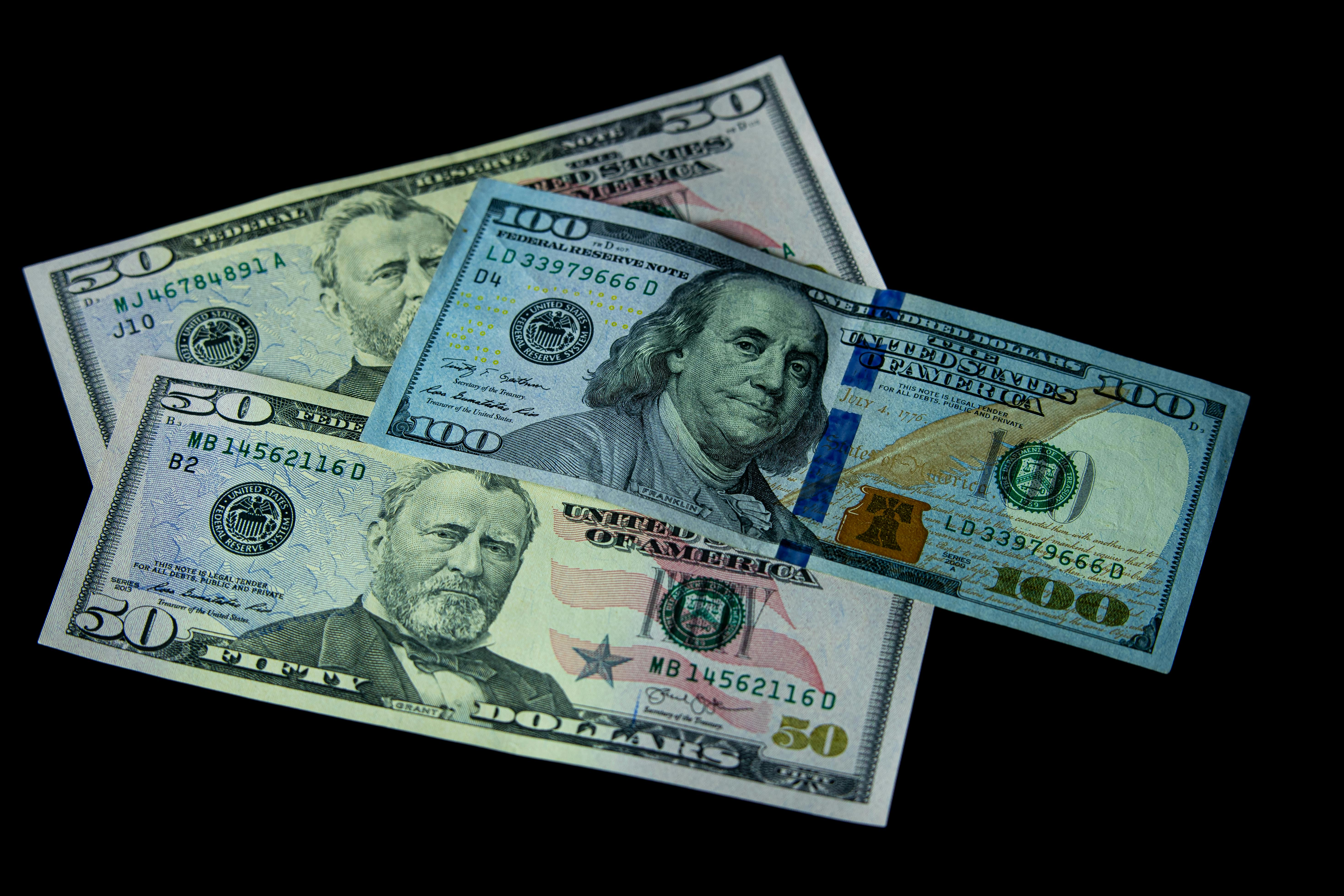
The US dollar has fallen to its lowest point in four years, dropping 3% over the course of a week, with analysts pointing to market concerns over the Trump administration’s erratic policies as a key driver behind the decline.
Weakened Dollar Reflects Growing Concerns
The dollar’s drop has raised questions about the currency’s status and its future direction. As the currency slid against a basket of other major currencies, hitting multi-year lows against both the Euro and the pound, experts speculated that the dollar may continue its decline.
Chris Turner, global head of financial market research at ING, noted that most market participants expect the dollar to weaken further, though the timing remains uncertain. He said, “Most people would think the dollar should, could, and would weaken further this year.”
Impacts On US Purchasing Power
A weaker dollar means reduced purchasing power for Americans, particularly overseas travelers. Analysts warn that if the dollar’s decline continues, it could lead to rising inflation within the US as Americans face higher prices for imports.
Some analysts also questioned whether the dollar’s dominant role as the world’s reserve currency is under threat, as the US faces growing competition from other economies.
Drivers Behind The Dollar’s Decline
The dollar’s decline comes after more than a decade of strength, particularly between 2020 and 2022 when strong post-pandemic growth and high US interest rates fueled demand for the currency. However, last year, the dollar index fell nearly 10%, its worst performance since 2017.
A significant portion of the recent drop occurred after former President Donald Trump’s “Liberation Day” tariff announcements, which created tension between the US and Europe. This month, the dollar continued to lose value amid speculation that the US might consider actions that could weaken the currency further, including coordinated moves with Japan to support the yen.
Geopolitical Factors And Policy Uncertainty
The latest dip in the dollar has been partly attributed to concerns over the Trump administration’s unpredictable policies. Robin Brooks, senior fellow at the Brookings Institution, suggested that markets were reacting to the administration’s inconsistent approach to trade, saying, “The escalation, de-escalation… hurts the US more than anyone else.”
The rise in tensions over Greenland, particularly between the US and Europe, further unnerved investors, according to Thierry Wizman, a strategist at Macquarie. He pointed out that the uncertainty had caused increased volatility and a shift in sentiment towards the dollar.
Global Shifts And Investment Trends
While the dollar has declined, gold prices have surged, doubling over the past year as investors seek a safer investment. At the same time, the Euro and pound have gained against the dollar, and emerging market currencies have also seen a boost. Several pension funds in Europe have reduced their holdings of US Treasuries, signaling a shift away from the dollar.
Despite these trends, Turner of ING cautioned that we are far from a “full ‘sell America’ narrative,” noting that the US stock market is still near record highs, and there has been little movement in the market for US government debt.
Potential Long-Term Effects Of A Weaker Dollar
Looking ahead, analysts expect the dollar to fall another 4% to 5% this year, as growth prospects outside the US improve. Brooks warned that while a weaker dollar might benefit US companies by making exports more competitive, the long-term benefits could be limited if the decline is driven by poor policy decisions.
Trump, who has long advocated for a weaker dollar, recently commented that the currency was “doing great” despite its falls. He has also campaigned for quicker interest rate cuts, which could lead to further dollar depreciation if implemented. A weaker dollar could help make US exports more attractive, though Brooks noted that a sustained drop due to market concerns over US policies could signal larger problems.
Featured image credits: Pexels
For more stories like it, click the +Follow button at the top of this page to follow us.