

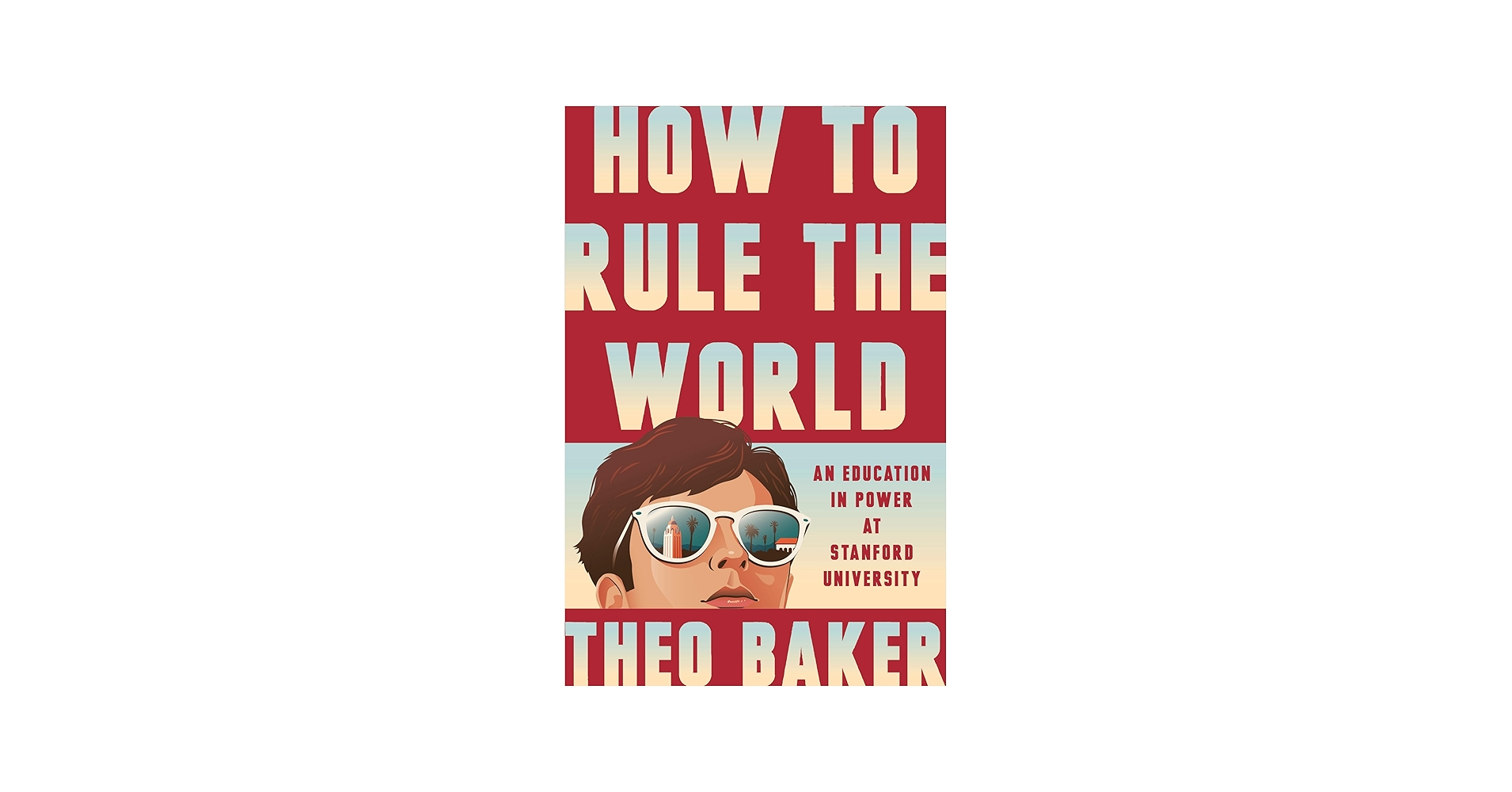
Theo Baker is set to graduate from Stanford University with a book deal and a George Polk Award, following investigative reporting that now forms the basis of his upcoming book, How to Rule the World: An Education in Power at Stanford University.
Book Focus And Early Reception
An excerpt published in The Atlantic outlines Baker’s portrayal of an internal ecosystem at Stanford shaped by venture capital, early-stage funding, and tightly connected networks. The reporting draws on interviews with hundreds of individuals to describe what one student calls an invite-only “Stanford inside Stanford,” where investors engage with students early and financial backing can precede fully formed ideas.
The book examines how access to capital and mentorship intersects with student life, with some accounts describing blurred lines between guidance and influence.
Startup Culture And Institutional Dynamics
The reporting highlights how expectations around entrepreneurship have shifted. Students increasingly arrive anticipating startup creation, fundraising, and financial success as standard outcomes. Steve Blank described the university as “an incubator with dorms,” reflecting the integration of startup culture into academic life.
Accounts in the excerpt describe venture capital engagement with students at early stages, including funding offers tied to potential rather than established concepts.
Student Pathways And Personal Tradeoffs
The narrative includes examples of students leaving university to pursue startups, with institutional acceptance of such decisions. One case describes a student departing early to build a company that later raised significant funding, while facing constraints on personal time and relationships.
The reporting raises questions about the personal costs associated with early entry into startup environments, including reduced opportunities for traditional life milestones.
Perspectives On Success And Outcomes
Baker’s work references data suggesting that most startup founders do not achieve large-scale success. Steve Blank noted that while many founders view themselves as visionaries, outcomes do not align with those expectations in most cases.
The excerpt points to uncertainty around long-term trajectories for individuals whose ventures do not succeed, particularly as career paths diverge from conventional routes.
Investor Culture And Signal Challenges
Sam Altman is cited describing the venture capital social circuit as an “anti-signal,” suggesting that visible participation in investor networks may not correlate with underlying technical or entrepreneurial capability. The distinction between performance and execution is presented as increasingly difficult to assess within the system.
Broader Cultural Context And Interpretation
The discussion around Baker’s book includes comparisons to The Social Network, which depicted the rise of Mark Zuckerberg and has been interpreted both as critique and as inspiration. The comparison raises questions about how critical portrayals of institutions may influence perceptions and behavior.
Baker’s book has already been optioned for a film adaptation, positioning it within ongoing discourse about the relationship between higher education, venture capital, and influence networks.
Featured image credits: Amazon.com
For more stories like it, click the +Follow button at the top of this page to follow us.