

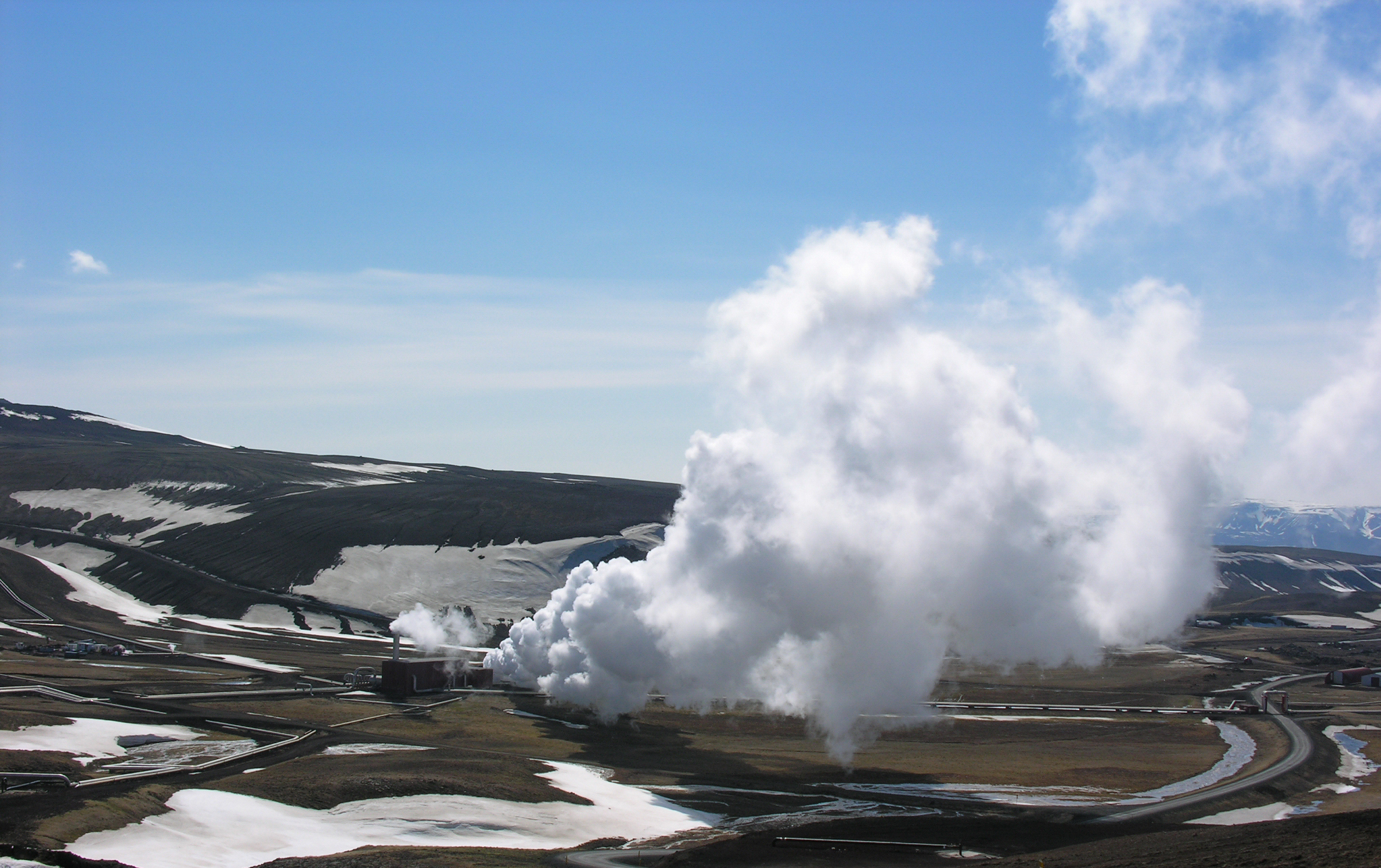
Global spending on geothermal energy is projected to grow by about 20% a year through 2030, as governments and companies increase investment in the sector to secure clean and reliable baseload power, according to analysis from Rystad Energy.
Investment Growth and Market Expansion
Rystad Energy said geothermal funding is expanding beyond its traditional markets as policy targets for decarbonisation and energy security drive broader adoption. The consultancy said interest is rising across multiple regions as geothermal offers stable power output compared with intermittent renewable sources.
The firm added that the overall cost structure of geothermal developments remains broadly consistent across regions. Slightly more than half of total project spending is allocated to surface facilities. Around 47% of expenditures are directed to subsurface work, including drilling and reservoir development, while approximately 2% is spent on pre-final investment decision, or pre-FID, activities.
While pre-FID accounts for the smallest share of total spending, Rystad said it continues to represent a meaningful portion of project risk due to uncertainties at the early development stage.
Regional Investment Priorities
Rystad said regional priorities for geothermal development vary by application. In Europe, most investment is concentrated on heating uses, particularly district heating systems that support efforts to decarbonise building heat.
In Asia, and especially in Indonesia, along with North America, geothermal spending is primarily directed at electricity generation to meet baseload power demand. In the United States, Rystad linked recent growth to the development of enhanced geothermal systems and increasing electricity needs from data centre operators.
Cooling Applications and Pilot Projects
Cooling is beginning to emerge as an additional use case for geothermal energy. Rystad pointed to early-stage pilot projects, including the UAE’s G2COOL geothermal cooling project that is being developed for data centre applications.
Cost Comparison by Application
On a dollars-per-watt basis, Rystad estimates that district heating projects cost roughly US$3 per watt. Power generation projects are estimated at about US$6 per watt. The higher cost for electricity production reflects the need for turbines and more complex surface equipment.
Featured image credits: Wikimedia Commons
For more stories like it, click the +Follow button at the top of this page to follow us.