

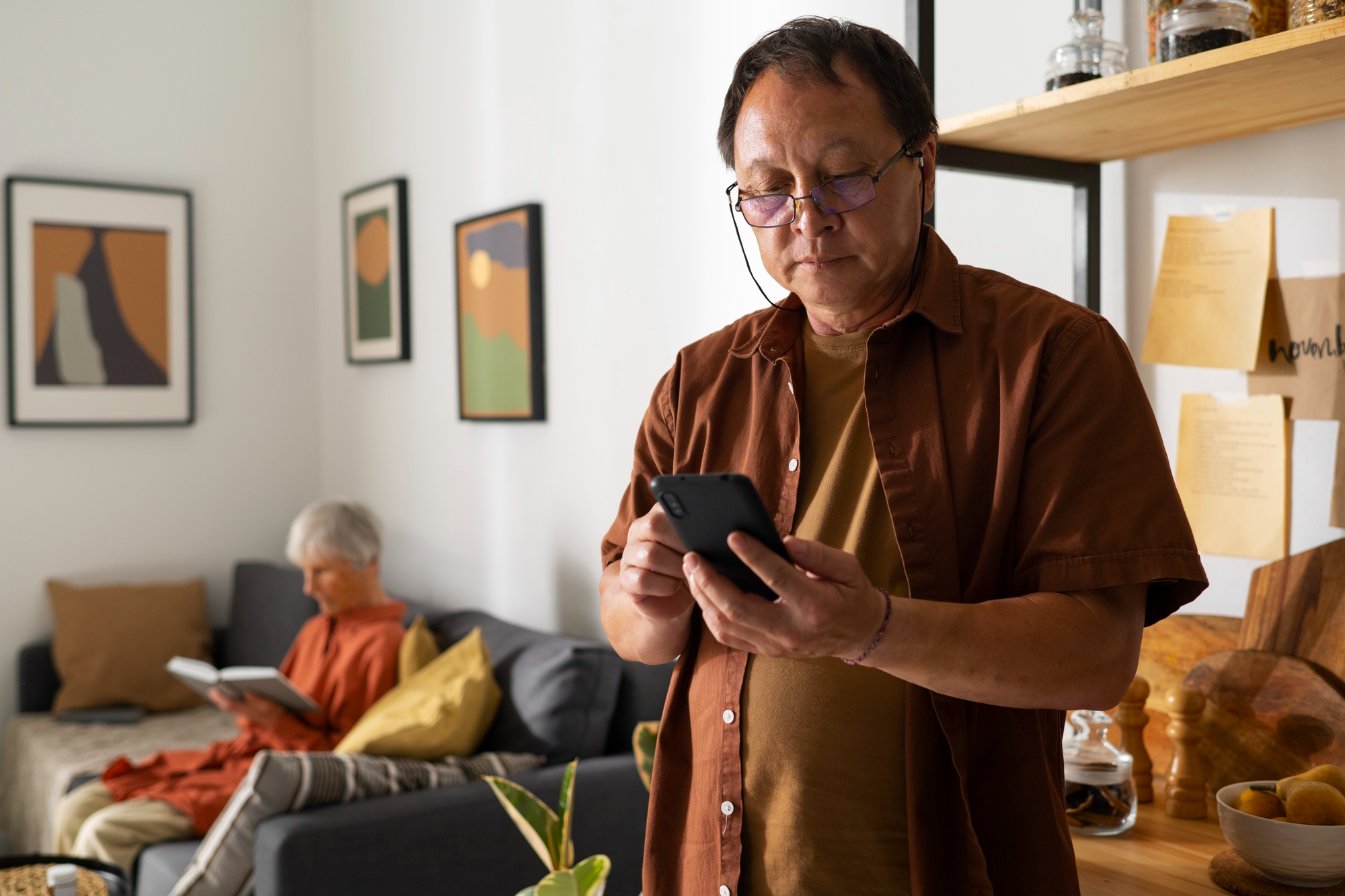
Japan is facing a rapidly deepening dementia challenge as thousands of older people go missing each year, care costs rise sharply, and a shrinking workforce limits available human support, prompting the government and private sector to adopt a wider range of technologies aimed at monitoring, early detection, and daily assistance.
In 2024, more than 18,000 people living with dementia left their homes and were reported missing across Japan. Almost 500 of them were later found dead. Police said such cases have doubled since 2012. People aged 65 and above now account for nearly 30% of the country’s population, the second-highest share globally after Monaco, according to World Bank data.
Japan’s government has identified dementia as a priority policy issue. The Ministry of Health estimates dementia-related health and social care costs will reach 14 trillion yen ($90bn; £67bn) by 2030, up from nine trillion yen in 2025. The situation is compounded by a shrinking domestic workforce and tight limits on foreign carers.
GPS Tracking and Community Alert Systems
In its latest care strategy, the government has signalled a stronger shift toward the use of technology to reduce pressure on families and public services. Across the country, GPS-based monitoring systems are being adopted to track individuals who may wander from home.
Some local authorities now provide wearable GPS tags that send alerts to authorities as soon as a person leaves a designated safe zone. In certain towns, convenience-store workers also receive real-time notifications, creating a local safety network that can help locate missing individuals within hours.
AI for Early Detection of Cognitive Decline
Other technologies are focused on earlier detection of dementia. Fujitsu’s aiGait system uses artificial intelligence to analyse posture and walking patterns to identify early signs such as shuffling, slower turning, or difficulty standing. The system generates skeletal motion outlines that clinicians can review during routine check-ups.
“Early detection of age-related diseases is key,” said Hidenori Fujiwara, a spokesperson for Fujitsu. “If doctors can use motion-capture data, they can intervene earlier and help people remain active for longer.”
Humanoid Robots for Physical Care Tasks
Researchers at Waseda University are developing AIREC, a 150-kilogram humanoid robot designed to serve as a future caregiver. The robot can assist with tasks such as putting on socks, scrambling eggs, and folding laundry. Scientists hope that future versions will be capable of changing adult nappies and preventing bedsores.
Similar robotic systems are already in use in care facilities, where they play music for residents, guide them through light stretching exercises, and monitor patients overnight using sensors placed beneath mattresses. These systems are used to track sleep and physical condition and to reduce the need for frequent overnight staff rounds.
Assistant Professor Tamon Miyake of Waseda University said the technological threshold for safe and precise human interaction remains several years away. He said the required combination of sensing and adaptability will take at least five years to reach practical reliability.
“It requires full-body sensing and adaptive understanding, how to adjust for each person and situation,” he said.
Social Companion Devices and Emotional Support
Emotional assistance is also being built into new devices. Sharp has developed Poketomo, a 12-centimetre-tall robot designed to be carried in a pocket or bag. It reminds users to take medication, provides real-time information on weather conditions, and offers conversation for people who live alone.
“We’re focusing on social issues and using new technology to help solve those problems,” said Miho Kagei, a development manager at Sharp.
While such devices provide support, researchers stress that technology is intended to assist rather than replace human caregivers. Miyake said robots are designed to supplement human care by taking over some routine tasks while supporting both patients and carers.
Community Programs Alongside Technology
Non-technological community programmes continue to play a role alongside these tools. At the Restaurant of Mistaken Orders in Sengawa, Tokyo, people living with dementia work as servers. The café was founded by Akiko Kanna, who was inspired by her father’s experience with the condition and wanted to create a place where people could remain engaged.
One of the servers, Toshio Morita, uses flowers to help remember which table placed each order. Despite cognitive decline, Morita continues to work at the café. His wife has said the activity provides both personal engagement for him and respite for her.
Morita said he enjoys meeting customers at the café. “Everyone’s different, that’s what makes it fun,” he said.
Featured image credits: Freepik
For more stories like it, click the +Follow button at the top of this page to follow us.