

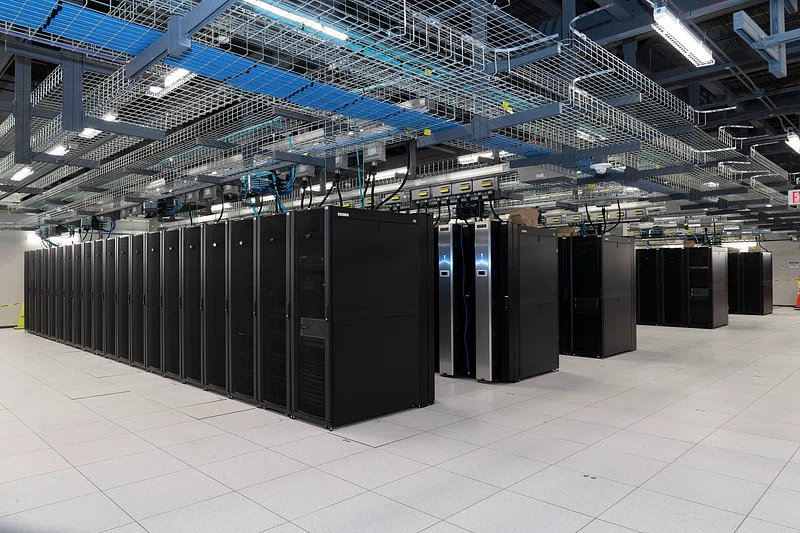
As investment pours into data centers, more companies are building businesses that support AI infrastructure without selling servers or training models, and MayimFlow is positioning itself in that category by focusing on early detection of water leaks that can cause costly downtime.
MayimFlow was named the Built World stage winner at this year’s TechCrunch Disrupt. The startup concentrates on preventing damaging water leaks inside data centers, an issue its founder says is often handled only after failures occur.
Water Risk Inside Data Centers
Data centers consume large volumes of water, and even minor leaks can lead to significant operational disruptions. Founder John Khazraee told TechCrunch that many facilities rely on reactive approaches, discovering leaks only after damage has already been done. According to Khazraee, this can result in server shutdowns, service interruptions, and losses that reach into the millions of dollars.
Khazraee said his perspective comes from experience. He spent more than 15 years building infrastructure at IBM, Oracle, and Microsoft, where he saw how water-related incidents were handled after the fact rather than anticipated.
Technology And Early Detection
MayimFlow uses a combination of IoT sensors and edge-deployed machine learning models designed to detect early signs of leaks. Khazraee said the system aims to provide operators with 24 to 48 hours of advance warning before repairs are required.
He said the company has collected extensive sample data from industrial water systems, which allows its models to identify patterns associated with impending failures. MayimFlow can deploy its own sensors or integrate its machine learning models into existing monitoring hardware already used by customers.
Team Experience And Operational Focus
Khazraee assembled a small team with experience in data centers, water systems, and connected infrastructure. Chief strategy officer Jim Wong has spent decades working with data centers, while chief technology officer Ray Lok has a background in water management and IoT systems.
Khazraee said the company’s emphasis on efficiency is partly personal. He described growing up in a household where conserving resources was routine and said that mindset followed him into engineering work and early jobs, including work at a facility that converted used cooking oil into biodiesel.
Expansion Beyond Data Centers
While data centers are MayimFlow’s initial focus, Khazraee said the technology could apply to other environments where water leaks create risk or inefficiency. He named commercial buildings, hospitals, manufacturing facilities, and utilities as potential markets.
Khazraee said he has declined roles at large technology companies over the past two years to continue building MayimFlow, citing his belief in the scale of the opportunity and the importance of water management.
Featured image credits: Wikimedia Commons
For more stories like it, click the +Follow button at the top of this page to follow us.