

Scale And Tactics Of Food Crime
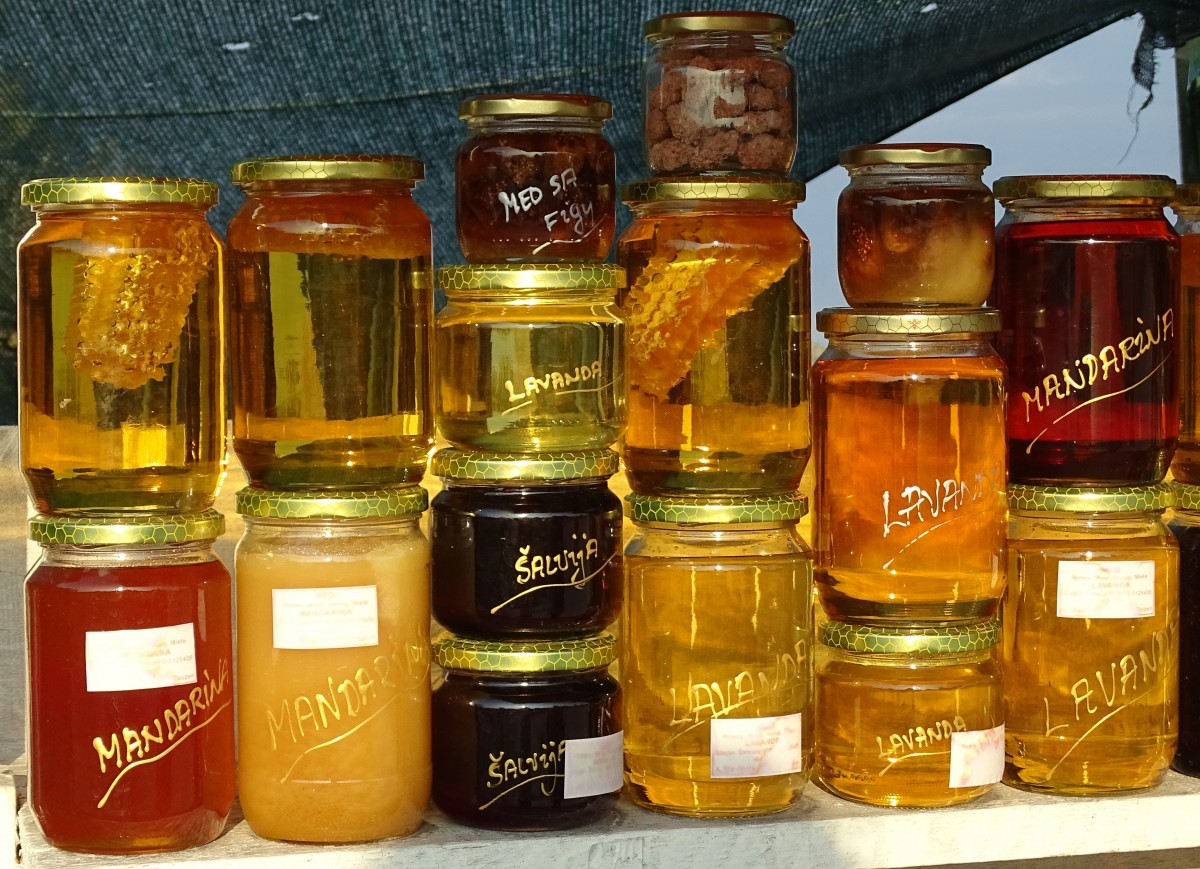
Food crime often goes unreported, which makes its scale hard to measure, yet one 2025 estimate puts the cost to the global economy at about £81bn, or $110bn, a year. The activity can involve diluting or substituting ingredients, altering documents, or using unapproved processes. Fraudsters tend to target widely consumed foods such as dairy and higher-value products such as olive oil. Along with alcohol, seafood, and edible oils, honey is among the foods most often faked. Plant-based syrups, including glucose syrup derived from sugar cane, can cost about half as much as genuine honey or less.
Why Honey Is Hard To Verify
Dr Juraj Majtán, who keeps five beehives and leads a lab studying bees and bee products at the Institute of Molecular Biology at the Slovak Academy of Sciences, said honey’s biological complexity makes verification difficult. Honey contains hundreds of compounds and comes in many types and from many sources. That diversity makes it challenging to determine whether honey in a jar comes from bees in a specific place or has been mixed with syrups derived from rice, wheat, corn, or sugar beets. There is also no internationally agreed definition of honey.
While fake honey can be runnier or weaker in taste, more sophisticated versions can look, smell, and taste like the real product. In some cases, inauthentic honey can pass chemical analysis because sugar levels are similar. Existing tests include methods that compare chemical bonds with reference samples and isotope analysis to infer origin. Majtán said there is no single method that can conclusively label a sample as fake and said new approaches are needed.
Health Risks And Past Incidents
The main impact of fake honey is on beekeepers’ livelihoods, but food crime can also affect human health through allergens or toxic chemicals. In 2008, melamine-tainted infant formula in China was linked to kidney damage in babies and at least six deaths. Dr Selvarani Elahi, the United Kingdom’s deputy government chemist at testing firm LGC, said two people involved were executed and said the episode showed that the risk does not deter fraud.
Elahi said she remains alert to similar risks across other foods. LGC is advising the UK government and working on DNA methods to identify foods that contain the four insect species permitted for human consumption. She said fraudsters could try to pass off a different insect species as one of those four, which could create a risk for people with shellfish allergies because some insects share similar allergenic proteins.
Spices, Dyes, And Surveillance Gaps
Tainted spices remain a recurring problem. Industrial dyes are sometimes added to paprika, and lead chromate has been mixed into cinnamon to intensify color or increase bulk. In the United States in 2023, hundreds of children were poisoned by lead from imported cinnamon that ended up in applesauce. Elahi said the tools to detect such dyes are already sensitive at low levels, and that the main problem is inconsistent surveillance by regulators with limited resources.
Dr Karen Everstine, technical director of food safety solutions at FoodChain ID, said the cinnamon cases show the value of both regulators and a public health system that can detect anomalies. FoodChain ID often sees fraud that involves swapping one species for another. In 2025, its data showed a slight rise in labeling fraud, such as olive oil marked as extra virgin when it is not, or non-organic crops labeled as organic. Looking ahead to 2026, Everstine said she is especially concerned about superfoods and supplement-like products because false claims can spread quickly on social media.
Limits Of Traceability And Testing
High-end traceability tools such as QR codes and microchips can fail if shoppers do not check them, and counterfeit labels can copy codes. Cost also limits adoption. Elahi said expectations that blockchain would fix the problem have not been met. She said full supply-chain tracking might work for a product such as bananas, but not for a lasagne made from dozens of ingredients sourced from many places. Interpreting test results for complex products also remains difficult.
Recent methods include thermal imaging, laser-based light analysis, and DNA profiling. More testing raises costs, and lab work may be too slow for border officials or investigators in the field. Speed matters to stop tainted foods, but rapid tools may not be sensitive enough. New portable options include X-ray fluorescence devices for turmeric and handheld DNA kits for olive oil. Machine learning is increasingly used to sort large datasets and create early warnings about fraud or safety risks.
Practical Advice And Price Signals
Despite advanced tools, lower-tech steps still play a role. Majtán said buying from local beekeepers helps consumers know what they are purchasing and who produces it. Everstine said unusually low prices should raise questions, citing examples such as a $3 bottle of olive oil or honey in the United States.
Featured image credits: pxhere
For more stories like it, click the +Follow button at the top of this page to follow us.