

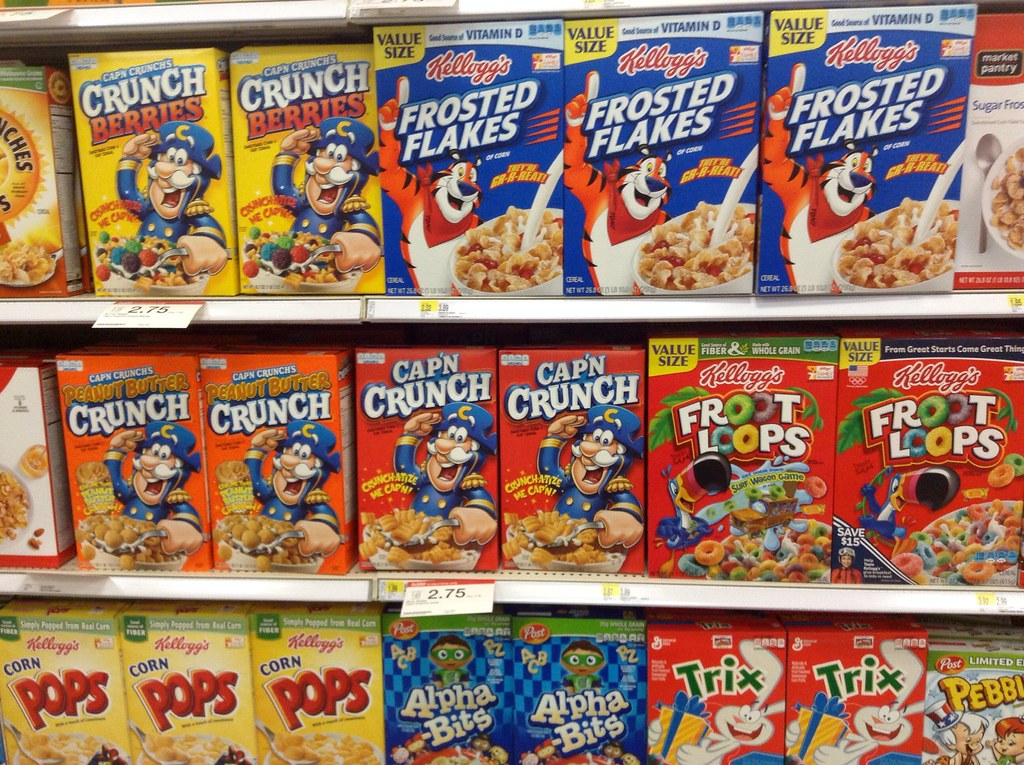
Target said it will stop selling breakfast cereals made with synthetic colours by the end of May, becoming the latest retailer to respond to criticism of ultra-processed foods and growing political pressure over artificial ingredients.
The announcement on Friday follows commitments from several food manufacturers to gradually remove artificial dyes as the Trump administration intensifies scrutiny of processed food ingredients.
Retailers Respond To Health Pressure
Artificial dyes have become a central focus in a wider crackdown on processed foods led by US Health Secretary Robert F Kennedy Jr and his Make America Healthy Again movement.
At the same time, changing consumer habits have influenced product decisions. Shoppers increasingly examine ingredient labels on packaged foods, prompting retailers and manufacturers to reassess their offerings.
“We know consumers are increasingly prioritizing healthier lifestyles, and we’re moving quickly to evolve our offerings to meet their needs,” Cara Sylvester, Target’s chief merchandising officer, said in a statement.
Industry-Wide Ingredient Changes
Other major retailers have announced similar plans. Walmart said last year it would stop using synthetic dyes and dozens of other ingredients in its private-label food products by January 2027.
Food manufacturers have also outlined reformulation timelines. General Mills, Kraft Heinz and Conagra Brands have pledged to remove artificial dyes in the coming years.
Target’s deadline places it ahead of some competitors and certain manufacturers’ multi-year commitments. The retailer said cereals made without synthetic dyes already account for 85% of its cereal sales. The company declined to state whether brands would alter their formulas specifically to meet Target’s policy.
A spokesperson for General Mills, whose cereal portfolio includes Cheerios and Lucky Charms, said the company remains committed to removing certified synthetic colours from all US cereals by this summer.
The company has previously stated it plans to remove artificial dyes from its cereals by the end of 2027.
Federal Action And Broader Debate
Last April, Kennedy announced that the US would ban eight commonly used artificial food dyes.
The health secretary and his Make America Healthy Again movement have also called on companies to eliminate ingredients such as corn syrup, seed oils and artificial dyes, linking them to health concerns.
Last summer, Coca-Cola agreed to use real cane sugar in its drinks sold in the United States.
Concern about ultra-processed foods has drawn support from some left-leaning officials and the Trump administration, even as divisions remain over Kennedy’s other positions, including his views on vaccines.
In December, the city of San Francisco filed a lawsuit against ten major food manufacturers, accusing them of knowingly selling ultra-processed foods that have been associated with rising rates of serious diseases.
Featured image credits: Flickr
For more stories like it, click the +Follow button at the top of this page to follow us.