

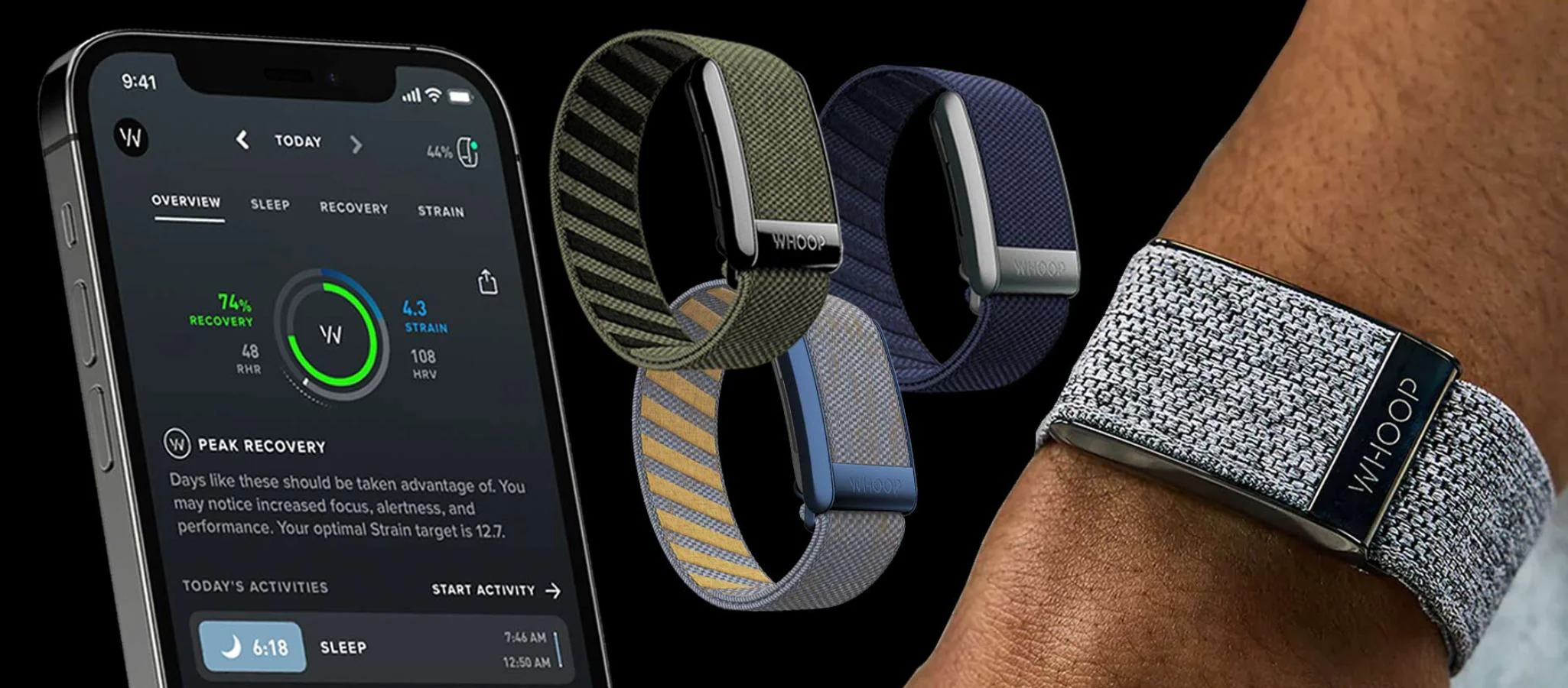
Whoop is shifting its positioning from a performance-focused fitness tracker used by elite athletes to a broader health monitoring platform, as it adds medical features, data integrations, and diagnostic tools aimed at everyday users.
Founded by Will Ahmed, the Boston-based company has built its brand over nearly a decade through adoption by high-profile athletes including LeBron James, Michael Phelps, Cristiano Ronaldo, Patrick Mahomes, and Rory McIlroy. The company now operates in more than 200 countries and reported revenue growth exceeding 100% last year, while reaching cash-flow positive status.
Subscription Model And Device Design
Whoop’s wearable hardware tracks sleep, recovery, heart rate variability, and other biomarkers. Its subscription model bundles hardware and software into an annual fee ranging from $200 to $360, with no upfront device purchase required. According to Ahmed, 83% of monthly active users open the app daily, a level he said is second only to WhatsApp.
The device itself has no screen, notifications, or step counter, a design choice intended to avoid competition with smartwatches. Ahmed said adding a screen would place the product directly against watches, limiting adoption among users who typically wear only one. Instead, the sensor can be worn discreetly on the wrist, bicep, or integrated into clothing such as sports bras or shorts.
Whoop has also expanded into apparel, with its clothing line, launched in 2021, growing 70% last year.
Shift Toward Medical And Preventive Health
Ahmed is positioning Whoop as a continuous health monitor capable of identifying serious conditions. The company has introduced medically cleared features such as ECG monitoring and detection of atrial fibrillation, which can indicate stroke risk. It also launched blood pressure “insights,” which Ahmed said makes Whoop the first wearable to provide such functionality.
That feature drew scrutiny from the FDA, which issued a warning letter stating it could be interpreted as medical diagnosis rather than general wellness monitoring. Whoop responded by continuing development and disputing the regulator’s position.
A partnership with Quest Diagnostics allows users to take blood tests at more than 2,000 U.S. locations and upload biomarker data into the app. Clinicians then review the results alongside Whoop-generated data. The company has also introduced a Health Span feature that estimates biological age, which Ahmed said has become its most widely used feature since launching in May last year.
Competition And Market Position
Whoop faces competition from Oura, which produces a smart ring with a different pricing structure. Oura users typically pay about $350 upfront for the device and around $70 annually for software access. Oura’s chief product officer Dorothy Kilroy said retention rates at 12 months are in the high 80% range.
Both companies report that women represent their fastest-growing user segment. They also introduced blood-testing partnerships within a similar timeframe, reflecting parallel expansion into health data services.
Whoop’s user base remains skewed toward male customers, though Ahmed said its business is now roughly evenly split between U.S. and international markets. The company ships to 60 countries and employs around 750 people, with plans to hire an additional 600.
Athlete Adoption And Brand Positioning
Professional athletes have continued to adopt the device without formal incentives. At the Australian Open, players including Carlos Alcaraz were asked to remove their Whoop bands during matches despite approval from the International Tennis Federation. Some resisted the request, continuing to wear the device under wristbands.
Ahmed said the company avoids offering equity to athletes in exchange for endorsements, instead relying on organic adoption. Whoop maintains partnerships with organisations such as Ferrari, the PGA Tour, and the UCI to increase visibility.
Future Growth And Industry Outlook
Oura is reportedly considering an initial public offering, which could set benchmarks for valuation and performance within the wearable sector. Ahmed said Whoop remains focused on product development and business growth, adding that the company expects to reach public market readiness independently of competitors.
Ahmed began developing the concept for Whoop in 2011 while studying at Harvard, aiming to address the lack of reliable tools to measure overtraining. He described entrepreneurship as demanding sustained focus on solving a specific problem, noting the challenges involved in building a company from its early stages.
Featured image credits: American Stalls
For more stories like it, click the +Follow button at the top of this page to follow us.