

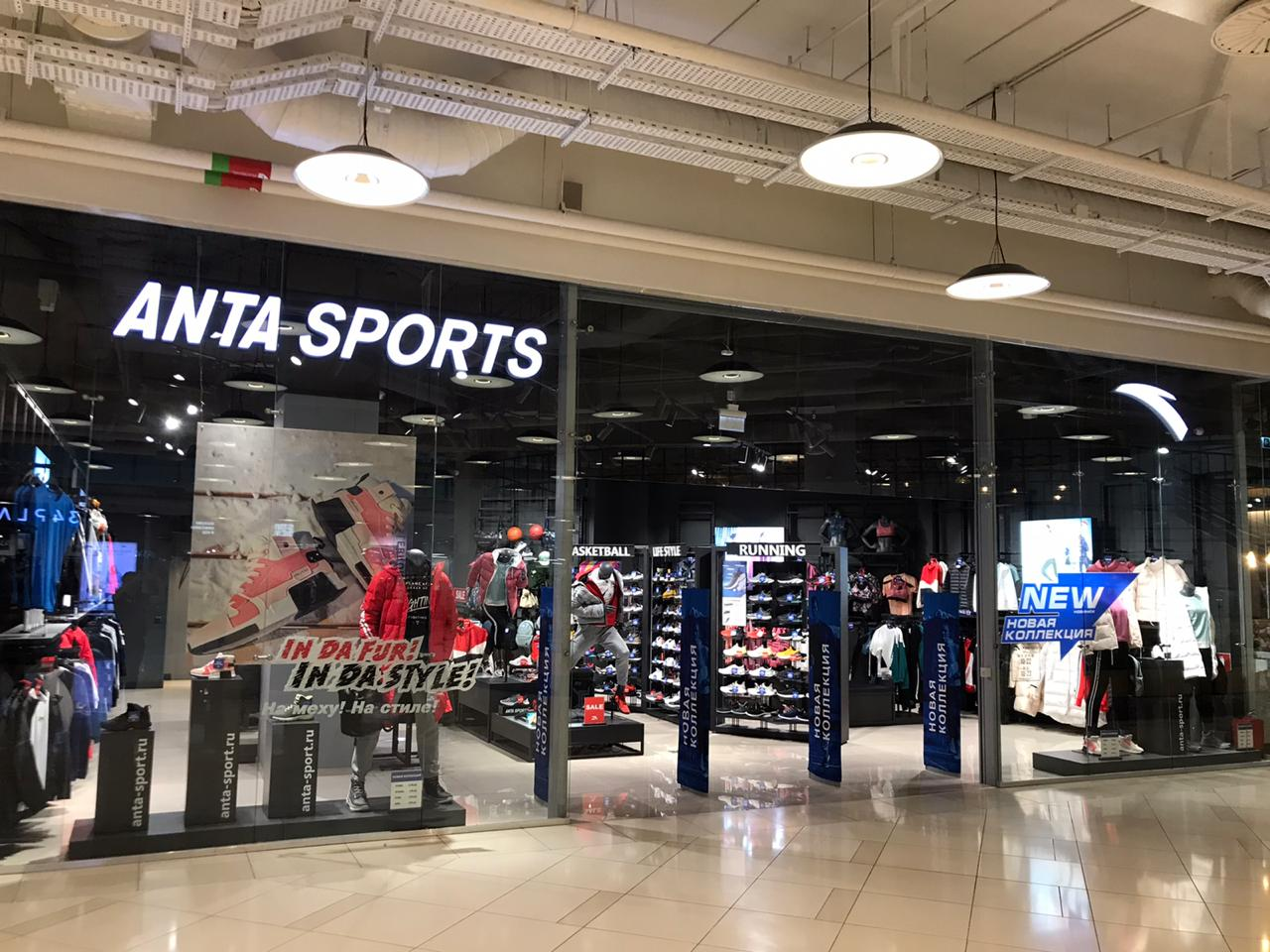
Anta is accelerating its international expansion, building on decades of manufacturing expertise and acquisitions as it seeks to compete with global leaders such as Nike and Adidas.
Origins In China’s Manufacturing Boom
The company was founded by Ding Shizhong, who began selling shoes in the late 1980s before establishing a manufacturing business in 1991 in Jinjiang, Fujian province. The region developed into a major footwear hub, with clusters of factories producing shoes for international brands.
By 2005, Fujian accounted for nearly one-fifth of global shoe production, supported by integrated supply chains that combined materials, manufacturing, and logistics. This environment allowed companies like Anta to scale production and refine operations.
Transition From Manufacturer To Brand
Anta initially produced footwear for other companies before building its own brand presence in China through retail expansion and sports sponsorships. It listed on the Hong Kong Stock Exchange in 2007, raising approximately HKD3.5 billion.
Analysts note that Chinese manufacturers increasingly moved up the value chain, shifting from contract production to brand development. Similar paths were followed by companies such as Xiaomi, DJI, and BYD.
Multi Brand Strategy And Acquisitions
Anta has expanded through acquisitions, adopting a multi-brand approach to reach global markets. It acquired rights to Fila in China in 2009 and later purchased a controlling stake in Amer Sports in 2019, gaining ownership of brands including Arc’teryx and Salomon.
The company also owns Wilson and recently acquired a 29% stake in Puma, aiming to strengthen its position in international markets.
Retail Footprint And Global Expansion
Anta operates more than 12,000 stores in China and over 460 internationally, with plans to expand further, including a target of 1,000 stores in Southeast Asia within three years. In February, it opened its first U.S. flagship store in Beverly Hills, Los Angeles.
The company’s global strategy includes leveraging established Western brands to enter markets where perceptions of Chinese products may present challenges.
Competition And Market Position
Nike remains the largest player in sports footwear globally, with around 1,000 stores worldwide. Both Nike and Adidas face pressures including tariffs, changing consumer demand, and slower growth in China, creating opportunities for competitors.
Anta has also invested in athlete endorsements, including partnerships with Klay Thompson and Kyrie Irving, though large-scale global branding deals comparable to Nike’s historical campaigns have yet to emerge.
Geopolitical And Perception Challenges
The company’s expansion occurs amid geopolitical tensions between China and Western markets, which can affect brand perception. Athlete partnerships, such as with Eileen Gu, have also drawn public attention due to cross-national affiliations.
Analysts note that companies operating across regions must navigate regulatory, political, and consumer perception challenges.
Industry Trends And Manufacturing Evolution
China continues to invest in manufacturing efficiency, including automation and robotics, which may enhance production speed and reduce costs. These developments support companies like Anta as they scale globally.
Positioning In Global Market
Anta has stated it aims to compete internationally while acknowledging established competition. The company’s strategy combines manufacturing scale, brand acquisitions, and retail expansion as it seeks to increase its presence in global sportswear markets.
Featured image credits: Wikimedia Commons
For more stories like it, click the +Follow button at the top of this page to follow us.