

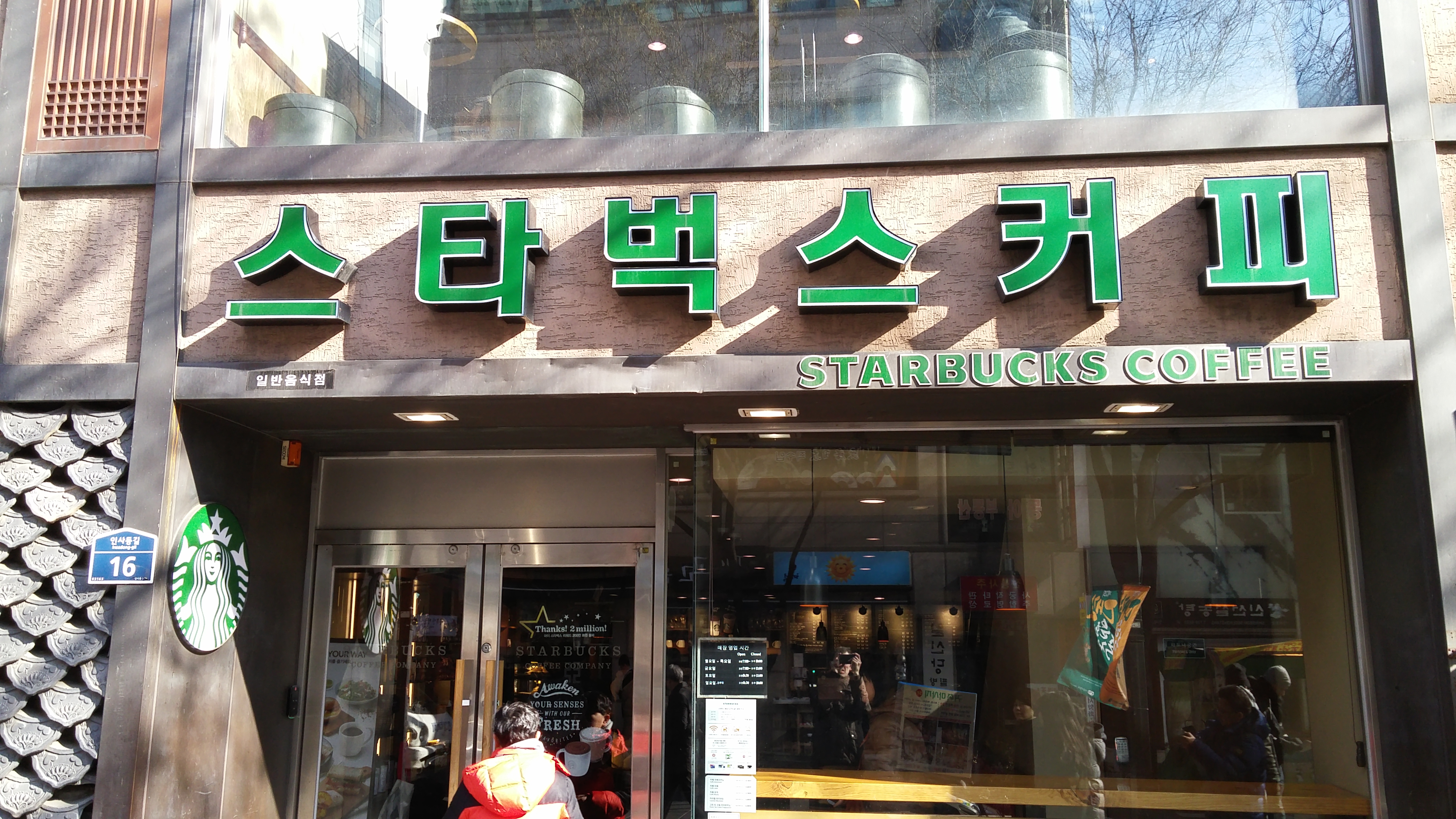
Shinsegae Group dismissed Starbucks Korea Chief Executive Officer Sohn Jeong-hyun following public backlash over a marketing campaign launched on the anniversary of the 1980 Gwangju Uprising. The promotional initiative, which utilized the English phrase “Tank Day,” drew sharp criticism from consumers and South Korean President Lee Jae Myung for incorporating slogans and motifs associated with historical state violence and military crackdowns. Shinsegae, the domestic retail conglomerate holding a 67.5% controlling stake in the coffee chain through its subsidiary E-mart, terminated Sohn hours after the campaign went live, subsequently withdrawing all related marketing materials and suspending the scheduled event.
Controversial Imagery And Historic Slogans
The commercial campaign, originally designed to run from 15 May to 26 May as part of a broader tumbler product rollout, introduced the “Tank Series” drink tumblers to promote high-capacity beverage containers. The promotional materials paired the date “5/18” with the “Tank Day” title, a combination that South Korean citizens and civic organizations interpreted as a reference to the armored military vehicles deployed by the Chun Doo-hwan dictatorship to suppress pro-democracy demonstrators in Gwangju on 18 May 1980. The marketing copy also featured the Korean phrase “tak on the table!” to simulate the sound of an object striking a desk. This specific phrasing directly mirrored an infamous 1987 police statement regarding the torture-induced death of student activist Park Jong-chul, wherein authorities falsely claimed the student collapsed after an interrogator merely slapped a table with a “tak” sound.
Political Condemnation And Corporate Apologies
President Lee Jae Myung publicly condemned the marketing event on the social media platform X, stating that the campaign insulted the victims and the democratic history of the country. Lee characterized the promotion as inhumane behavior that directly contradicted South Korea’s constitutional values regarding human rights. In response to the growing public anger and initial social media calls for a consumer boycott against Starbucks Korea and Shinsegae, group chairman Chung Yong-jin issued a formal apology. Chung described the campaign as an inexcusable error that minimized the sacrifices of democratic activists, pledging a comprehensive internal review of all marketing approval protocols across corporate affiliates.
Corporate Governance And Ownership Structure
The global headquarters of Starbucks Coffee Company in the United States released an independent statement acknowledging the emotional pain caused by the incident, clarifying that the historical references were entirely unintentional. The American parent corporation sold its remaining financial stakes in the South Korean operation in July 2021 and retains no operational control over the local business entity. The joint corporate structure governing Starbucks Korea currently consists of the controlling 67.5% stake managed by E-mart alongside a remaining minority share held entirely by Singapore’s sovereign wealth fund, GIC.
Featured image credits: Wikimedia Commons
For more stories like it, click the +Follow button at the top of this page to follow us.